Autograph (American band)
American rock band known for 'Turn Up the Radio'.

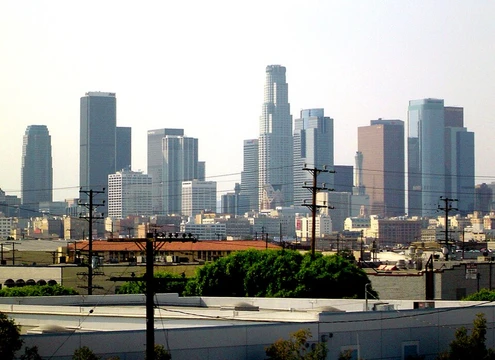
Autograph, an American rock band, came together in Los Angeles, California, in 1983. They are most recognized for their 1984 single "Turn Up the Radio," which became their defining hit and helped their first album sell over half a million copies.
The group started playing and recording together, eventually solidifying as a band. They picked the name Autograph during a drive from Los Angeles to Jacksonville, Florida, in January 1984, while heading to open for Van Halen. Their early demos, recorded in late 1983, were only shared with a few close friends. One listener was producer Andy Johns, whom Steve Plunkett had met while working on Silver Condor's album. Johns offered free studio time at the Record Plant to re-record the demos. Drummer Keni Richards then played the demo for David Lee Roth, who invited the band to open for Van Halen's 1984 tour later in the year (spring/summer 1984). Autograph played 48 shows on that tour—an unusual feat for a band without a record deal. Their growing popularity led to a contract with RCA Records after a performance at Madison Square Garden in late 1984. On December 28, 1984, they opened for Christian metal band Stryper at the Santa Monica Civic Auditorium, just before "Turn Up the Radio" started climbing the charts.
Their debut album, *Sign In Please*, was finished and released in October 1984, but it didn't appear on any charts until January 1985. "Turn Up the Radio" was one of the last songs recorded for the album, and the band initially felt indifferent about it. Nevertheless, it became a top-30 hit, pushing album sales past gold status. The song appeared on an episode of *Miami Vice* and was licensed to several films, boosting its popularity. Guitarist Steve Lynch's two-handed tapping technique on the track earned him *Guitar Player* magazine's "Guitar Solo of the Year" award in 1985.
The follow-up single, "Send Her to Me," did not match the success of the first hit. Other songs from *Sign In Please*—"My Girlfriend's Boyfriend Isn't Me," "Deep End," and "Take No Prisoners" (which later appeared on their second album)—were featured in the 1985 film *Secret Admirer*. The band also recorded "You Can't Hide From the Beast Inside," which appeared in the 1985 films *Fright Night* and *A Nightmare on Elm Street 2: Freddy's Revenge*.
Their second album, *That's the Stuff*, was quickly recorded and released in fall 1985.
Quick Facts
- Origin
- Los Angeles, California, U.S.
- Genre
- Glam metal / hard rock
- Years Active
- 1983–1989 / 2002–2005 / 2013–2023
- Label
- RCA / Pavement / POINT / Rhino / Frontiers Records
- Past Members
- Steve Plunkett / Steve Lynch / Randy Rand / Keni Richards / Steven Isham / Eddie Cross / Simon Daniels / Marc Wieland / Jimi Bell / T. J. Helmerich / Matt Laug / Lance Morrison / Steve Unger
Facts from the source article.
Lore & Background
Autograph formed in Los Angeles in 1983. The band chose their name while driving from Los Angeles to Jacksonville, Florida, to open for Van Halen in January 1984. They recorded early demos in late 1983, which producer Andy Johns helped re-record at Record Plant Studios. Drummer Keni Richards played the demo for David Lee Roth, leading to an invitation to open for Van Halen on their 1984 tour later in the year (spring/summer 1984). The band played 48 shows as an unsigned act before signing with RCA Records after a performance at Madison Square Garden in late 1984.
Their debut album 'Sign In Please' was released in October 1984 but did not chart until January 1985. The album included 'Turn Up the Radio', which became a top-30 hit and sold over 500,000 copies. The song was featured in an episode of 'Miami Vice' and several films, including 'Grand Theft Auto: Vice City Stories'.
Reader's Guide
Autograph's significance lies primarily in their 1984 hit 'Turn Up the Radio', which remains their most enduring legacy. The song helped define the mid-1980s glam metal scene and received continued exposure through placements in films like 'Hot Tub Time Machine' and video games such as 'Grand Theft Auto: Vice City' and 'Guardians of the Galaxy'. Their debut album 'Sign In Please' achieved gold status, and the band's rise from unsigned openers for Van Halen to a major-label act exemplified the era's talent-driven opportunities. Though their later albums failed to replicate early success, Autograph's music persisted in popular culture through television, film, and compilation albums. The band's members pursued varied paths after the breakup, with Steve Plunkett becoming a prolific songwriter and producer, Steve Lynch teaching guitar and publishing instructional materials, and Randy Rand working in leather craftsmanship. The deaths of Keni Richards in 2017 and Randy Rand in 2022 marked the end of an era for the band.
Did You Know?
- The band played 48 shows opening for Van Halen while still unsigned.
- The song 'Turn Up the Radio' was featured in the video game 'Grand Theft Auto: Vice City'.
From a Road Trip to Madison Square Garden
Autograph's origins trace back to a small group of musicians in Los Angeles who began jamming and recording rough demos in late 1983, sharing the results only with a handful of close friends. The group picked their name on a long drive from Los Angeles to Jacksonville, Florida, in January 1984, en route to a Van Halen show. That opportunity arrived through a chain of personal connections: one of the few people who had heard the early tapes was renowned producer Andy Johns, whom guitarist Steve Plunkett had met while assisting on Silver Condor's second album. Johns generously offered the group free studio time at the Record Plant to polish their recordings under his supervision. Bassist Keni Richards then passed the improved demo to David Lee Roth, who extended the invitation to headline Van Halen's 1984 tour. Playing forty-eight shows as an unsigned act was a remarkable feat, and the exposure proved decisive. A performance at Madison Square Garden in late 1984 led directly to a recording contract with RCA Records, cementing the band's place in the mainstream rock scene almost overnight.
The Song They Almost Threw Away
Perhaps the most remarkable aspect of Autograph's signature track is how little the band initially valued it. 'Turn Up the Radio' was among the final songs laid down for their debut album, Sign In Please, and the members were openly unenthusiastic about the tune. Released in October 1984, the album did not crack any record charts until January 1985, and it was this very song that changed everything. The track climbed into the top thirty on the singles chart and propelled album sales past the five-hundred-thousand-copy gold threshold. Its reach extended well beyond radio: the song was featured in an episode of Miami Vice titled 'Little Prince' and licensed for numerous other film placements. Guitarist Lynch's performance on the track, distinguished by a striking two-handed fretboard-tapping technique, earned him the 'Guitar Solo of the Year' honor from Guitar Player magazine in 1985. The follow-up single, 'Send Her to Me,' could not replicate the initial explosion, yet the band's presence in the 1985 teen film Secret Admirer kept their name in public view through several additional tracks.
Three Albums, a Touring Circuit, and a Cinematic Footprint
Autograph's commercial peak was brief, but their creative output and touring schedule were remarkably dense. Their second album, That's the Stuff, arrived in the fall of 1985 and reached number ninety-two on the Billboard chart, with the single 'Blondes in Black Cars' finding modest success. The band supported acts like Mötley Crüe and Heart on the road and contributed 'Winning Is Everything' to the soundtrack of Youngblood. Their third and final RCA release, Loud and Clear, took considerably longer to produce and dropped in spring 1987. Its title-track video featured Ozzy Osbourne and Vince Neil in cameo roles, and the band made three appearances on MTV's Headbangers Ball. Beyond the studio, Autograph accumulated an impressive film and television résumé: tracks appeared in Fright Night, A Nightmare on Elm Street 2: Freddy's Revenge, River Ratt, and Like Father, Like Son, where the band briefly performed as themselves. Over their six-year run they shared stages with Kiss, Aerosmith, Ronnie James Dio, Bryan Adams, and Whitesnake, yet despite this extraordinary exposure, they never quite translated touring prestige into sustained chart dominance.
Dissolution and a Long Tail of Influence
By early 1988, Autograph had parted ways with RCA Records. Keyboardist Isham departed without a replacement, as the group wanted to pursue a heavier sonic direction, and Richards also exited the lineup. A new drummer, Eddie Cross, joined for a 1989 tour, and sporadic recording continued, but a proposed deal with Epic was ultimately turned down. The remaining members officially disbanded in December 1989, leaving behind three albums and a résumé of high-profile support slots. In the years that followed, their music refused to disappear. 'Turn Up the Radio' continued rotating on MTV's Headbangers Ball long after the band's end, and the track later resurfaced in the film Hot Tub Time Machine. Steve Plunkett transitioned into a prolific staff writer and producer for All Nations Music, with over one hundred seventy songs released across more than forty film scores, and production credits spanning Cyndi Lauper, Loretta Lynn, Graham Nash, and En Vogue. The band's catalog also found new life in Grand Theft Auto: Vice City and the Guardians of the Galaxy soundtrack, while compilation releases and ongoing international radio play kept their sound audible decades after the final show.
Frequently Asked Questions
Who is Autograph (American band)?
Autograph is an American rock band that formed in Los Angeles, California, in 1983. They are best known for their 1984 single "Turn Up the Radio," which became their signature track and propelled their debut album past 500,000 copies sold.
How did Autograph get their name?
The band chose the name Autograph during a January 1984 drive from Los Angeles to Jacksonville, Florida, while on their way to open a show for Van Halen. The name stuck and became the identity under which they recorded and performed.
When was Autograph active and when did they disband?
The group was active from their formation in 1983 until they disbanded in 1989. Their early demos from late 1983 were shared only with a small circle of friends before producer Andy Johns took notice and helped move them toward a professional recording.
What is Autograph's biggest hit and how did it perform?
Their 1984 single "Turn Up the Radio" is the track most associated with the band. It served as the lead single from their debut album and was a major factor in pushing that record past half a million units sold.
Why is Autograph considered important in 1980s rock?
Autograph represents a slice of the early-'80s LA rock scene, breaking through with a high-energy radio hit while still being a relatively new act. Their connection to the Van Halen tour circuit and their rapid commercial success on a first album made them a notable voice in that era of American rock.
More in Rock music groups from Los Angeles 1-21
Spotted an error? Know more?
Reader corrections go straight into our review queue. Suggest an edit · How this site is sourced