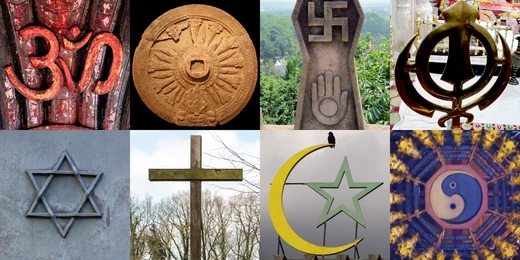
Burial
Burial is a method of disposing of a dead body.

Baptiste Pradier · CC BY-SA 4.0
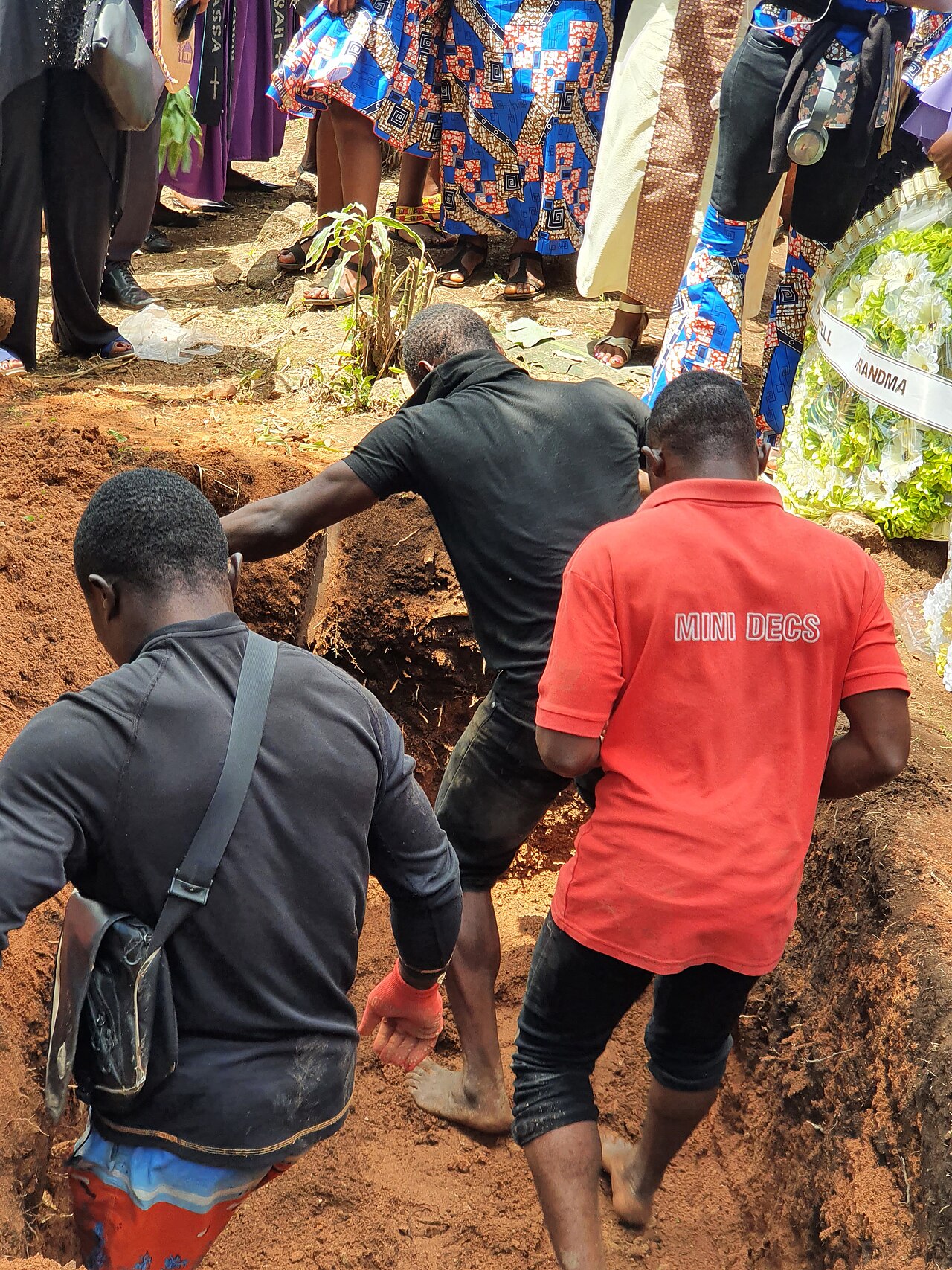
Burial, also called interment or inhumation, is a way of handling a dead body by placing it into the ground or inside a structure like a mausoleum, sometimes along with objects. This is typically done by digging a pit or trench, putting the deceased and any items in it, and then covering it over. A funeral is the ceremony that goes along with this final placement.
Evidence shows that some archaic and early modern humans buried their dead. The practice is often viewed as a sign of respect. It has also served practical purposes: preventing the smell of decay, giving family members a sense of closure and sparing them from watching their loved one decompose, and, in many cultures, being seen as necessary for the deceased to reach an afterlife or to return something to the cycle of life.
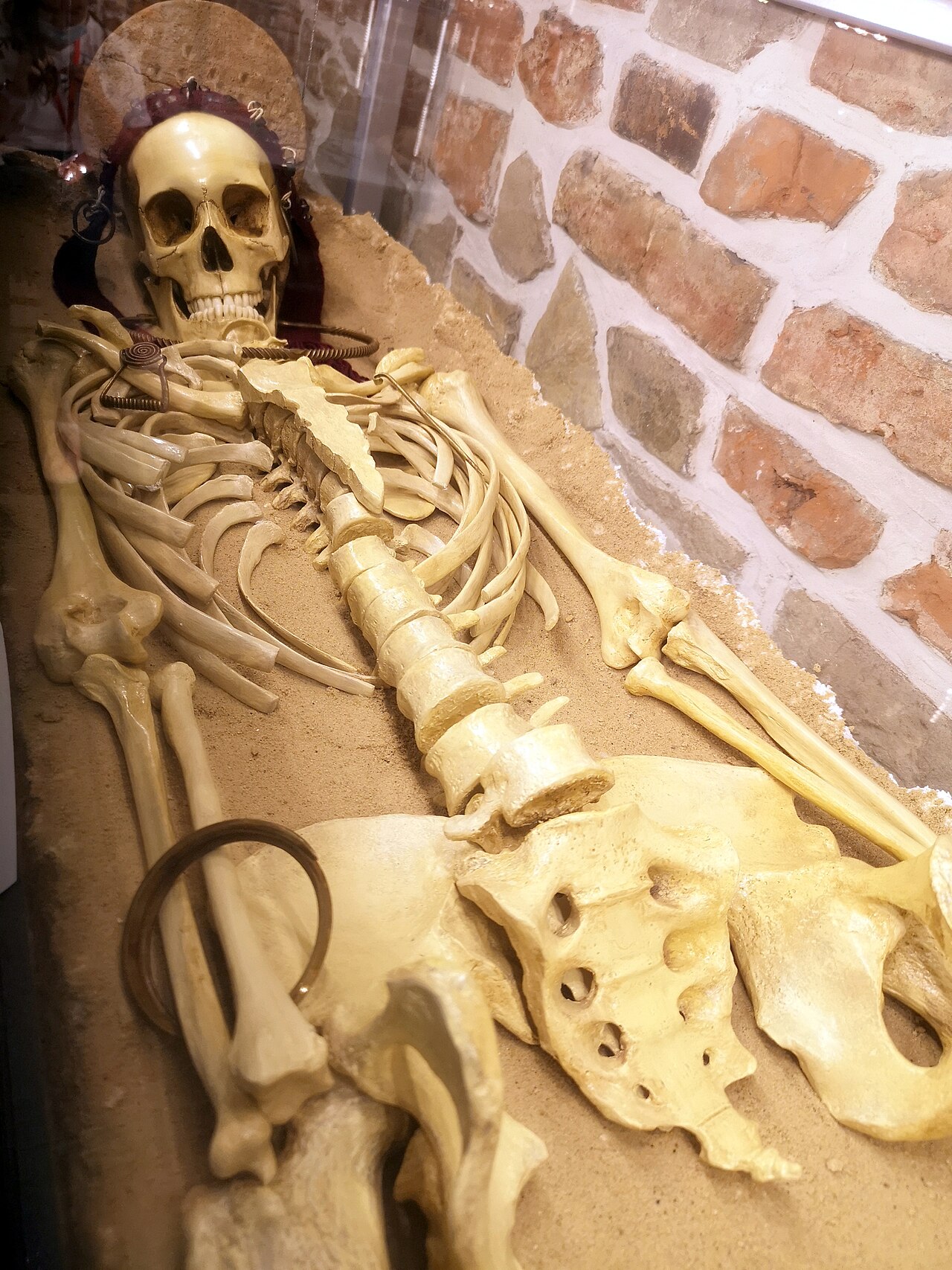
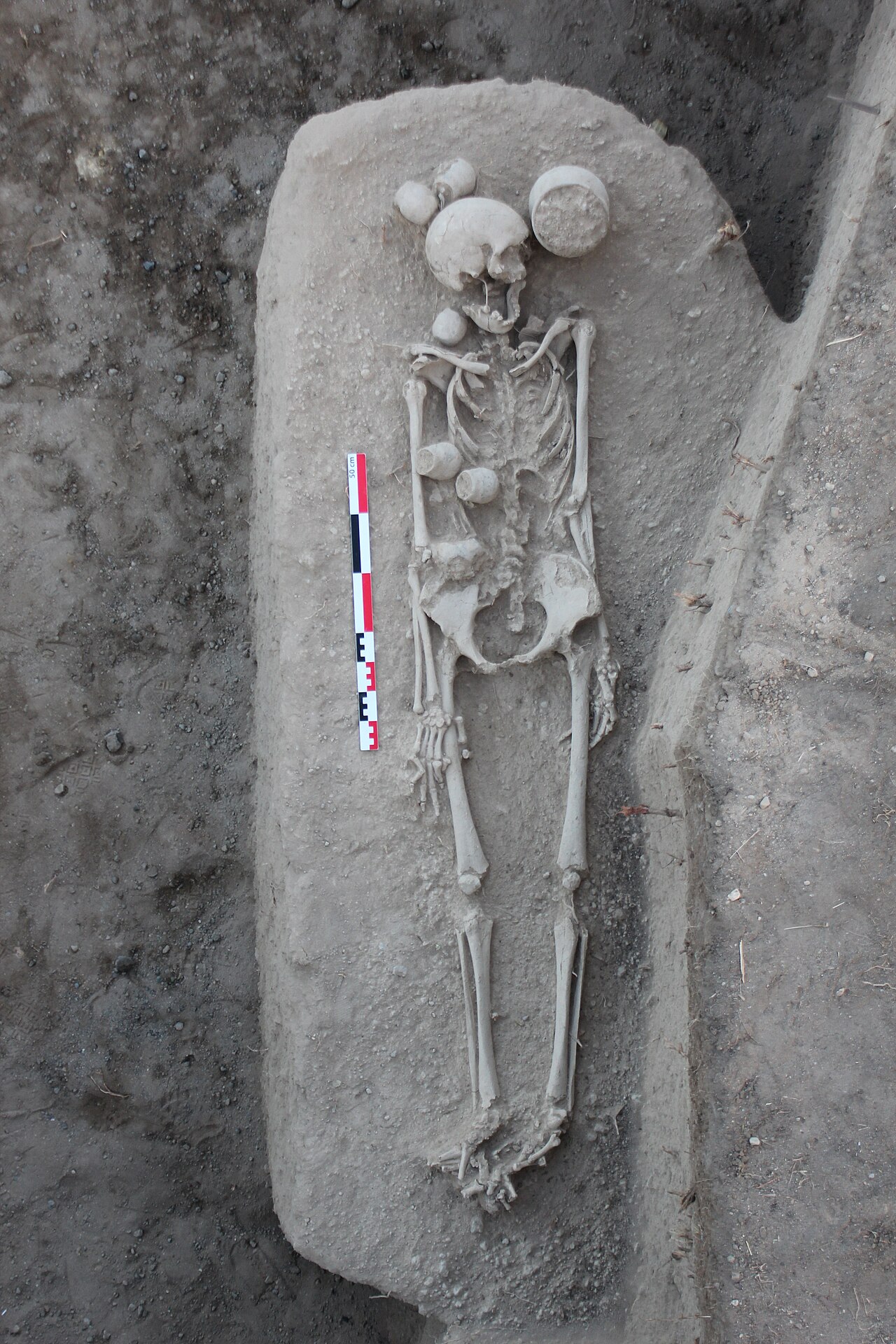
Burial methods can be heavily ritualized. They may include natural (or "green") burial; embalming or mummification; and the use of containers like shrouds, coffins, grave liners, and burial vaults, all of which can slow the body's decomposition. Sometimes objects or grave goods are buried with the body, which may be dressed in fancy or ceremonial clothing. Depending on the culture, how the body is positioned can carry great significance.
Where a burial takes place may be decided by health and sanitation concerns, religious beliefs, and cultural customs. Some cultures keep the dead nearby to offer guidance to the living, while others "banish" them by placing burial grounds far from inhabited areas. Certain religions set aside special ground for burials, and some families build private cemeteries.
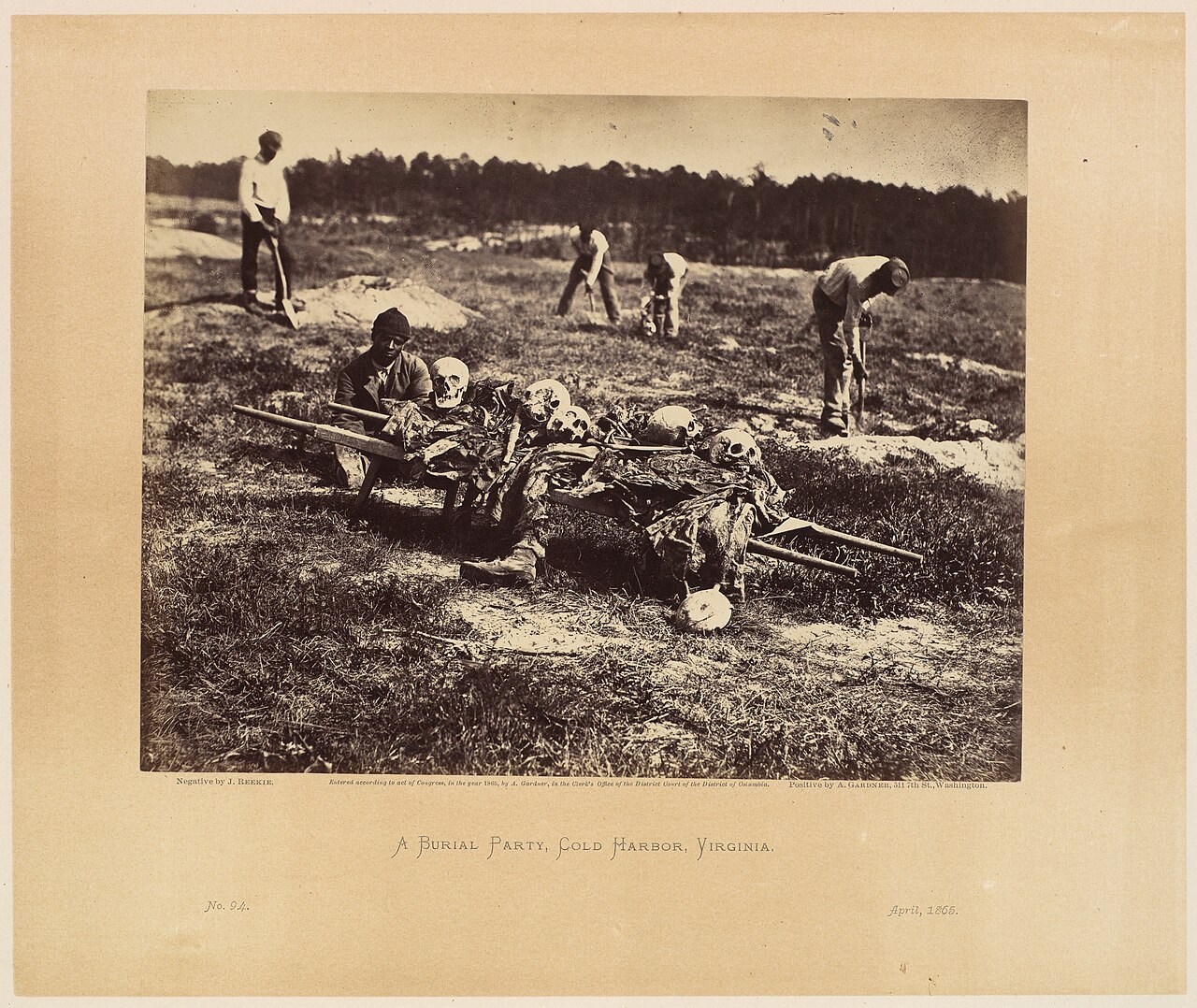
Most modern cultures mark grave locations with headstones, which can be inscribed with information and tributes to the deceased. However, some people are buried in anonymous or secret graves for various reasons. Sometimes multiple bodies are placed in a single grave—by choice (such as married couples), due to limited space, or in mass graves to handle many bodies at once.
Alternatives to burial include cremation (followed by interment), burial at sea, and cryopreservation. Some human cultures also bury the remains of beloved animals.
**History**
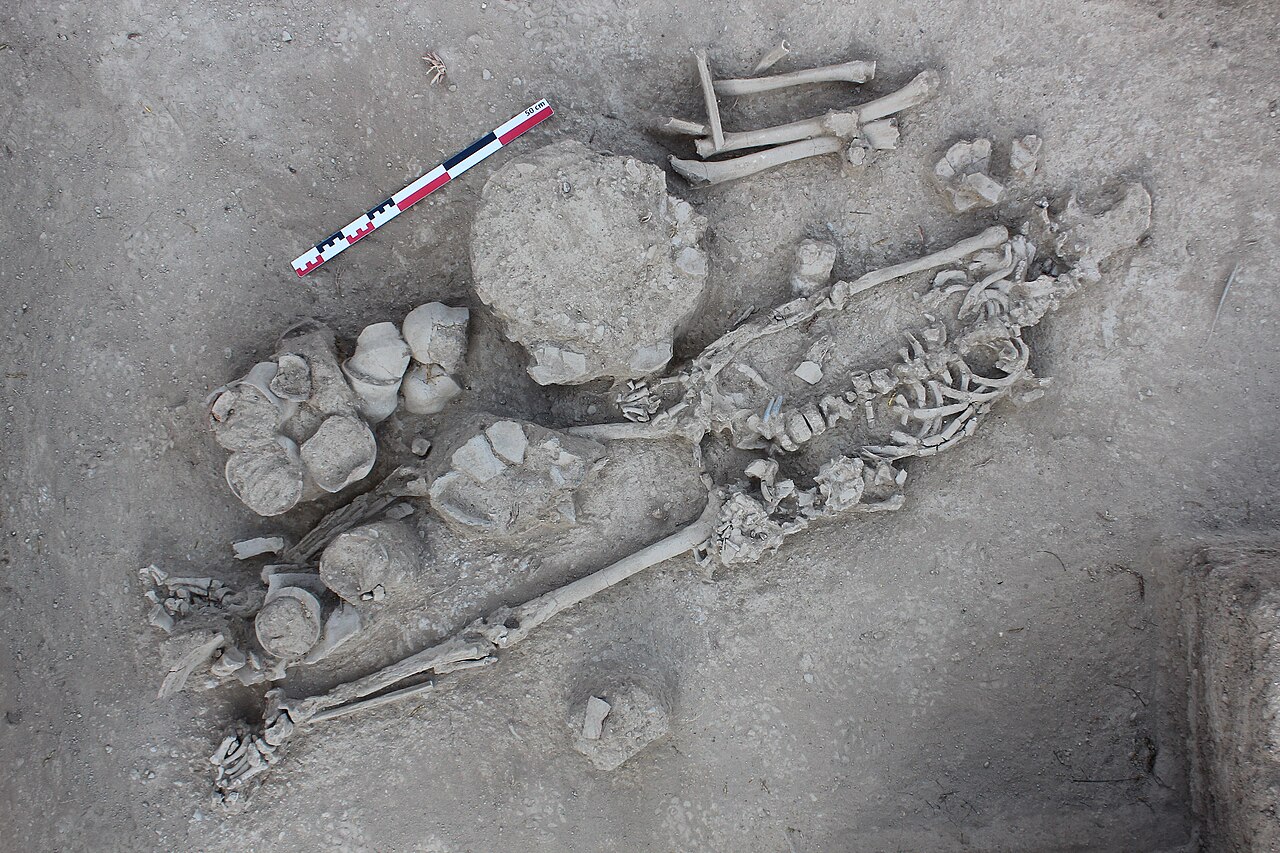
Intentional burial, especially with grave goods, may be one of the earliest detectable forms of religious practice, as it can suggest a "concern for the dead that transcends daily life." Evidence points to Neanderthals as the first human species known to practice burial behavior and to intentionally bury their dead, using shallow graves furnished with stone tools and animal bones. Notable sites include Shanidar in Iraq, Kebara Cave in Israel, and Krapina in Croatia. Some scholars, however, argue that these "buried" bodies may have been disposed of for secular reasons.
Though there is ongoing debate about the reliability of dating methods, some scholars believe the earliest human burial dates back 100,000 years. Archaeological expeditions have found human skeletal remains stained with red ochre in the Skhul cave at Qafzeh in Israel. A variety of grave goods were present at the site, including the mandible of a wild boar in the arms of one skeleton. The remains of a 3-year-old child at Panga ya Saidi cave in Kenya, dating to 78,000 years ago, also show signs suggestive of a burial, such as the digging of a pit, laying the body in a fetal position, and intentionally covering the corpse quickly.
In ancient Egypt, burial customs developed during the Predynastic period. Round graves with one pot were used in the Badarian Period (4400–3800 B.C.E.), continuing the tradition of the Omari and Maadi cultures.
Archaeologists refer to unmarked prehistoric cemeteries using the neutral term "grave field." Grave fields are one of the chief sources of information on prehistoric cultures, and many archaeological cultures are labeled and defined by their burial customs, such as the Urnfield culture of the European Bronze Age.
During the Early Middle Ages, reopening graves and manipulating the corpses or artifacts inside them was a widespread phenomenon and a common part of the life course of early medieval cemeteries across Western and Central Europe. This reopening of furnished or recent burials occurred especially from the 5th to the 8th centuries CE across the broad zone of European row-grave-style furnished inhumation burial, which included regions of Romania, Hungary, the Czech Republic, Slovakia, Switzerland, Austria, Germany, the Low Countries, France, and South-eastern England.
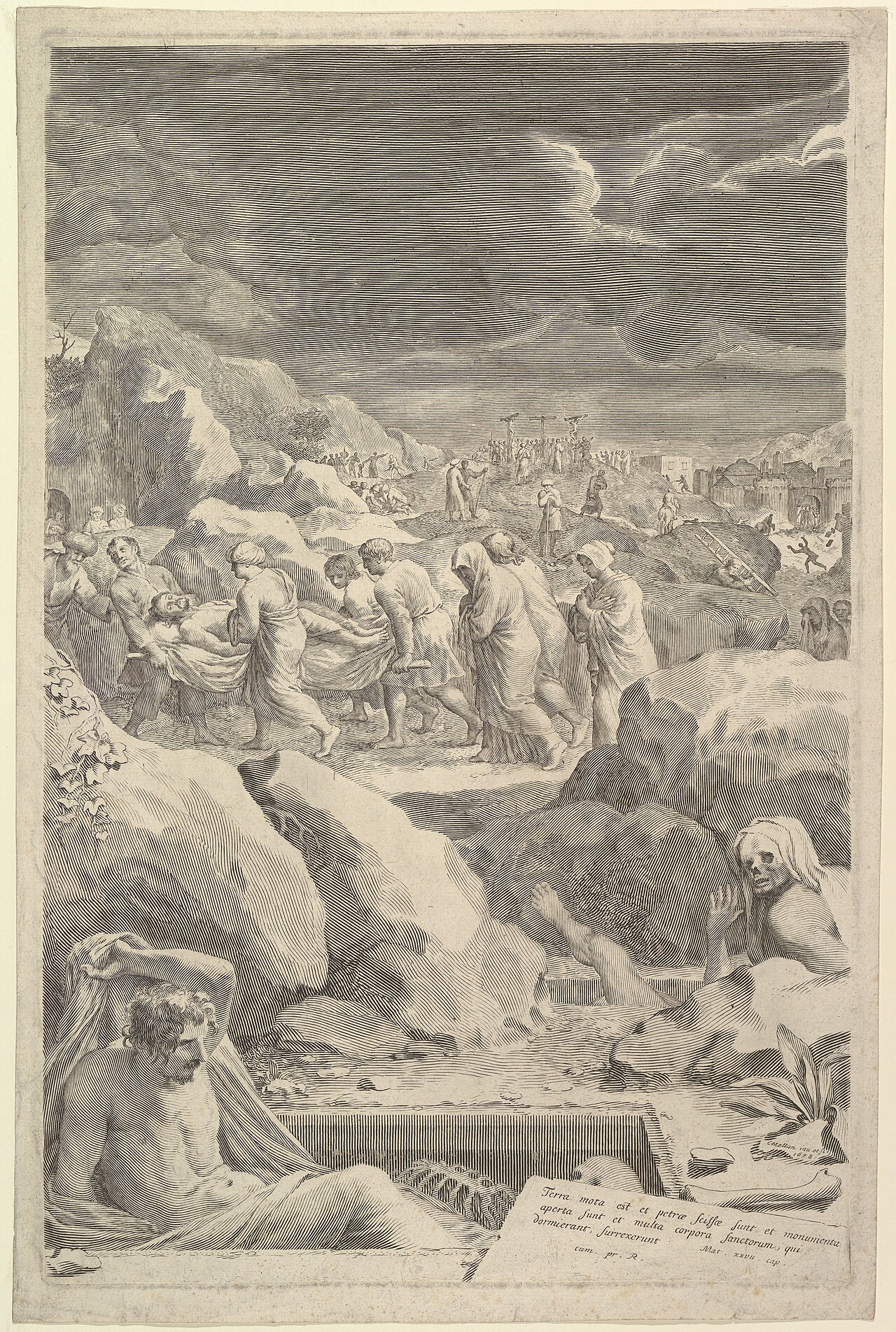
Medieval European Christianity sometimes developed complex burial rituals and attached great importance to their correct performance: the fate of the soul of the deceased might depend on observing the proper ceremonial. For example, to make it to heaven, a person had to be interred correctly, as burial was the passage out of this world. The body had to be shrouded in the expectation that it would be reborn into eternal life. Then, on the eve of burial, the corpse had to be taken to church on a torch-lit bier and placed in the darkness of the nave, then laid in front of the high altar, surrounded by candles. The next day, in front of the whole community, a requiem mass was to be sung and the paschal candle lit. Following this, there were prayers, hymns, special masses, and the body was borne to the grave, sprinkled with holy water and buried in consecrated ground. It had to be laid head up with its feet to the east, for it was from this direction that Christ would return, from New Jerusalem, at the Apocalypse, when the worthy dead would be resurrected. If burial rituals went awry, one's immortal soul was jeopardized. Personal salvation—breaking free from the corporeal prison and ascending to a spiritual sphere unencumbered by—depended on these rites.
- definition
- Method of final disposition of a dead body
- first_practitioners
- Neanderthals (disputed; scholarly consensus does not confirm them as the first)
- common_alternatives
- Cremation, burial at sea, cryopreservation
- typical_depth_myth
- Six feet (1.8 metres) is a common misconception
Lore & Background
Intentional burial, particularly with grave goods, may be one of the earliest detectable forms of religious practice. Some evidence suggests Neanderthals may have practiced burial behavior, using shallow graves furnished with stone tools and animal bones, but this is disputed—exemplary sites include Shanidar in Iraq, Kebara Cave in Israel, and Krapina in Croatia, though some scholars argue such bodies may have been disposed of for secular reasons. Archeological expeditions have discovered human skeletal remains stained with red ochre in the Skhul cave in Israel and at the Qafzeh cave in Israel, with grave goods including the mandible of a wild boar. During the Early Middle Ages, the reopening of graves and manipulation of corpses was a widespread phenomenon across Western and Central Europe from the 6th to the 8th centuries CE.
Reader's Guide
Burial practices reflect deep cultural and religious concerns. Many cultures believe burial is necessary for the deceased to reach the afterlife, and rituals often accompany the process. Methods vary widely, including natural (green) burial, embalming, mummification, and the use of shrouds, coffins, grave liners, and burial vaults. Grave goods and ceremonial garb are sometimes included. The location of burial may be determined by health, sanitation, religious, and cultural factors. Some cultures keep the dead close for guidance; others banish them to distant grounds. Most modern cultures document graves with headstones, though anonymous or secret graves exist. Multiple bodies may be buried in a single grave by choice, due to space, or in mass graves. Alternatives to burial include cremation, burial at sea, and cryopreservation. The practice of burying animal remains also occurs in some cultures.
Did You Know?
- The World Health Organization advises that only corpses carrying an infectious disease strictly require burial.
- In medieval European Christianity, the fate of the soul might depend on observing proper burial ceremonial.
- Graves are rarely dug to a depth of six feet except when intended to bury further coffins on top.
Regional Diversity in Indigenous Burial Practices
Long before colonial contact shaped the archipelago's religious landscape, the peoples of the Philippines already held a deep conviction that existence continued beyond death. Rooted in ancestral veneration and reinforced by tight-knit tribal bonds, this belief gave rise to a remarkable patchwork of funerary traditions that varied from one island group to the next. The Manobo, for instance, interred their dead within trees, while the Ifugao placed the body on a chariot before transporting it to a cave for final rest. Across the islands, the most frequently encountered forms were supine pits, earthenware jars, and log coffins—practices that have drawn the attention of Philippine archaeologists since the early twentieth century. Jar burials in particular came in three configurations: primary, in which the full body was deposited; secondary, where remains were exhumed and repositioned in a new grave or ossuary; and multiple, in which the bones of several individuals shared a single container. Some jars even bore sculpted anthropomorphic features that offered clues about the sex and age of the person inside, turning the vessel itself into a kind of portrait.
The Art of Intentional Preservation
In the tropical warmth and humidity of the Philippine islands, natural mummification is exceedingly rare. Yet across numerous regions, communities developed deliberate methods to preserve their dead, most notably through dehydration and smoking. The village of Kabayan in Benguet stands as one of the most well-known examples, where bodies were kept in a state of preservation and displayed within family homes as a continuing act of honor toward the departed in the afterlife. What distinguishes Philippine mummification from other parts of the world is that it is almost exclusively the product of human intervention rather than environmental accident. The intent behind the practice was not merely scientific curiosity but spiritual: keeping the physical form intact was understood as a way to maintain a tangible connection with the person who had passed. Because the climate works against spontaneous desiccation, every mummy found in the archipelago essentially tells a story of specific cultural knowledge, passed down through generations, applied with purpose to ensure the dead remained present in the lives of the living.
The Wake, the Procession, and the Long Grief
When a Filipino dies, the community gathers in a vigil called the burol, lamay, or paglalamay—a watch that typically spans three to seven nights and can stretch longer if a distant relative is still traveling. The cleaned, embalmed body rests in a coffin surrounded by funeral lights, a guest book, a donation box, and flowers. Visitors offer condolences and financial contributions known as abuloy to ease the family's expenses, while the bereaved serve food and drink. To keep mourners awake through the long hours, the atmosphere fills with conversation, guitar playing, singing, and even card games. On the day of the funeral, the coffin is loaded into a hearse or carried by loved ones in a procession to the church and then the cemetery, where a Catholic Mass or Protestant hymn service is held. After interment, the family observes the pasiyam, a nine-day novena of evening rosaries rooted in the pre-colonial belief that the soul enters the spirit world on the ninth day. A further Mass marks the fortieth day, the waksi, and the full year of mourning closes with the babang luksâ, the descent from grief.
A Mosaic of Faiths and Cultural Layers
Contemporary Filipino funeral practice is a living palimpsest. Although the underlying conviction in an afterlife persists from pre-Hispanic times, the outward forms now blend indigenous sensibility with the legacies of Spanish, American, and Chinese presence on the islands. Catholic and Protestant communities observe the multi-day wake and extended mourning cycle, while Hispanofilipino, Jewish, and Muslim families follow a markedly different rhythm: their traditions require burial within twenty-four hours of death, a practice historically driven by the very real danger of disease spreading from an unburied body. Among mourners, dress codes also reveal cultural layering. Black remains the standard color for most Filipino funerals, yet Chinese Filipinos and Ilocanos customarily wear white, often pinned with a small rectangular black mourning badge on the left breast. Men may don the barong tagalog with a black armband, and women in more conservative settings add veils or headbands matching their garments. Despite these variations, the core emotional architecture—the gathering of community, the honoring of the departed, and the structured passage through grief—remains shared across all traditions.
Gallery
Frequently Asked Questions
What is Burial in a religious context?
Burial is the practice of placing a deceased person's body into the earth or into a structure such as a mausoleum as a final resting arrangement. It may involve interring personal objects alongside the body and is widely regarded as a gesture of honor toward the departed.
Who are believed to have been the first to practice Burial?
Some evidence points to Neanderthals as early practitioners, though scholars have not reached a firm consensus confirming them as the very first. Archaic and early modern humans show signs of intentional interment, but the exact origin remains debated.
What alternatives exist to Burial?
Common alternatives include cremation, burial at sea, and cryopreservation. These methods serve the same purpose of final disposition but differ in how the body is handled after death.
Is it true that burials must be six feet deep?
The 'six feet' figure (roughly 1.8 metres) is a widespread myth rather than a universal rule. Actual burial depths vary by local regulation, cultural tradition, and the specific site.
Why is Burial considered significant in religious traditions?
Across many faiths, interment is seen as a way to show respect and care for the dead. The practice often carries symbolic meaning about the body's return to the earth and the soul's journey beyond this life.
More in Religious Practices And Symbols 1-17
Spotted an error? Know more?
This is a living reference — every entry is fact-audited, and reader corrections feed straight into our audit queue. Suggest an edit · See this site's audit record