Frequently Asked Questions
The most-asked questions about reggae record labels.
What exactly is a reggae record label, and how does it differ from a typical music label?
A reggae record label is a company or imprint that produces, presses, and distributes reggae and related Jamaican music, but in the genre's tradition it very often doubles as the recording studio itself. This studio-label hybrid meant the person who owned the room where the music was made also controlled the master recordings and the release process, giving producers an unusually direct hand in the final sound.
Which reggae labels are considered the most historically important?
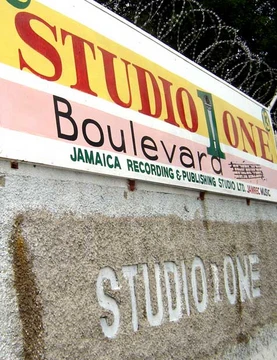
Studio One (Coxsone Dodd), Treasure Isle (Duke Reid), and Black Ark (Lee "Scratch" Perry) are widely regarded as the foundational Jamaican imprints of the ska-to-reggae era. Bob Marley's Tuff Gong later became the most globally recognized reggae label, while Jammy's, Trench Town Rockers, and IRIE FM carried the torch through the 1980s and beyond.
Who are the key figures most associated with founding or running reggae labels?
Coxsone Dodd built Studio One into the dominant force of 1960s Jamaican popular music, and Duke Reid's Treasure Isle rivaled it with a livelier, more dancehall-oriented catalog. Lee "Scratch" Perry turned his Black Ark studio into a one-man creative empire, and Bob Marley used Tuff Gong to put reggae on the world stage.
Where did the reggae label scene originate geographically?
Nearly every landmark reggae imprint was rooted in Kingston, Jamaica, particularly in neighborhoods like Waterhouse, Trench Town, and the area around Duke Street. The proximity of studios, pressing plants, and street-level distributors in a single city created a tight feedback loop that shaped the genre's rapid evolution.
What is the "studio label" model that is so central to reggae history?
Rather than signing artists to a separate corporate entity, a producer would record musicians in his own studio, master the tape, press the vinyl, and distribute the single under his own name or imprint. This meant a single individual like Perry or Dodd could control everything from the drum sound to the sleeve artwork, which is why many reggae labels are inseparable from the studios that bear their names.
How did reggae labels influence the actual sound of the music?
Each studio had its own house rhythm section, preferred reverb settings, and a roster of session players, so a track cut at Black Ark sounded distinctly different from one cut at Studio One. Labels also set commercial expectations—Dodd favored polished, radio-ready productions while Perry chased raw, experimental textures—which pushed artists to adapt their arrangements to the house style.
What are some pivotal moments in reggae label history?
The 1968–1972 shift from ska and rocksteady to early reggae saw Studio One and Treasure Isle dominate, while Black Ark's 1973–1974 output (including work with The Wailers before Marley left) is often cited as a creative peak. Marley's 1973 signing to Island Records and his parallel Tuff Gong releases marked the first time a reggae act achieved simultaneous local and international distribution at scale.
Where should a newcomer start if they want to explore reggae labels and their catalogs?
Listening to the classic Studio One and Treasure Isle singles from 1966–1972 gives a solid foundation in the rocksteady-to-reggae transition. From there, diving into Black Ark's 1973–1975 output and the early Tuff Gong albums (Catch a Fire, Burnin') shows how the sound opened up, and browsing Jammy's or IRIE FM releases introduces the digital-era roots and dancehall lineage.
Are reggae labels still active today, and how has the scene changed?
Many historic imprints continue to issue new material and reissues, and a steady stream of independent Kingston and diaspora labels keeps the tradition alive. The rise of digital distribution has reduced the need for a local pressing plant, but the studio-label ethos—producer-as-curator—remains a defining feature of how new reggae, roots, and dancehall music is still released.
What's the difference between a Jamaican reggae label and a major-label reggae imprint?
A Jamaican label like Tuff Gong or Jammy's typically originates the music, controls the master, and builds its identity around a local studio culture. A major-label reggae imprint (such as Island's reggae catalog or Virgin's roots roster) usually licenses or signs existing artists for international distribution, adding marketing muscle but often less day-to-day creative involvement in the recording process.