Frequently Asked Questions
The most-asked questions about reef aquarium fish species.
What exactly is a reef aquarium and how does it differ from a freshwater tank?
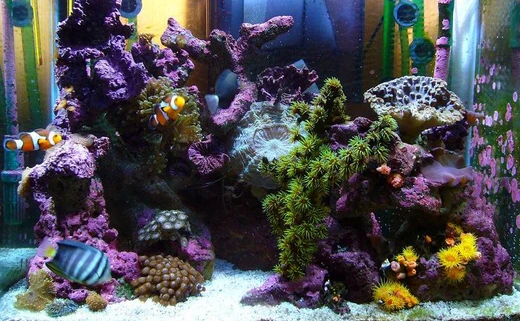
A reef aquarium is a saltwater system that recreates a tropical coral-reef ecosystem, housing fish alongside living corals, invertebrates, and structured rockwork. Unlike a freshwater setup, it demands tight control of salinity, temperature, and pH to keep both the fish and the invertebrate community alive.
Which fish species are considered the 'main characters' of the reef hobby?
The Ocellaris clownfish (Amphiprion ocellaris) and the blue tang (Paracanthurus hepatus) are the most recognizable, a status cemented by the Finding Nemo films. Other heavyweights that anchor most community reefs include the flame angel, mandarinfish, and various damselfish species.
Roughly how many fish species are available for reef keeping?
Around 1,500 to 2,000 marine species move through the ornamental-fish trade, but only a subset is considered reef-compatible. The practical shortlist of species that coexist peacefully with corals and invertebrates typically runs to a few hundred.
What are the most critical water parameters to monitor?
Salinity near 1.025 specific gravity, temperature between 78 and 82 °F (25–28 °C), and a stable pH of 8.0–8.4 form the essential trio. Alkalinity, calcium, and magnesium become equally important once live corals enter the system.
What does the label 'reef-safe' actually mean?
It describes a species whose feeding habits and temperament will not harm corals, crabs, shrimp, or other invertebrates in a mixed reef tank. It is a behavioral and dietary classification rather than a taxonomic one, so two closely related species can differ in reef-safety based on what they eat.
Where do most reef-aquarium fish originate?
The large majority are wild-caught from the Indo-Pacific, particularly collection operations in the Philippines, Indonesia, and the Maldives. A smaller but growing share is now captive-bred in commercial facilities, especially for clownfish, tangs, and certain damselfish.
What tank size should a beginner plan for?
A 75-gallon (≈284 L) system is the most widely recommended minimum for a true mixed reef because the larger water volume buffers against chemical swings. A 30-gallon nano reef is popular for space-constrained keepers but requires more frequent water changes and very careful stocking.
What are some commonly cited milestone moments in the hobby's history?
The 1990s saw the hobby explode as protein skimmers and improved lighting made coral survival practical in home systems. The 2003 release of Finding Nemo and its 2016 sequel triggered a massive surge in clownfish and tang demand that still shapes the trade today.
What are the most common mistakes new reef keepers make?
Overstocking the tank and introducing incompatible species top the list of causes for early failure. Closely behind are skipping the essential four-to-six-week cycling period, adding livestock before chemistry has stabilized, and under-filtration.
Where should a newcomer start learning about reef fish species?
Pick one hardy beginner species—such as a pair of ocellaris clownfish or a single yellow tang—and study its care sheet before adding anything else. Local reef-keeping clubs, well-regarded YouTube channels, and the species-specific pages of this encyclopedia make the most practical first resources.