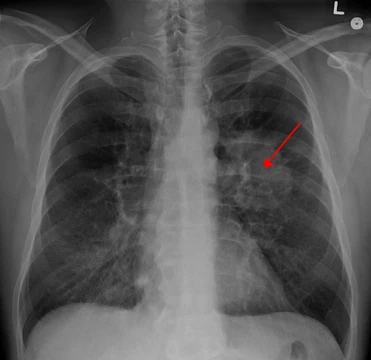
Epithelioid hemangioendothelioma
A rare vascular tumor with a distinct genetic fusion.
Epithelioid hemangioendothelioma (EHE) is a rare vascular tumor first characterized in 1982. It is considered a soft tissue sarcoma with endothelial cell surface markers, and its clinical and histological features place it between angiosarcoma and hemangioma. A disease-defining genetic alteration distinguishes EHE as a separate entity from both.
Quick Facts
- Field
- oncology
Facts from the source article.
Did You Know?
- EHE was originally reported under names including histiocytoid hemangioendothelioma and intravascular bronchoalveolar tumor.
- The TAZ gene is also referred to as WWTR1, and a different gene called Tafazzin is unrelated to EHE.
- EHE presenting in the pleura is associated with a more aggressive and hard-to-treat course.
Genetics
A balanced reciprocal translocation t(1;3)(p36.3;q25) in EHE tumor cells was first described in 2001. This leads to fusion of the TAZ (WWTR1) and CAMTA1 genes, producing an abnormal fusion protein that is always active and resides in the nucleus. This constitutively active TAZ binds TEAD transcription factors, driving cell proliferation. In normal cells, TAZ is regulated by the Hippo pathway, which keeps it in the cytoplasm; the fusion protein evades this control. About 10% of EHE patients have a different translocation that constitutively activates YAP, an orthologue of TAZ, also causing unregulated growth.
Treatment
Sirolimus (rapamycin) suppresses the immune system and slows abnormal lymphatic vessel growth, shrinking tumors and improving symptoms. Tyrosine kinase inhibitors such as sorafenib, sunitinib, and pazopanib have shown short-term success. Vincristine targets dividing cells and is used for aggressive benign vascular tumors. Interferon targets blood vessel growth. Multi-agent chemotherapy may be used for rapidly growing or unresponsive tumors. Surgery can be considered for high disease burden, though timing and appropriateness remain undefined.
Society
A Facebook site exists for people with EHE, and a patient registry collects medical histories. The CRAVAT Center for Research and Analysis of Vascular Tumors serves the EHE community. The EHE Rare Cancer Foundation Australia, established in 2015 by Australians with EHE, fundraises to support research. Photographer and actress Kris Carr, diagnosed with a stable low-grade version of EHE in 2003, advocates a vegan lifestyle.
More in Rare Cancers
Spotted an error? Know more?
Reader corrections go straight into our review queue. Suggest an edit · How this site is sourced