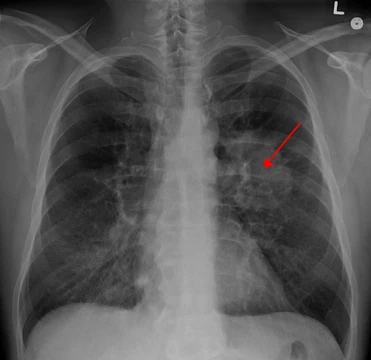
Endodermal sinus tumor
A malignant germ cell tumor common in infant testes.
Endodermal sinus tumor is a malignant germ cell cancer. It is the most common testicular tumor in children under three, where it carries a very good prognosis. In adults, it often occurs alongside other germ cell tumors such as teratoma and embryonal carcinoma.
Quick Facts
- Also known as
- infantile embryonal carcinoma and yolk sac tumor
- Secreted tumor marker
- alpha-fetoprotein (AFP)
- Pathognomonic histological feature
- Schiller–Duval bodies
- Commonly used chemotherapy agents
- cisplatin
- etoposide
- and bleomycin
Facts from the source article.
Diagnosis
The histology of endodermal sinus tumor is variable but typically includes malignant endodermal cells that secrete alpha-fetoprotein (AFP). AFP can be detected in tumor tissue, serum, cerebrospinal fluid, urine, and, in fetal cases, amniotic fluid. When biopsy and AFP results conflict, the finding indicating EST dictates treatment, because EST may exist as small malignant foci within a larger teratoma that biopsy misses. GATA-4, a transcription factor, may also aid diagnosis. Diagnosis in pregnant women and infants is complicated by their naturally high AFP levels; in pregnant women, maternal serum AFP testing is used, while in infants, tumor marker AFP must be interpreted with age-specific reference tables. EST displays many morphologic patterns, including reticular, endodermal sinus-like, microcystic, papillary, solid, glandular, alveolar, polyvesicular vitelline, enteric, and hepatoid. Schiller–Duval bodies, seen in the endodermal sinus-like pattern, are pathognomonic. Rarely, EST occurs in the vagina.
More in Rare Cancers
Spotted an error? Know more?
Reader corrections go straight into our review queue. Suggest an edit · How this site is sourced