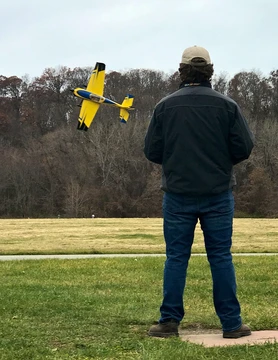
Helicam
A remote-controlled mini helicopter for aerial imaging with flexible operation.
Last updated
The Helicam is a remote-controlled mini helicopter designed for aerial photography and motion imaging. It can carry video, still, or motion film cameras and is notable for its flexibility and small size, allowing operation in confined spaces with a takeoff and landing area of about 4 square meters.
Quick Facts
- Takeoff/landing area required
- about 4 square meters
- Flight endurance
- 15 to 30 minutes
- Refueling time
- seconds
Facts from the source article.
Background
The Helicam system is operated by two people: a helicam pilot and a camera operator, each with independent controls. The camera mount supports pan, tilt, and roll movements, and a wireless onboard video transmitter downlinks the live signal to the camera operator.
Images can be recorded on board, on the ground, or both. The system's small size and flexibility allow it to be flown practically anywhere a small spot is available for takeoff and landing. Flight endurance ranges from 15 to 30 minutes, and refueling can be completed in seconds.
More in Radio-Controlled Aircraft
Sources
Compiled from Wikipedia and the sources listed below. Text from Wikipedia is available under CC BY-SA 4.0; this entry is adapted from it.
- Wikipedia: Helicam (CC BY-SA 4.0).
Spotted an error? Know more?
Reader corrections go straight into our review queue. Suggest an edit · How this site is sourced