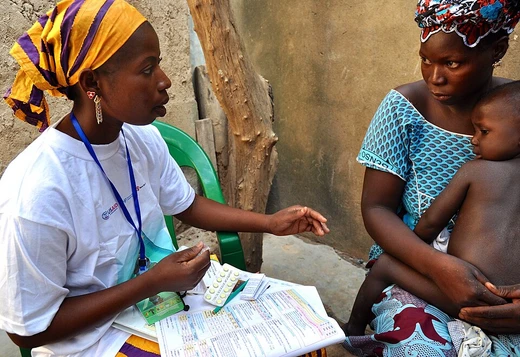
Reverse zoonosis
Human-to-animal pathogen transmission, a reverse of zoonosis.

A reverse zoonosis, also called zooanthroponosis or anthroponosis, occurs when a pathogen that has its reservoir in humans is transmitted to non-human animals. This is the opposite of a zoonosis, where a pathogen from a non-human animal moves to humans.
The terminology around these concepts has been complicated. Anthroponosis originally referred to pathogens that come from humans, covering both human-to-human and human-to-animal transmission. The word "zoonosis" technically means any disease transferred between animals—human or non-human—without specifying direction, and has sometimes been defined as disease moving from animals to humans and back again. However, because of a human-centered bias in medicine, "zoonosis" is often used like "anthropozoonosis," which specifically means a pathogen reserved in non-human animals that can infect humans. This confusion led scientists to use "anthropozoonosis" and "zooanthroponosis" interchangeably until a 1967 joint meeting of the Food and Agriculture Organization and the World Health Organization recommended that "zoonosis" should describe the bidirectional exchange of infectious pathogens between animals and humans.
Because humans rarely have direct contact with wild animals and often introduce pathogens through "soft contact," the term "sapronotic agents" is needed. Sapronoses (from the Greek for "decaying") are human diseases that can grow and replicate—not just survive or contaminate—in non-living environments like soil, water, decaying plants, animal corpses, excreta, and other substrates. Sapro-zoonoses involve both a live host and a non-animal developmental site, such as organic matter, soil, or plants. Obligate intracellular parasites—like viruses, rickettsiae, chlamydiae, and *Cryptosporidium parvum*—cannot replicate outside cells and rely entirely on entering a cell to use its resources, so they cannot be sapronotic agents.
Categorizing diseases by their supposed source or direction of transmission raises contradictions that cyclical models could resolve. For example, consider diseases spread by arthropod vectors, such as urban yellow fever, dengue, epidemic typhus, tickborne relapsing fever, Zika fever, and malaria. If a human infected with malaria is bitten by a mosquito, which then becomes infected, that is a reverse zoonosis (human to animal). But if that mosquito later bites another human, it could be a zoonosis (animal to human) if the mosquito is seen as the original source, or an anthroponosis (human to human) if the human is seen as the original source. If the mosquito instead infects a non-human primate, it could be a reverse zoonosis (human to animal) if the human is the primary source, or simply a zoonosis (animal to animal) if the mosquito is the primary source.
Similarly, HIV, which originated in simians when humans consumed wild chimpanzee bushmeat, and influenza A viruses, which originated in birds through an antigenic shift, were initially zoonotic transfers from vertebrate animals. But they could now be considered anthroponoses because they can spread between humans.
Typical sapronotic agents are fungal, such as those causing coccidioidomycosis, histoplasmosis, aspergillosis, cryptococcosis, and *Microsporum gypseum*. Some are bacterial, from sporulating *Clostridium* and *Bacillus* species to *Rhodococcus equi*, *Burkholderia pseudomallei*, *Listeria*, *Erysipelothrix*, *Yersinia pseudotuberculosis*, legionellosis, Pontiac fever, and nontuberculous mycobacterioses. Others are amebic, like primary amebic meningoencephalitis. Classification difficulties arise with sporulating bacteria whose infectious spores are produced only after a period of inactive vegetative growth in an abiotic environment—this is still considered sapronosis. However, zoo-sapronoses involving *Listeria*, *Erysipelothrix*, *Yersinia pseudotuberculosis*, *Burkholderia pseudomallei*, and *Rhodococcus equi* can be transmitted by an animal or an abiotic substrate but usually occur via a fecal-oral route between humans and other animals.
Malaria involves the cyclical infection of animals (human and non-human) and *Anopheles* mosquitoes with various *Plasmodium* species. The parasite transfers to the mosquito when it feeds on an infected animal's blood, then undergoes a sporogonic cycle in the mosquito's gut, infecting another animal at the next blood meal. The mosquito does not appear to be harmed. *Plasmodium brasilianum*, normally found in primates, is morphologically similar to *Plasmodium malariae*, which is more common in humans, and it is debated whether they are actually different species. Nonetheless, 12 reports of malaria in remote Yanomami communities in the Venezuelan Amazon were surprisingly caused by a strain of *P. brasilianum* with sequences 100% identical to those found in *Alouatta seniculus* monkeys. This suggests a definite zoonosis and a high possibility of spillback into non-human primate groups as reverse zoonoses.
- definition
- Pathogen reservoired in humans transmitted to non-human animals
- synonyms
- Zooanthroponosis, anthroponosis
- contrast
- Zoonosis (animal to human)
- etymology
- Greek zoon 'animal', anthropos 'man', nosos 'disease'
Lore & Background
The term reverse zoonosis, also called zooanthroponosis or anthroponosis, describes pathogens that originate in humans and can infect non-human animals. Anthroponosis can also include human-to-human transmission, adding further complexity.
Reader's Guide
Reverse zoonosis is significant because it challenges the human-centered bias in disease classification, revealing that pathogens can cycle between humans and animals in both directions. The article notes that diseases like malaria, African sleeping sickness, and arboviruses (e.g., yellow fever, dengue, Zika) can involve reverse zoonotic transmission, where infected humans pass pathogens to arthropod vectors or other animals, which may then reinfect humans or sustain sylvatic cycles. This bidirectional flow complicates disease control, as seen with Trypanosoma brucei gambiense in African sleeping sickness, where human-to-livestock transmission may maintain reservoirs. The concept also intersects with sapronoses, where pathogens replicate in abiotic environments, though obligate intracellular parasites cannot be sapronotic agents. Understanding reverse zoonosis is crucial for predicting spillback events and managing emerging infectious diseases.
Did You Know?
- Reverse zoonosis is also known as zooanthroponosis or anthroponosis.
- Malaria can involve reverse zoonosis when a human infects a mosquito, which then infects another human or non-human primate.
- Obligate intracellular parasites like viruses cannot be sapronotic agents because they cannot replicate outside cells.
Frequently Asked Questions
What is a reverse zoonosis?
A reverse zoinosis is the spread of a pathogen from humans (who act as the reservoir) to non-human animals. It is the mirror image of the more familiar animal-to-human disease transfer.
What are the alternative names for reverse zoonosis?
Epidemiologists also call it zooanthroponosis or simply anthroponosis. All three labels point to the same human-to-animal direction of pathogen transmission.
How does reverse zoonosis differ from a regular zoonosis?
A standard zoonosis describes a pathogen jumping from an animal into a human host, whereas a reverse zoonosis describes the opposite flow from humans into animals. Recognizing both directions shows that cross-species disease exchange is inherently bidirectional.
What do the Greek roots behind the term mean?
The components zoon (animal), anthropos (human), and nosos (disease) encode the idea of illness moving between human and animal populations. Adding 'reverse' simply flips the default animal-to-human direction implied by the word zoonosis.
More in Public Health And Epidemiology 1-19
Spotted an error? Know more?
This is a living reference — every entry is fact-audited, and reader corrections feed straight into our audit queue. Suggest an edit · See this site's audit record