
Neon Genesis Evangelion
A deconstructive mecha series exploring human psychology and trauma.

KKPCW · CC BY-SA 4.0
Neon Genesis Evangelion is a Japanese anime television series produced by Gainax and Tatsunoko Production, directed by Hideaki Anno, and broadcast on TV Tokyo from October 1995 to March 1996. The series is known for its deconstruction of the mecha genre and its exploration of the psychological experiences of its characters, set against a backdrop of apocalyptic conflict.
Quick Facts
- Genre
- Apocalyptic · Mecha · Psychological drama
- Creator
- GainaxPlanning and original story. As of 2025, the show's director Hideaki Anno is credited in that position and all references to Gainax are removed in current Japanese rebroadcasts.
- Director
- Hideaki Anno
- Producer
- Noriko Kobayashi (TV Tokyo) · Yutaka Sugiyama · ja · 杉山豊 (NAS)
- Music
- Shirō Sagisu
- Animator
- Tatsunoko Production · Gainax
- Company
- TV Tokyo · NAS
- Country
- Japan
- Language
- Japanese
- Network
- TXN (TV Tokyo)
- First Aired
- 1995-10-04
- Last Aired
- 1996-03-27
Facts from the source article.
Lore & Background
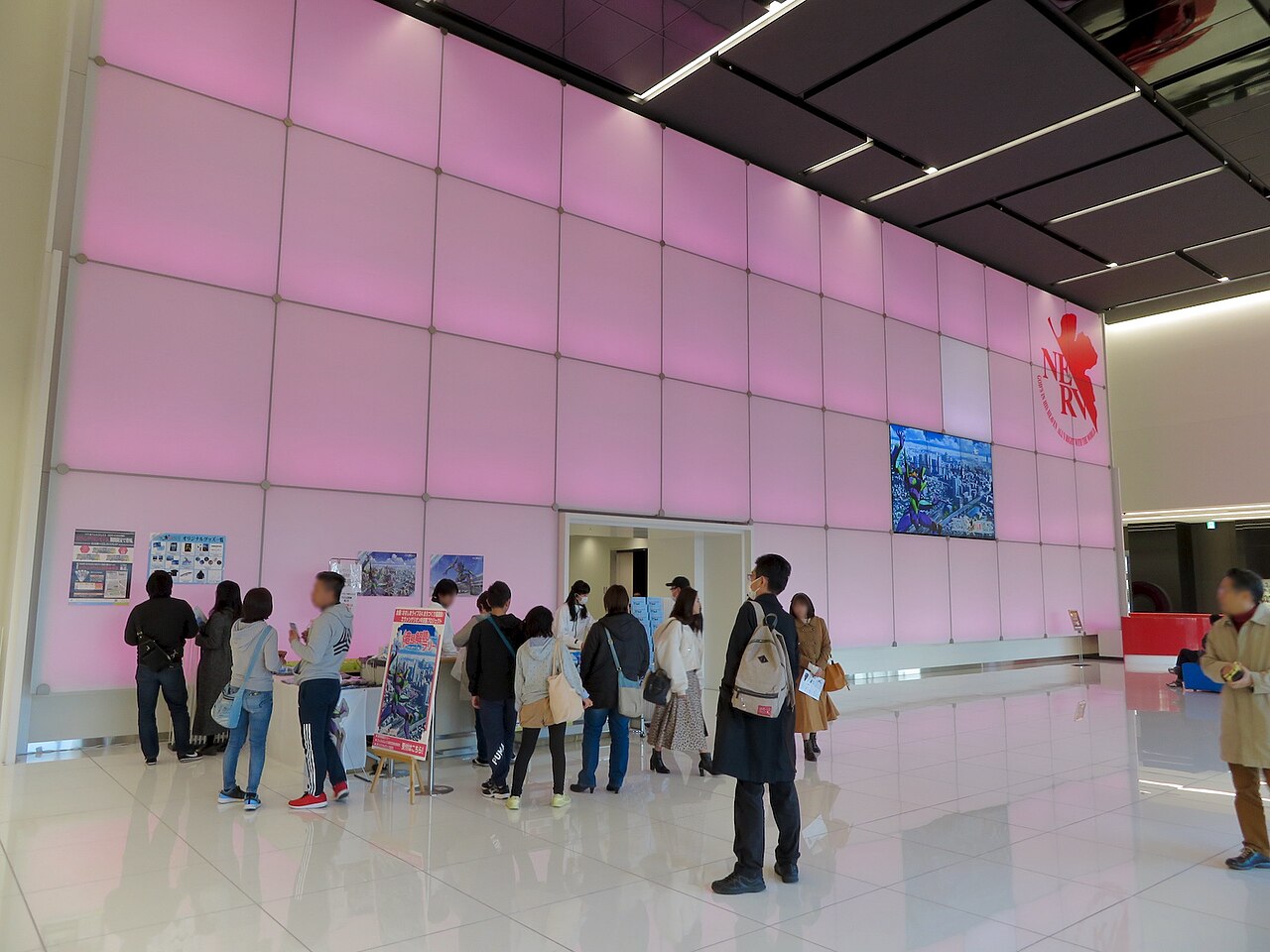
The story is set in 2015, fifteen years after a global cataclysm known as the Second Impact, in the fortified city of Tokyo-3. Teenager Shinji Ikari is recruited by his estranged father Gendo Ikari to pilot the biomechanical mecha Evangelion Unit-01 for the organization Nerv, fighting monstrous beings called Angels. The series follows Shinji, along with pilots Rei Ayanami and Asuka Langley Soryu, as they battle Angels and confront personal traumas, culminating in the Human Instrumentality Project, a forced evolution of humanity.
Reader's Guide
Neon Genesis Evangelion received acclaim and is regarded as one of the greatest animated series of all time. Its final two episodes drew controversy for their abstract style, attributed to production constraints and director Hideaki Anno's artistic choice. The 1997 film The End of Evangelion remade the ending, and a four-film series, Rebuild of Evangelion, retold the story with different plot elements from 2007 to 2021. The franchise has had a profound influence on the anime industry, with related goods earning over ¥150 billion by 2007 and pachinko machines generating ¥700 billion by 2015.
Did You Know?
- The series features archetypal imagery from Shinto cosmology and Judeo-Christian traditions, including Kabbalah.
- Psychoanalytic accounts by Sigmund Freud and Carl Jung are prominently featured.
- The character Rei Ayanami is a clone made from the salvaged remains of the Angel Lilith, not from Shinji's mother Yui Ikari.
- The final two episodes were not remade; rather, the 1997 film The End of Evangelion provides an alternate ending that diverges from the TV series' conclusion.
A Boy, a Giant Machine, and a Broken World
In the year 2015, fifteen years after a global catastrophe called the Second Impact reshaped the planet, a teenage boy named Shinji Ikari is pulled out of his ordinary life by his estranged father, Gendo Ikari, the director of a secretive paramilitary group called Nerv. Their base sits beneath Tokyo-3, a fortified futuristic city. Shinji's mission: pilot a colossal biomechanical war machine known as an Evangelion to destroy the Angels, monstrous entities whose awakening was predicted in ancient texts. What makes the Evangelions unique is their synchronization with the pilot's nervous system—they share the pilot's pain, and their own force fields, called AT Fields, are the only weapons capable of piercing the Angels' impenetrable Absolute Terror Fields. Alongside Shinji, two other pilots—Rei Ayanami, a quiet and enigmatic girl, and Asuka Langley Soryu, a fiery German-Japanese-American teenager—form the core trio defending humanity. The narrative weaves personal trauma, guilt, and fractured relationships into every battle, culminating in the Human Instrumentality Project, a forced merging of all human souls meant to end the loneliness that defines the species.
A Deconstruction Drenched in Myth and Psychology
Rather than celebrating the power and heroism typical of giant-robot storytelling, Evangelion deliberately dismantles the mecha genre from within. The series is widely described as a deconstruction, turning its lens inward toward the psychological toll of combat on its young pilots and the broader Nerv staff. The emotional landscape draws heavily on the psychoanalytic frameworks of Sigmund Freud and Carl Jung, exploring repression, archetypes, and the unconscious drives behind human behavior. Layered on top of this psychological architecture is a rich tapestry of religious and mythological imagery: Shinto cosmology, Judeo-Christian traditions, Midrashic tales, and Kabbalistic symbolism all inform the show's visual and narrative language. The Angels themselves are named after figures from these traditions, and the Dead Sea Scrolls are cited as the source of prophecies about their awakening. This fusion of clinical psychology and ancient mysticism gives the series a depth that transcends its sci-fi surface, inviting viewers to interrogate the motives behind human action and the ultimate causes of the events unfolding on screen.
The Ending That Divided a Generation
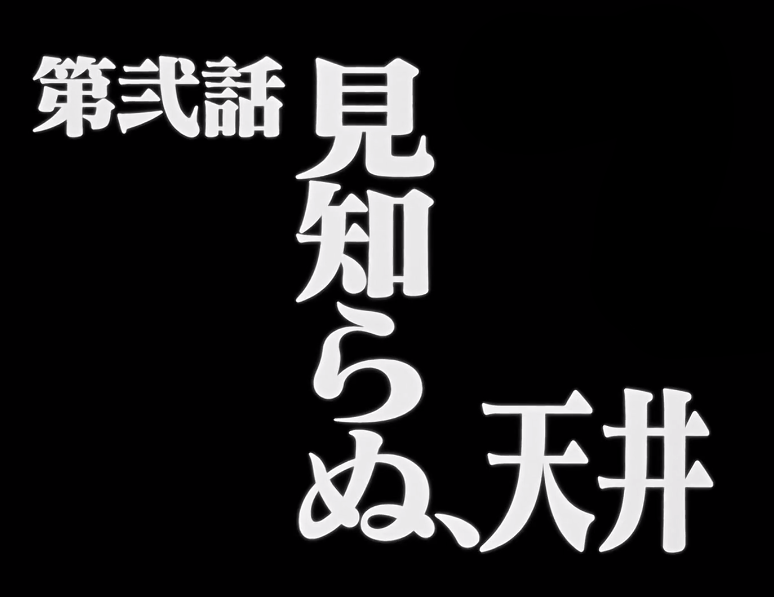
The final two episodes of the 1995 television broadcast remain one of the most debated conclusions in anime history. Many viewers found the ending deeply confusing and abstract, a jarring departure from the concrete, battle-driven narrative that had carried them through the full run. Gainax offered a dual explanation: the production schedule imposed severe time constraints that limited what could be animated, and Hideaki Anno made a deliberate artistic choice to shift into a more interior, interpretive mode. In 1997, Gainax released The End of Evangelion, a feature film written and co-directed by Anno that reimagined and expanded upon those last two episodes into a standalone cinematic experience. The story's legacy continued to evolve when the Rebuild of Evangelion film series began in 2007, with four installments released over fourteen years, concluding in 2021. These films retell the original events while introducing different plot elements and an entirely new ending, giving the narrative a second life and a fresh interpretive lens for both longtime fans and newcomers.
A Franchise That Rewrote the Economics of Anime
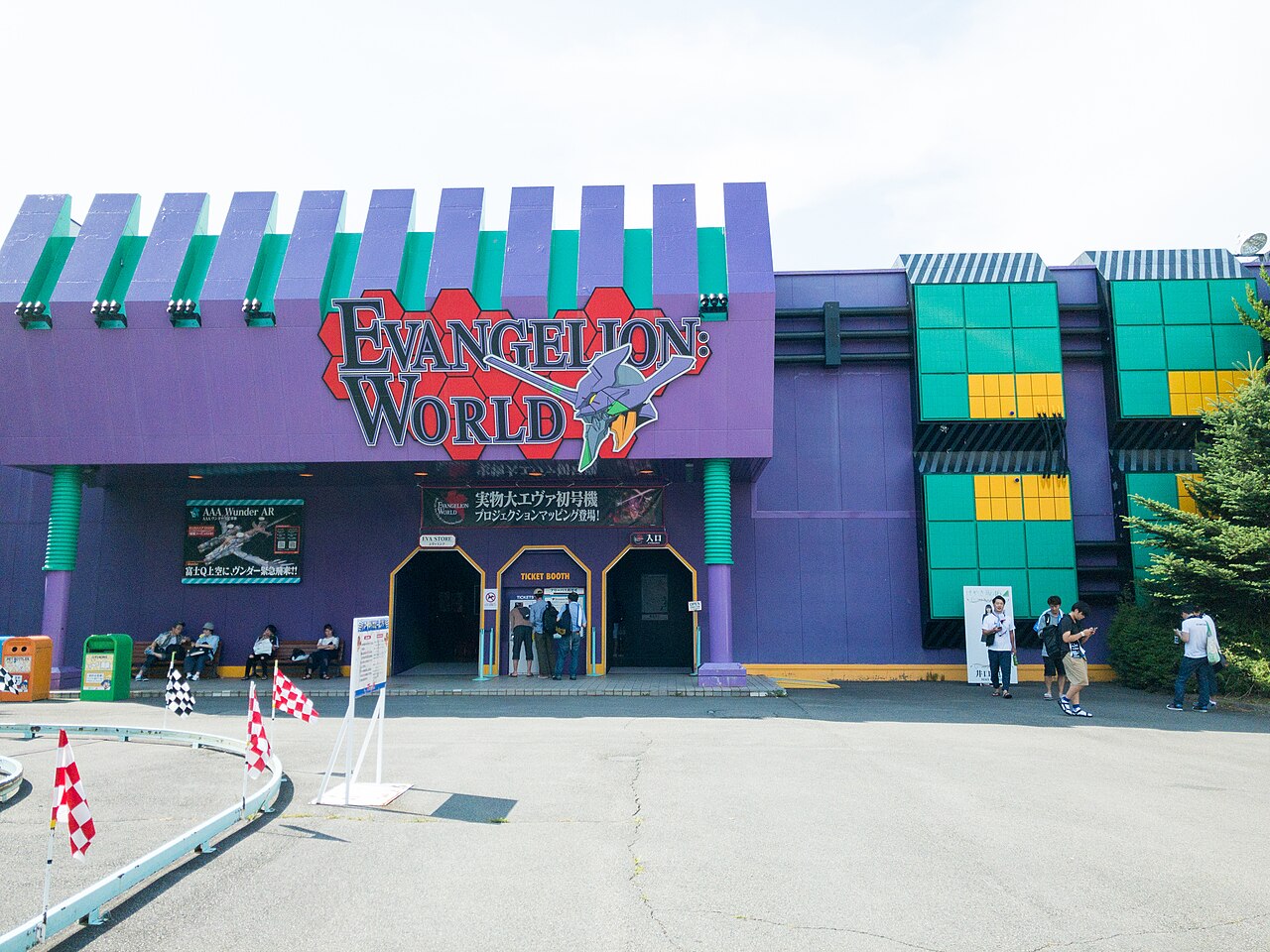
Neon Genesis Evangelion is widely regarded as one of the greatest animated series ever produced, and its influence on the anime industry has been both profound and far-reaching, shaping the direction of numerous works that followed in the decades since its 1995–1996 broadcast on TV Tokyo. Beyond critical acclaim, the franchise became a commercial juggernaut. Films, manga adaptations, home video releases, and a vast array of merchandise achieved record-breaking sales in Japanese markets while also performing strongly overseas. By 2007, related goods had generated over ¥150 billion in revenue. Perhaps most strikingly, Evangelion-themed pachinko machines produced an estimated ¥700 billion by 2015, a figure that underscores how deeply the franchise embedded itself into Japanese consumer culture. The series' blend of psychological intensity, mythological richness, and genre subversion created a template that continues to resonate, ensuring that Evangelion remains not just a landmark of 1990s animation but a living cultural force whose commercial and artistic impact shows no sign of diminishing.
Gallery


Frequently Asked Questions
What is Neon Genesis Evangelion?
It is a Japanese anime television series that aired on TV Tokyo from October 1995 to March 1996, produced by Gainax and Tatsunoko Production under director Hideaki Anno. The show blends giant-robot combat with intense psychological drama set in a post-catastrophe world.
What is the world like in Neon Genesis Evangelion?
The narrative takes place in the year 2015, fifteen years after a global disaster called the Second Impact devastated the planet and drastically reduced the human population. Survivors live in fortified cities while mysterious hostile entities known as Angels threaten what remains of civilization.
Who directed and produced Neon Genesis Evangelion?
Hideaki Anno served as director, with production handled by Gainax in collaboration with Tatsunoko Production. The series was broadcast on TV Tokyo between October 1995 and March 1996.
Why is Neon Genesis Evangelion considered significant in anime history?
The series deliberately subverted mecha-genre conventions by centering on the trauma, isolation, and identity crises of its teenage pilots rather than on straightforward combat spectacle. This deconstructive, psychologically driven approach reshaped how later animated series treated character interiority and emotional complexity.
How does the Neon Genesis Evangelion story conclude?
The final two television episodes largely unfold inside the characters' psyches, intentionally avoiding a conventional battle-based resolution. The full narrative conclusion is then carried forward in the 1997 theatrical film The End of Evangelion.
More in Post-apocalyptic animated television series 1-20
Spotted an error? Know more?
Reader corrections go straight into our review queue. Suggest an edit · How this site is sourced