Carson River
Nevada river with Pony Express history and mercury contamination.
Last updated

via Wikipedia: Carson River · see source
Where it is
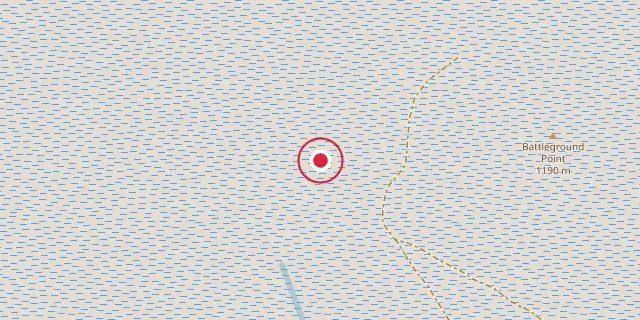
Coordinates: 39°42′47″N 118°39′22″W (39.7130, -118.6560) · Open in OpenStreetMap
Coordinates and connected clubs: the infobox of Wikipedia: Carson River (CC BY-SA 4.0). Map: drawn by Codexery from OpenStreetMap tiles.
The Carson River stretches 205 miles through five counties in California and Nevada, ending in the endorheic Carson Sink. It was named for Kit Carson, who guided John C. Frémont's expedition westward up the Carson Valley and across Carson Pass in the winter of 1844. On October 30, 1990, the river was placed on the National Priorities List as the Carson River Mercury Superfund site, following investigations that found trace amounts of mercury in wildlife and watershed sediments.
History
Archaeological evidence places the eastern border of the prehistoric Martis people in the Reno/Carson River area, with the first humans entering about 12,000 years ago. By the early 1800s, the Northern Paiute lived near the lower Carson River and the Stillwater National Wildlife Refuge, while the Washoe people inhabited the upper watershed. The Carson River watershed was shared territory between these tribes. The Northern Paiute band along the Carson River was known as "Toituked" in the Shoshone language, and the Washoe in the Carson Valley were called "Pau wa lu.
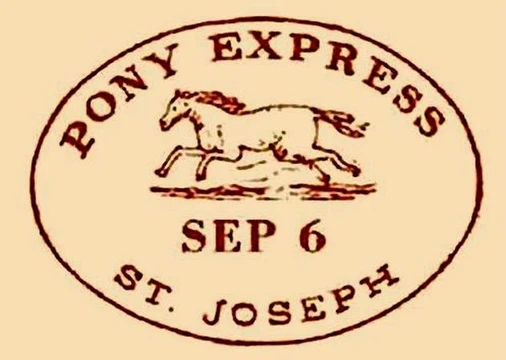
Indigenous peoples depended on the river for fish, waterfowl, plant materials, and water. Displacement began with European settlements in 1851 at Mormon Station (now Genoa) and at the mouth of Gold Canyon (Dayton). In the 1850s and 1860s, the river served as the route of the Carson Trail, a branch of the California Trail, and was used by the Pony Express. Gold was discovered in the Silver Mountain Mining District in 1860.
Virginia City, in the lower watershed, was home to the Comstock Lode silver rush of 1859. The Carson Valley provided food and forage for miners.
The Comstock boom caused deforestation, mine tailings, and steep riverbanks, and led to high mercury concentrations. The Newlands Reclamation Act brought irrigation water, and the Lahontan Dam was completed in 1914 as part of the Newlands Irrigation Project. The Truckee–Carson Irrigation District formed in 1918 to divert water from the Truckee River to the Carson Valley.
Carson River mercury superfund site
The Carson River basin from New Empire to Stillwater and the Carson Sink was designated a National Priority Listed site under CERCLA in August 1990, making it Nevada's only NPL site. Millions of pounds of mercury were imported and used in approximately 250 Comstock mills to recover gold and silver, with an estimated 14,000,000 pounds lost to the environment. Arsenic and lead, common constituents of the ore, were also released. The contaminants of concern are mercury, arsenic, and lead, which are known or suspected carcinogens.
Mercury is the primary concern, with inorganic mercury (Hg2+) and organic methylmercury (MeHg) present. MeHg is produced by bacteria and can be ingested by wildlife, leading to bioaccumulation and biomagnification. Routes into the human body include direct contact with soils and ingestion, or eating fish and waterfowl from the area. Small children are at highest risk.
Signs of mercury poisoning affect the kidneys, central nervous system, and development. Studies found no direct evidence of increased metals in human blood, hair, or urine, but elevated levels in fish and waterfowl, some among the highest in the nation. Human health impacts would occur slowly over years.
Ecology
The Stillwater National Wildlife Refuge in the lower watershed hosts large breeding colonies of white-faced ibis and is frequented by non-breeding American white pelicans. In winter, it supports tundra swans and many ducks and geese. Smaller bird species such as tree swallows and house wrens nest along the river, and research has shown significant mercury concentrations in their livers and eggshells.
The upper watershed provides habitat for the threatened Lahontan cutthroat trout, as well as non-native rainbow and brown trout, offering fly fishing. A pure strain of Lahontan cutthroat exists on 5 miles of the East Fork from the headwaters to Carson Falls. The only native population of Paiute cutthroat trout is found in the drainages of Silver King Creek, a tributary of the East Fork.
Environmental impact
During the Comstock Lode mining operations from 1860 to 1890, extensive mercury was released into the Carson River, Lahontan Reservoir, and Stillwater National Wildlife Refuge. Mercury levels in the river and reservoir range from 100 to 1000 ng/L, considered highly toxic. Organomercurials bioaccumulate, affecting predators with the greatest mercury concentration. Studies on fish-eating birds—adult double-crested cormorants, snowy egrets, and black-crowned night-herons—recorded high mercury toxicity in their kidneys and livers.
Concentrations were also observed in eggs and fledglings but did not affect hatchability; however, levels in fledglings led to induced stress, immune deficiencies, and neurological impairment, potentially decreasing survival rates. Fish species including carp, golden shiners, sucker-fish, and crayfish showed mercury toxicity in samples from four testing sites, with higher levels at the furthest downstream site, indicating accumulation at Lahontan Reservoir.
White bass, a piscivorous species in the reservoir, showed significantly higher mercury concentration than catfish due to diet. Mercury concentrations vary by species, diet, and size, and fish in the reservoir are considered safe but not recommended for human consumption.
Did You Know?
- The East Fork Carson River was designated a 'Wild and Scenic River' by the State of California in 1989 from Hangman's Bridge to the Nevada border.
- The Carson River watershed encompasses 3,966 square miles and includes two major forks in the Sierra Nevada.
More in Pony Express
Sources
Compiled from Wikipedia and the sources listed below. Text from Wikipedia is available under CC BY-SA 4.0; this entry is adapted from it.
- Wikipedia: Carson River (CC BY-SA 4.0).
Spotted an error? Know more?
Reader corrections go straight into our review queue. Suggest an edit · How this site is sourced