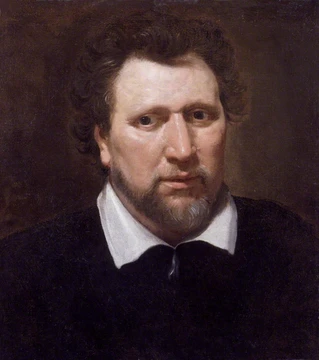
Carlo Goldoni
Italian playwright and librettist who reformed comedy with wit and honesty.
Last updated

via Wikipedia: Carlo Goldoni · see source
Born on 25 February 1707 and dying on 6 February 1793, Carlo Osvaldo Goldoni was a playwright and librettist who came from the Republic of Venice.[1] The plays of Goldoni are valued for a clever fusion of humor and sincerity, frequently portraying the existence and struggles of the rising bourgeoisie.[2]
Key facts and history
His operatic works include Il filosofo di campagna (1752) and La buona figliuola (1760), two of the most successful musical comedies of the eighteenth century.[3] Among his French plays, the most successful was Le bourru bienfaisant, premiering on 4 February 1771.[4] Goldoni retired to Versailles in 1769, receiving a pension from the King, which he lost after the French Revolution.[4] In his memoirs, Goldoni stated that the "Arcadians of Rome" gave him the pen name and title Polisseno Fegeio, Pastor Arcade, which he used for his writings.[2]
Over twenty of Goldoni's librettos had music composed for them by Galuppi.[3]
What the cited sources add
It won the Gold Remi Award at the 42nd WorldFest in Houston, Texas.[5] The docu-drama alternates between fictional scenes, present-day theatrical productions, and interviews with renowned actors and stage directors.[5] The film's account states Goldoni's reform did away with masks and improvisation of Commedia dell'Arte, favoring characters from real life such as the middle classes.[5] Goldoni's last Carnival in Venice was in 1762, before his departure for Paris, where he spent the last 31 years of his life.[5]
Alessandro Bettero directed the 2007 film "Carlo Goldoni – Venice, Grand Theatre of the World".[6][5]
References
- Wikipedia, "Carlo Goldoni" (CC BY-SA 4.0), which cites: ; (original not read by us) en.wikipedia.org
- Wikipedia, "Carlo Goldoni" (CC BY-SA 4.0), which cites: Goldoni, "Memoirs of Goldoni", Henry Colburn, 1814, p. 331 (original not read by us) en.wikipedia.org
- Wikipedia, "Carlo Goldoni" (CC BY-SA 4.0), which cites: Banham (1998, 433). (original not read by us) en.wikipedia.org
- Wikipedia, "Carlo Goldoni" (CC BY-SA 4.0), which cites: Richards 1995; title page of Le bourru bienfaisant.; Richards 1995. (original not read by us) en.wikipedia.org
- "Carlo Goldoni Venezia Gran Teatro del Mondo – Carlo Goldoni Venice Grand Theatre of the World", goldonithemovie.com. facts only, no text reused. web.archive.org
- Wikipedia, "Carlo Goldoni" (CC BY-SA 4.0), which cites: "Carlo Goldoni Venezia Gran Teatro del Mondo – Carlo Goldoni Venice Grand Theatre of the World", goldonithemovie.com (we also read that source) en.wikipedia.org
Each numbered sentence above was checked against the source it cites before publication. Sentences citing Wikipedia adapt text from the English Wikipedia article Carlo Goldoni (contributors), used under CC BY-SA 4.0; this entry is available under the same licence. Other sources were used for facts only; no text or images are copied from them.
Also in the Codexery
More in Playwrights And Dramatists
Sources
Compiled from Wikipedia and the sources listed below. Text from Wikipedia is available under CC BY-SA 4.0; this entry is adapted from it.
- Wikipedia: Carlo Goldoni (CC BY-SA 4.0).
Spotted an error? Know more?
Reader corrections go straight into our review queue. Suggest an edit · How this site is sourced