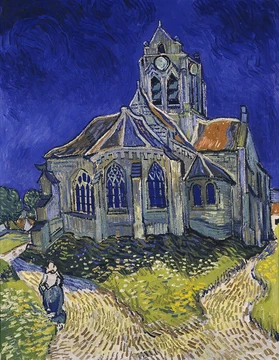
Illustration
Visual explanation of text, concept, or process.
Last updated
Illustration is a decoration, interpretation, or visual explanation of a text, concept, or process, designed for integration in print and digitally published media such as posters, flyers, magazines, books, teaching materials, animations, video games, and films. Typically created by an illustrator, illustration also means providing an example, either in writing or in picture form. The origin of the word 'illustration' is late Middle English, from Latin 'illustrare'. Contemporary illustration employs a wide range of styles and techniques, including drawing, painting, printmaking, collage, montage, digital design, multimedia, and 3D modelling.
Technical and scientific illustration
Depending on its purpose, an illustration may be expressive, stylised, realistic, or highly technical. Specialist areas include architectural, archaeological, botanical, fashion, medical, narrative, and scientific illustration, as well as concept art, information graphics, and picture books. Technical and scientific illustration, for instance, communicates information to a nontechnical audience through exploded views, cutaways, reconstructions, and diagrams, aiming to generate expressive images that convey information via the visual channel.
In contemporary practice, 2D and 3D software are often used to create accurate representations that can be updated and reused. Historically, the art of illustration is closely linked to printing and publishing. Early examples include the hand-drawn illuminations of medieval codices and woodcuts after the printing press.
19th century
Notable early illustration comes from ancient Egypt, such as hieroglyphs in the Tomb of Pharaoh Seti I. In 1600s Japan, Ukiyo-e emerged, an influential style using ink-brushed wood block printing to depict folk tales, popular figures, and everyday life. In Europe, engraving and etching dominated the 16th and 17th centuries, while lithography improved reproduction quality by the early 19th century. Notable 19th-century illustrators included John Leech, George Cruikshank, Hablot Knight Browne, and Honoré Daumier, who contributed to satirical and serious publications. The British magazine Punch employed illustrators such as Sir John Tenniel and the Dalziel Brothers, and was the first to use the term "cartoon" for a humorous illustration.
Quick Facts
- Field
- Visual communication and art
- Known for
- Decoration
- interpretation
- and visual explanation of texts and concepts
- Key historical mediums
- Woodcuts
- engraving
- etching
- lithography
- digital design
Facts from the source article.
Lore & Background
Historically, the art of illustration is closely linked to the industrial processes of printing and publishing. The illustrations of medieval codices were known as illuminations, hand-drawn and painted. With the invention of the printing press during the 15th century, books became more widely distributed and often illustrated with woodcuts. Some of the earliest illustrations come from ancient Egypt, often as hieroglyphs, with a classic example from the Tomb of Pharaoh Seti I, c. In 1600s Japan, Ukiyo-e originated, an influential illustration style using ink-brushed wood block printing, with Hokusai's 'The Great Wave off Kanagawa' as a famous image.
Reader's Guide
Illustration has evolved from hand-drawn illuminations and woodcuts to encompass a wide range of styles and techniques, including drawing, painting, printmaking, collage, montage, digital design, multimedia, and 3D modelling. Specialist areas include architectural, archaeological, botanical, fashion, medical, narrative, and scientific illustration. Technical and scientific illustration communicates information to a nontechnical audience, often using 2D and 3D software. In the art world, illustration was once considered less important than graphic design and fine art, but due to the growth of the graphic novel and video game industries, it is now becoming a valued art form.
More in Performing Arts & Crafts
Sources
Compiled from Wikipedia and the sources listed below. Text from Wikipedia is available under CC BY-SA 4.0; this entry is adapted from it.
- Wikipedia: Illustration (CC BY-SA 4.0).
Spotted an error? Know more?
Reader corrections go straight into our review queue. Suggest an edit · How this site is sourced