
Giant Baba
The giant who built a wrestling empire.
Last updated

Unknown photographer · Public domain
Shohei "Giant" Baba was a Japanese professional wrestler, promoter, and professional baseball player. He is best known as a co-founder of All Japan Pro Wrestling (AJPW) in 1972, and was the promotion's top star, booker, promoter, head trainer, and president until his death in 1999.
Lore & Background
Baba was born on January 23, 1938, in Sanjo, Niigata Prefecture. He suffered from gigantism and excelled at baseball, joining the Yomiuri Giants in 1955. After a brain tumor surgery in 1957, he played two more seasons before being released in 1959. He tried out for the Taiyo Whales in 1960 but retired after an injury.

He then trained in the Japan Pro Wrestling Alliance (JWA) and debuted on September 30, 1960. He formed the tag team "B-I Cannon" with Kanji "Antonio" Inoki, winning the NWA International Tag Team Championship twice. Baba co-founded AJPW in 1972 and became a four-time PWF World Heavyweight Champion, three-time NWA International Heavyweight Champion, and three-time NWA World Heavyweight Champion. He was a record seven-time winner of the Champion Carnival.
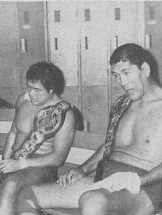
From the Mound to the Dojo: An Unlikely Origin
Shohei Baba entered the world on January 23, 1938, in the quiet town of Sanjo, Niigata Prefecture, as the youngest son of Kazuo and Mitsu Baba. For much of his early school years he was among the smallest boys in his class, but a dramatic growth spurt around fifth grade transformed his frame. By ninth grade he had reached 175 centimeters, and by sixteen he stood a towering 190 centimeters—a condition soon identified as gigantism.
Despite his extraordinary size, Baba was a gifted baseball pitcher. A single practice game in which he struck out eighteen batters drew tabloid attention and caught the eye of Nippon Professional Baseball scouts. In 1954, Yomiuri Giants executive Hidetoshi Genkawa persuaded the teenager to leave high school and join the club full-time.
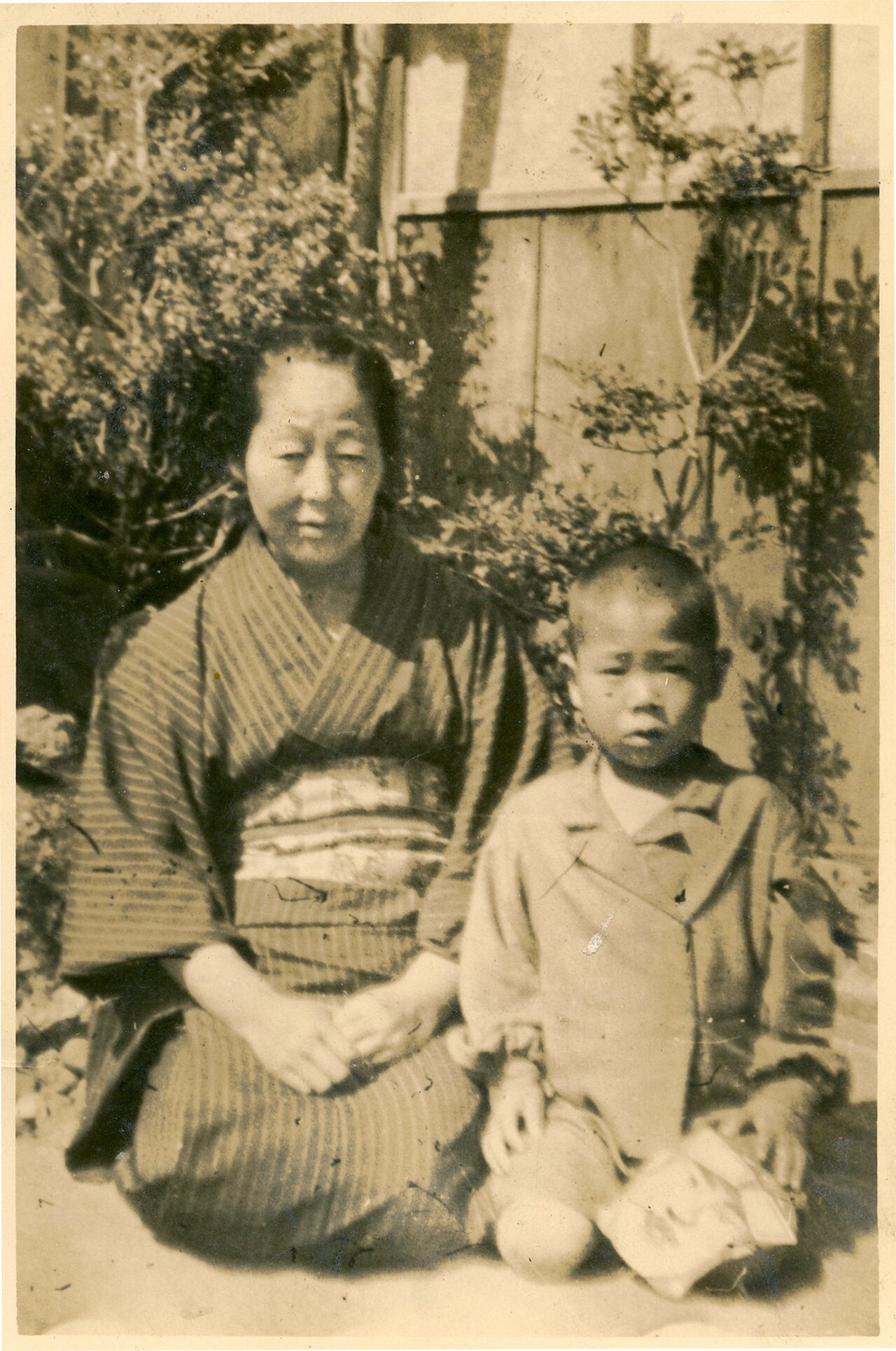
He began pitching in January 1955. Yet his baseball path was cut short by a brain tumor discovered in 1957, a fall that required seventeen stitches in his elbow, and ultimately a release from the Giants in 1959. With the diamond behind him, Baba turned to the world Rikidōzan had already suggested: professional wrestling.
Building an Empire: The Founding of All Japan
When Rikidōzan passed away and the Japan Pro Wrestling Alliance began to crumble, Baba found himself at a crossroads. After a turbulent period in which Antonio Inoki attempted a hostile takeover of the JWA in late 1971 and was subsequently fired, Baba simply chose not to renew his contract. In 1972, alongside Mitsuo and Yoshihiro Momota—the sons of his late mentor—he co-founded All Japan Pro Wrestling. From that founding moment until his death in 1999, Baba occupied virtually every leadership seat in the promotion simultaneously: top star, booker, head trainer, president, and public face.
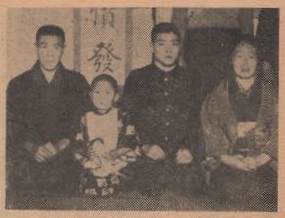
He personally recruited much of the roster that would define AJPW's identity. His in-ring accomplishments during that era were staggering: a record seven Champion Carnival titles, four PWF World Heavyweight Championships, three NWA World Heavyweight Championships, and three NWA International Heavyweight titles. For the promotion's first decade he was its undisputed centerpiece, and his name remained synonymous with All Japan long after that.
A National Hero in the Ring
In the landscape of Japanese sports, few figures achieved a level of cultural penetration comparable to Giant Baba. He is widely regarded as one of the most beloved professional wrestlers the country has ever produced, and his popularity within Japan is often likened to the status Hulk Hogan held in the United States—a household name whose image transcended the sport itself. This affection was not merely a product of his in-ring performances but also of his decades-long role as the public face and guiding hand of All Japan Pro Wrestling, a position he held from 1972 until his passing in 1999.
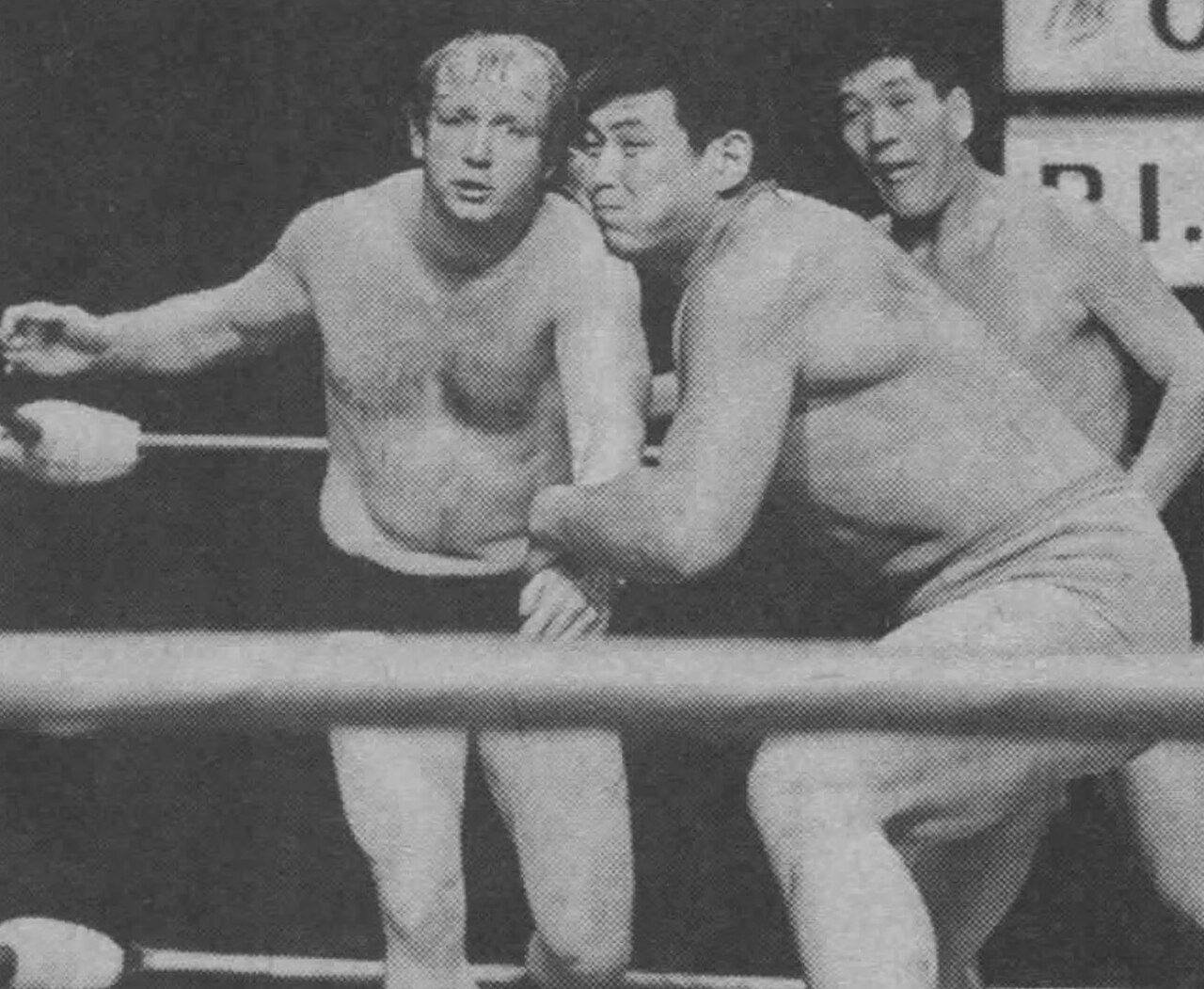
The depth of his cultural standing was formally acknowledged in 2006, when a nationwide public poll ranking the Top 100 Historical Persons in Japan placed Baba at number ninety-three. For a professional wrestler, that ranking is extraordinary. It reflected not just athletic achievement but a lifetime of service to the sport, a mentorship lineage stretching back to Rikidōzan, and a personal brand that became inseparable from the identity of Japanese professional wrestling itself.
Trials That Forged a Legend
Baba's path to stardom was punctuated by moments that could easily have ended his career or his life. In December 1957, still a young pitcher, he underwent a craniotomy at the University of Tokyo Hospital to remove a brain tumor. The procedure carried a very low success rate at the time, and his surgeon warned him he would likely lose his eyesight entirely. The operation succeeded, and he was discharged after just one week, returning to spring training with a bandage wrapped around his head.
Years later, after a brief stint with the Taiyo Whales in 1960, a fall in his new Kawasaki apartment sent him crashing into a shower glass door, requiring seventeen stitches in his left elbow and temporarily robbing him of feeling in his hand. He retired from baseball almost immediately. In the wrestling world, the bitter split with Antonio Inoki over the future of the JWA in 1971–72 threatened to scatter the very talent pool that would become All Japan. Yet Baba emerged from each of these crises not diminished but resolved, ultimately building something that outlasted them all.
Reader's Guide
Baba is considered one of the most beloved Japanese wrestlers, a national hero with popularity comparable to Hulk Hogan in the United States. He was ranked 93rd in the 2006 Top 100 Historical Persons in Japan survey. He wrestled 3,000 consecutive matches from his debut to April 1984. He focused on training younger wrestlers like Jumbo Tsuruta and Atsushi Onita, and invited foreign stars such as Dory Funk, Bruiser Brody, Abdullah the Butcher, and Stan Hansen.
Frequently Asked Questions
Who is Giant Baba?
Giant Baba was the ring name of Shohei Baba, a Japanese professional wrestler, promoter, and former baseball player born in 1938 in Sanjo, Niigata Prefecture. He is widely regarded as a national sports hero in Japan for his decades of leadership in professional wrestling.
When did Giant Baba die and what did his passing mean for AJPW?
He passed away on January 31, 1999, just eight days after his 61st birthday. His death ended his tenure as AJPW president and marked the close of an era in Japanese professional wrestling.
More in People with gigantism
Sources
Compiled from Wikipedia and the sources listed below. Text from Wikipedia is available under CC BY-SA 4.0; this entry is adapted from it.
- Wikipedia: Giant Baba (CC BY-SA 4.0).
Spotted an error? Know more?
Reader corrections go straight into our review queue. Suggest an edit · How this site is sourced