Frequently Asked Questions
The most-asked questions about pc gaming brands and manufacturers, part 2.
What does Part 2 of this encyclopedia cover?
Part 2 shifts focus away from the headline GPU and CPU makers explored in Part 1 and instead profiles the surrounding ecosystem: peripheral brands, motherboard makers, memory and storage suppliers, power-supply specialists, case and cooling companies, and prebuilt-system vendors.
Who are the dominant gaming peripheral manufacturers?
Razer, Logitech G, and SteelSeries collectively account for the majority of the gaming keyboard, mouse, headset, and controller market. Each differentiates through software suites, build quality, and niche product lines such as Razer's Chroma RGB or Logitech's ergonomic designs.
Where should a complete beginner start when choosing PC gaming hardware?
Begin by selecting a GPU and CPU that fit your budget, then pick a compatible motherboard, followed by RAM, storage, a power supply with adequate wattage, and finally a case that fits your component sizes. Consulting a parts-finder tool before purchasing helps avoid compatibility surprises.
Which companies make most consumer motherboards?
ASUS, MSI, and Gigabyte are the three dominant board suppliers for the retail and enthusiast market, each offering tiered lines from budget B-series boards to high-end X-series and TRX-series platforms. Smaller players like ASRock and Biostar serve specific regional or value segments.
Why is Corsair frequently mentioned across multiple hardware categories?
Corsair is one of the few brands that sells RAM, cases, power supplies, liquid coolers, and even prebuilt gaming systems under a single name, giving it a broad footprint in the custom-build space. Its Vengeance and Dominator RAM lines in particular have become near-synonymous with enthusiast memory.
What makes Seasonic stand out among power-supply brands?
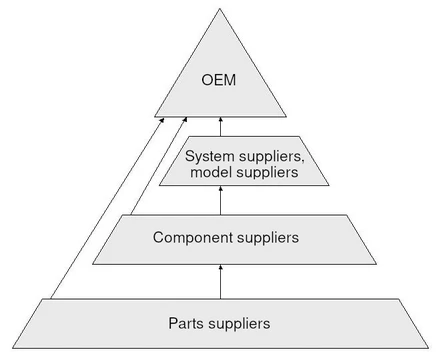
Seasonic is widely considered a benchmark for PSU longevity, efficiency, and quiet operation, and it has long served as a white-label OEM for other brands' units. Enthusiast communities often treat a Seasonic unit as the default 'safe pick' when building a system.
Are there notable individual figures associated with PC gaming hardware brands?
Unlike game studios with well-known creative directors, the hardware side is more corporate, though names like ASUS co-founder Hsiao and MSI's long-tenured leadership have shaped brand direction over decades. Community figures such as well-known PC-build YouTubers and forum moderators also influence brand perception significantly.
What are some landmark moments in the history of PC gaming component brands?
The mid-2000s AMD-versus-NVIDIA GPU rivalry, the mid-2010s RGB aesthetic wave that reshaped case and RAM design, and the 2020-era transition from DDR4 to DDR5 each triggered major product cycles across nearly every manufacturer. The 2022 GPU shortage also exposed supply-chain vulnerabilities and boosted the visibility of smaller brands.
How do I choose between RAM and SSD brands?
For memory, Kingston, Crucial, and Corsair cover most needs, with Crucial often favored for value and Corsair for high-frequency kits. For NVMe storage, Samsung and Western Digital (WD Black/SN series) lead in performance, while Kingston's NV2 line targets the budget tier.
What is the practical difference between prebuilt-system brands and component brands?
Prebuilt vendors like Alienware (Dell), HP Omen, and Lenovo Legion sell complete, supported machines with integrated warranties, which suits buyers who want a single point of contact. Component brands like ASUS, Corsair, and Seasonic sell individual parts, giving builders more control and upgrade flexibility but requiring them to handle assembly and troubleshooting themselves.