Neuropathic pain
Pain from nervous system damage, often burning or electric.
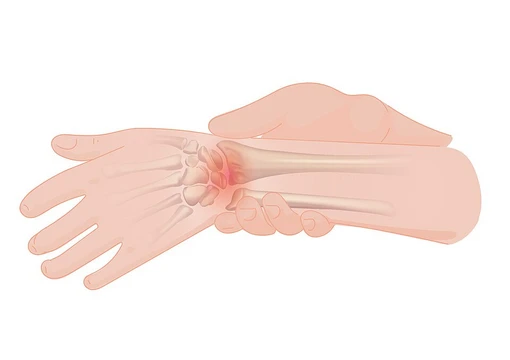
Neuropathic pain is pain arising from a lesion or disease of the somatosensory nervous system. It may involve abnormal sensations such as allodynia and can have continuous or episodic components resembling stabbings or electric shocks. Up to 7–8% of the European population is affected, with severe pain in about 5% of persons.
Quick Facts
- Frequency
- 4.1%-12.4% (12-month prevalence, US adults)
- Duration
- Variable
- Field
- Neurology and psychiatry
Facts from the source article.
Did You Know?
- The first formal description of neuralgia was made by John Fothergill (1712–1780).
- The word 'neuropathy' was first used by Gordon in a 1924 article entitled 'Clinical Lecture on Lead Neuropathy'.
- Medieval scholars such as Rhazes, Haly Abbas and Avicenna described nerve-originated pain as 'vaja al asab'.
Diagnosis
Diagnosis relies on pain character, such as sharp stabbing quality, and features like mechanical or cold allodynia. Pain often follows defined dermatomes with limited area. Clinicians seek an underlying nervous system lesion or inciting cause, though such a cause may not always be detectable; response to treatment can serve as a surrogate. MRI may identify underlying lesions, reversible causes, or serious conditions like tumor or multiple sclerosis.
Quantitative sensory testing (QST) is used in research to identify neuropathic pain and its subtypes, and some authorities suggest a future diagnostic role. The gold standard for diagnosing small fiber neuropathy is skin biopsy; electrochemical skin conductance can serve as a screening tool. Symptoms can also arise from brain conditions deemed psychiatric, such as somatic symptom disorder triggered by anxiety or withdrawal from alcohol and other drugs.
Comorbidities
Neuropathic pain has profound physiological effects on the brain, manifesting as psychological disorders. Rodent models suggest chronic pain can directly cause anxiety-depressive symptoms. Depression and neuropathic pain may have a bidirectional relationship. People with neuropathic pain may have difficulty working, with higher presenteeism, absenteeism, and unemployment, and may exhibit higher substance misuse and social interaction difficulties. Uncontrolled neuropathic pain is a significant risk factor for suicide. Certain types, such as trigeminal neuralgia, can cause severe crises requiring hospital admission. When comorbid with cancer, neuropathic pain can limit doses of certain chemotherapeutics.
Treatments
Neuropathic pain is difficult to treat, with only 40–60% of people achieving partial relief. First-line treatments include certain antidepressants (tricyclic antidepressants and serotonin–norepinephrine reuptake inhibitors) and anticonvulsants (pregabalin and gabapentin). Opioids are not recommended as first-line but may be useful in some cases. Pregabalin and gabapentin may reduce diabetic neuropathy pain.
Carbamazepine and oxcarbazepine are especially effective in trigeminal neuralgia; carbamazepine inhibits voltage-gated sodium channels. Gabapentin may reduce symptoms in some people, but a short trial is suggested as no test predicts effectiveness. Lamotrigine is not useful for most patients. Duloxetine, amitriptyline, and nortriptyline are first-line.
Opioids like tramadol may be useful for sudden severe pain, but long-term benefit is unclear. Some opioids (levorphanol, methadone, ketobemidone) also possess NMDA receptor antagonism; d-methadone acts as an NMDA receptor antagonist without opioid agonist action.
Proposed mechanistic basis for neuropathic pain
The underlying pathophysiology remains contested. Some forms involve central nervous system lesions, such as thalamic pain from cerebrovascular events; others have peripheral inciting injuries. Current understanding relies mainly on rodent models. In peripheral lesions, intact neurons may become unusually sensitive with spontaneous pathological activity. Ectopic activity arises in peripheral nociceptors, partly due to changes in ion channel expression: increased voltage-gated sodium and calcium channels support action potential generation, while decreased potassium channels reduce opposition to excitability. Central mechanisms involve hypersensitized neurons, activated glia, and loss of inhibitory tone in pathways from the spinal cord through the spinothalamic tract to the thalamus and cerebral cortex.
More in Pain
Spotted an error? Know more?
Reader corrections go straight into our review queue. Suggest an edit · How this site is sourced