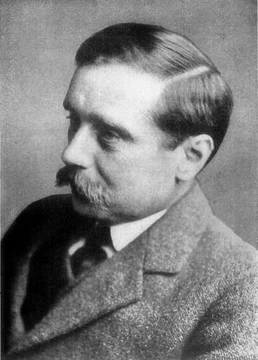
The Bulpington of Blup
A character study of psychological resistance to Wellsian ideology.
The Bulpington of Blup is a 1932 novel by H. G. Wells that examines psychological resistance to his ideology, influenced by Carl Gustav Jung. Its protagonist, Theodore Bulpington, is dominated by a heroic self-image he calls 'The Bulpington of Blup,' which leads him to embrace falsehood. The novel was partly inspired by Ford Madox Ford and is dedicated to Odette Keun.
Quick Facts
- Title orig
- The Bulpington of Blup: Adventures
- Poses
- Stresses
- Conflicts
- and Disaster in a Contemporary Brain
- Author
- H. G. Wells
- Illustrator
- George Picken
- Country
- United Kingdom
- Language
- English
- Publisher
- Hutchinson & Co.
- Released
- 1932
- Pages
- 414
Facts from the source article.
Frequently Asked Questions
Who published The Bulpington of Blup?
The Bulpington of Blup was published by Hutchinson & Co.
Who illustrated The Bulpington of Blup?
The Bulpington of Blup was illustrated by George Picken.
How many pages is The Bulpington of Blup?
The Bulpington of Blup has 414 pages.
More in Novels by H. G. Wells
Spotted an error? Know more?
Reader corrections go straight into our review queue. Suggest an edit · How this site is sourced
Comments
Loading…