Dermatophyllum secundiflorum
A fragrant, toxic shrub with showy flowers and orange seeds.
Dermatophyllum secundiflorum is a flowering shrub or small tree in the family Fabaceae, native to the Southwestern United States and Mexico. It is known by common names such as Texas mountain laurel, Texas mescalbean, and frijolito. The plant is notable for its fragrant purple flowers and toxic, psychoactive seeds.
Quick Facts
- Species
- secundiflorum
Facts from the source article.
Description
This slow-growing evergreen rarely forms a single straight trunk. Its pinnately compound leaves feature small, thick, spatulate leaflets with a waxy feel. Bark stays smooth except on very old trees. Mature specimens reach about 15 feet tall with a 10-foot-wide crown. In March and April, large clusters of extremely fragrant purple flowers bloom, smelling like grape soda. These give way to 4-inch pods holding bright orange or red seeds.
Uses
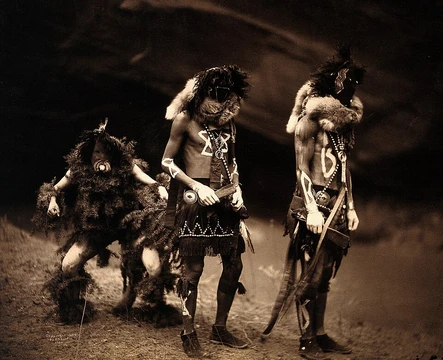
D. secundiflorum is grown as an ornamental plant for its showy flowers and orange seeds. Its reddish wood has potential use but little commercial value. Some Native American tribes historically used the seeds as a recreational drug before peyote became more common. The plant is psychoactive but extremely toxic due to the bicyclic alkaloid cytisine, which is chemically related to nicotine; a single seed can kill an adult.
More in Native American Religion
Spotted an error? Know more?
Reader corrections go straight into our review queue. Suggest an edit · How this site is sourced