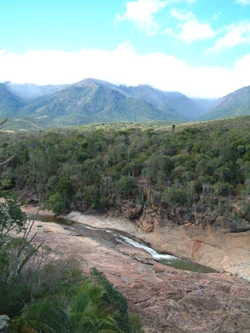
Andasibe-Mantadia National Park
A rainforest haven for lemurs and endemic species, just three hours from Antananarivo.
Last updated

Smiley.toerist · CC BY-SA 4.0
Andasibe-Mantadia National Park is a 155 square kilometre protected area in eastern Madagascar's Alaotra-Mangoro Region.[1] Elevation in the park varies between 800 and 1260 meters, and the area experiences 1700 mm of precipitation spread across 210 days annually.[1]
Geography and history
Special transport must be arranged to reach Mantadia, which is about 17 km north of Andasibe.[2][3] In 2025, UNESCO designated the park as a biosphere reserve.[4][5] Situated roughly 150 km east of Antananarivo, the park is accessible via a three-hour drive along the paved Route Nationale 2, making it one of the most convenient parks to reach from the capital.[1][2] Historically, the Analamazaotra Special Reserve was part of a larger Mantadia National Park that also encompassed the Maromizaha Classified Forest and Anosibe an'ala.[6]
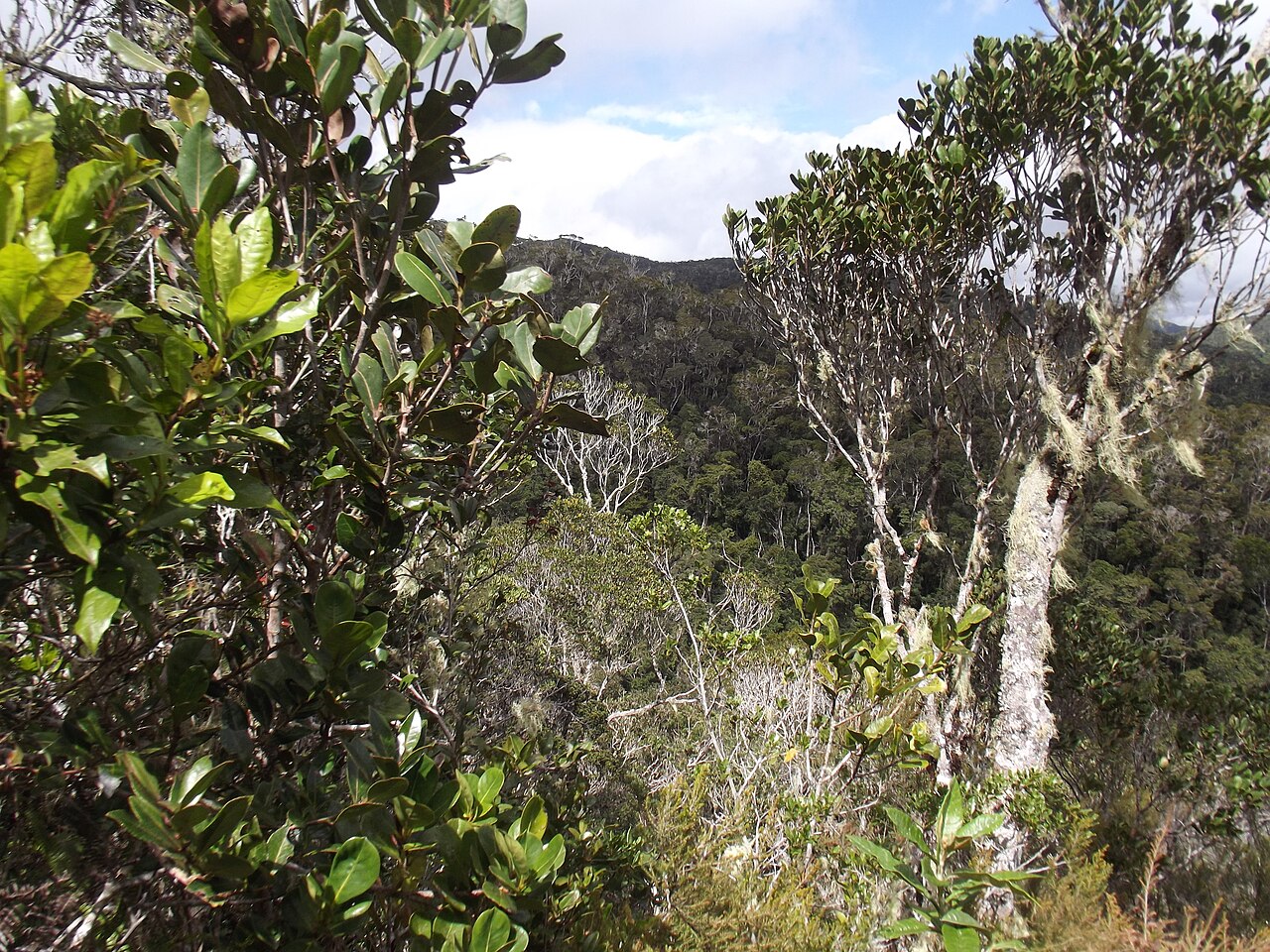
Subsequent logging and agricultural deforestation have caused these forest areas to become separated from one another.[6] Both sections of the park offer hiking opportunities that last from one hour up to six hours.[2] Anyone entering either part of the park must be accompanied by a local guide.[2] Visitors can acquire permits and hire guides at the MNP office located in Parc National Analamazaotra.[3]
What the cited sources add
The Lonely Planet guide notes that Mantadia is about 17 km north of Andasibe and that camping requires bringing all equipment.[3] The UNESCO press release of 27 September 2025 confirms the park's biosphere reserve designation during the 37th session of the Man and the Biosphere Programme's council.[5] The Madagascar Biodiversity Partnership and Omaha's Henry Doorly Zoo initiated the Analamazaotra Re-introduction/Translocation project in 2006.[7] This project relocates lemurs from threatened areas to the Analamazaotra Special Reserve following IUCN guidelines.[7]
The project has produced two generations of lemur babies born at the park and provides two local guides.[7]
References
- Wikipedia, "Andasibe-Mantadia National Park" (CC BY-SA 4.0), which cites: Bradt, "Madagascar: The Bradt Travel Guide", Bradt Travel Guides, 2002, p. 307–311 (we also read that source) en.wikipedia.org
- Wikipedia, "Andasibe-Mantadia National Park" (CC BY-SA 4.0), which cites: Lonely Planet - Parc National de Mantadia (we also read that source) en.wikipedia.org
- Lonely Planet - Parc National de Mantadia. facts only, no text reused. lonelyplanet.com
- Wikipedia, "Andasibe-Mantadia National Park" (CC BY-SA 4.0), which cites: "26 new Biosphere Reserves: UNESCO's continues unprecedented expansion of its global network", UNESCO, 27 September 2025 (we also read that source) en.wikipedia.org
- "26 new Biosphere Reserves: UNESCO's continues unprecedented expansion of its global network", UNESCO, 27 September 2025. facts only, no text reused. unesco.org
- Wikipedia, "Andasibe-Mantadia National Park" (CC BY-SA 4.0), which cites: Bradt, "Madagascar: The Bradt Travel Guide", Bradt Travel Guides, 2002, p. 307–311; "Andasibe", Madagascar Biodiversity Partnership (we also read that source) en.wikipedia.org
- Wikipedia, "Andasibe-Mantadia National Park" (CC BY-SA 4.0), which cites: "Andasibe", Madagascar Biodiversity Partnership (original not read by us) en.wikipedia.org
Each numbered sentence above was checked against the source it cites before publication. Sentences citing Wikipedia adapt text from the English Wikipedia article Andasibe-Mantadia National Park (contributors), used under CC BY-SA 4.0; this entry is available under the same licence. Other sources were used for facts only; no text or images are copied from them.
More in National parks of Madagascar
Sources
Compiled from Wikipedia and the sources listed below. Text from Wikipedia is available under CC BY-SA 4.0; this entry is adapted from it.
- Wikipedia: Andasibe-Mantadia National Park (CC BY-SA 4.0).
- Word definitions: the Codexery glossary, each quoted from its Wikipedia article.
Spotted an error? Know more?
Reader corrections go straight into our review queue. Suggest an edit · How this site is sourced