
Fairy tale
A short folklore story featuring magic and mythical beings.

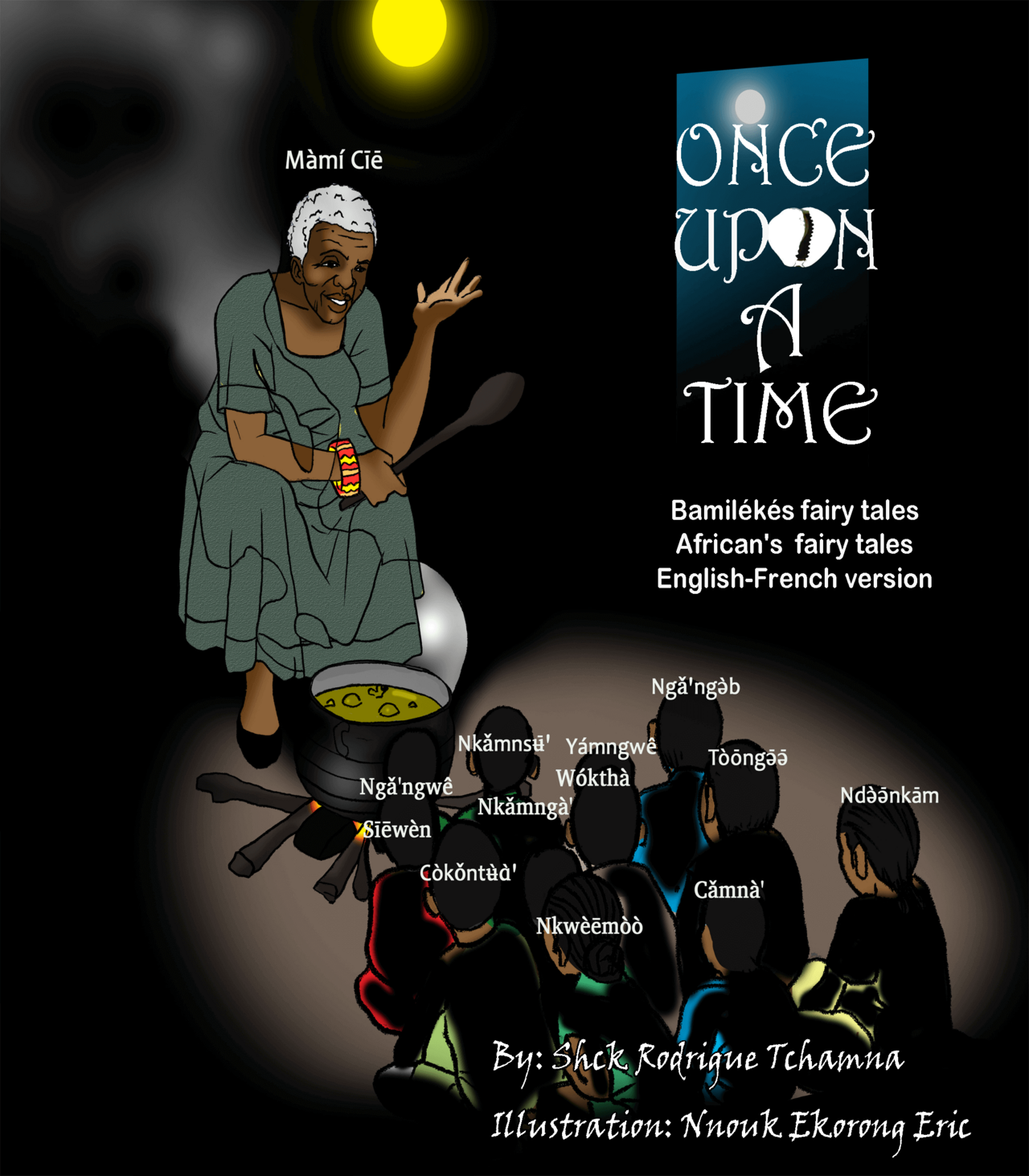
Tchamnarodrigue · CC BY-SA 4.0
A fairy tale—also called a fairy story, household tale, magic tale, or wonder tale—is a short piece of folklore. These stories usually involve magic, enchantments, and mythical or imaginary beings. In many cultures, the line between myth, folk tale, and fairy tale is blurry; together they make up the literature of societies without writing. Fairy tales differ from legends, which are believed to be true by their tellers, and from moral tales like beast fables. Common elements include dragons, dwarfs, elves, fairies, giants, gnomes, goblins, griffins, merfolk, monsters, royalty, pixies, talking animals, trolls, unicorns, witches, wizards, woodwoses, magic, and enchantments.
In casual use, the term can describe something unusually happy, like a "fairy-tale ending" or "fairy-tale romance." It can also refer to any far-fetched or impossible story. Legends are seen as real within their own culture; fairy tales sometimes blend into legends when both teller and listener consider the story historically true. But unlike legends and epics, fairy tales rarely include more than surface references to religion, real places, people, or events. They happen "once upon a time," not in actual history.
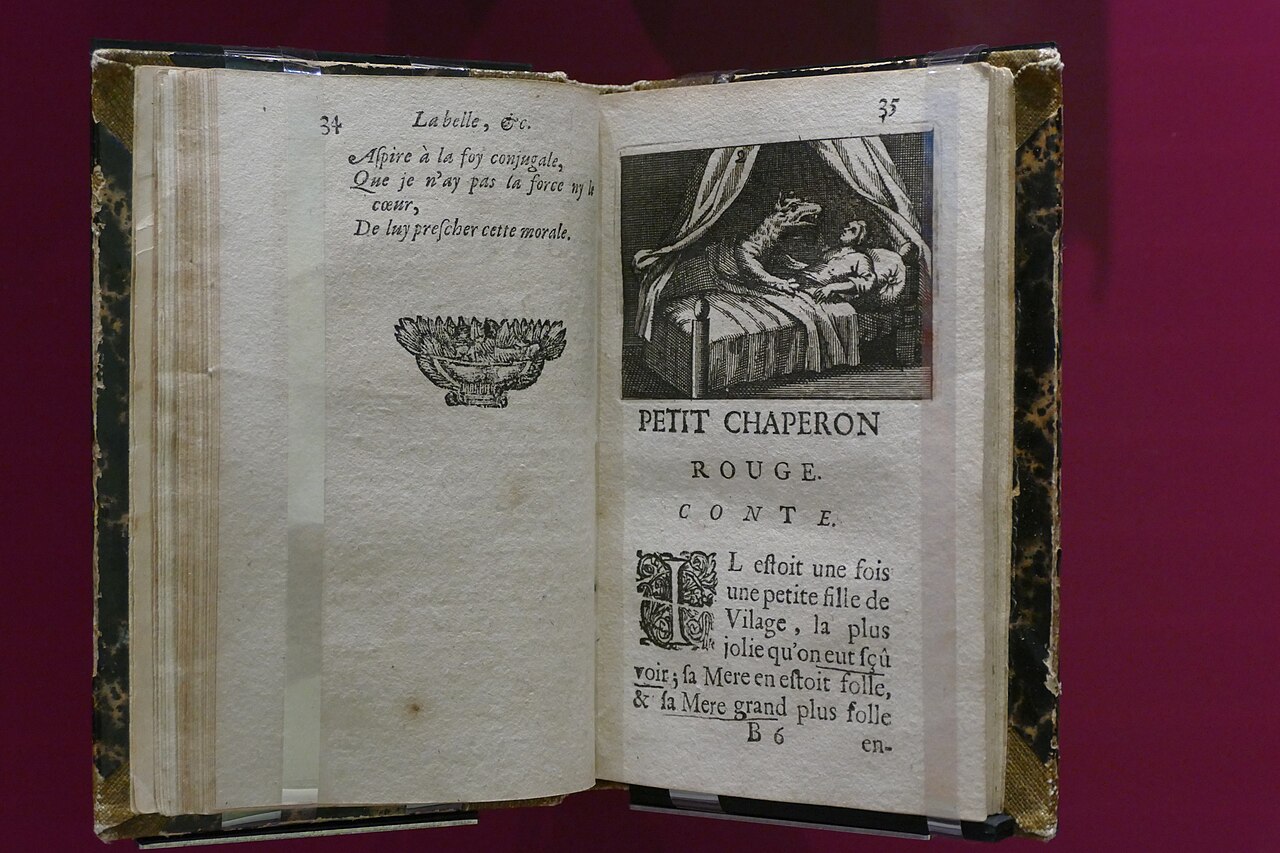
Fairy tales exist in both oral and written forms. The name "fairy tale" (from the French "conte de fées") was first used by Madame d'Aulnoy in the late 1600s. Many modern fairy tales come from centuries-old stories that appear, with variations, across many cultures worldwide.
Tracing the history of fairy tales is tricky because only the written versions often survive. However, researchers at universities in Durham and Lisbon suggest some stories may go back thousands of years, even to the Bronze Age. Fairy tales and works based on them are still being written today.
Folklorists have classified fairy tales in different ways. The Aarne–Thompson–Uther Index and Vladimir Propp’s morphological analysis are two major systems. Other folklorists have offered interpretations of the tales’ meanings, but no single school of thought has become definitive.
Some folklorists prefer the German term *Märchen* or "wonder tale" instead of "fairy tale." This preference is supported by Stith Thompson’s 1977 definition: a tale of some length with a series of motifs or episodes, set in an unreal world without definite location or creatures, filled with the marvelous. In this never-never land, humble heroes defeat enemies, win kingdoms, and marry princesses. Characters and motifs are simple and archetypal: princesses and goose-girls, youngest sons and gallant princes, ogres, giants, dragons, trolls, wicked stepmothers and false heroes, fairy godmothers and magical helpers (often talking animals), glass mountains, and rules that are broken.
Though fairy tales are a distinct genre within folktales, defining them exactly is debated. The term itself comes from Madame d’Aulnoy’s *Conte de fées* (1697). Everyday speech often mixes fairy tales with beast fables and other folktales. Scholars disagree on whether the presence of fairies or similar beings (elves, goblins, trolls, giants, huge monsters, or mermaids) is a key difference. Vladimir Propp criticized the common split between "fairy tales" and "animal tales" because many tales have both fantastic elements and animals. To analyze them, he used all Russian folktales classified as folklore in the Aarne–Thompson–Uther Index (types 300–749), which does make that distinction. His analysis identified fairy tales by plot elements, but this approach has been criticized because it doesn’t work well for tales without a quest, and the same plot elements appear in non–fairy tale works.
Stith Thompson noted that talking animals and magic are more common in fairy tales than fairies themselves. But talking animals alone don’t make a tale a fairy tale, especially when the animal is clearly a human disguise, as in fables. J. R. R. Tolkien, in his essay "On Fairy-Stories," agreed that "fairies" shouldn’t define the genre. He defined fairy tales as stories about human adventures in Faërie—the land of fairies, princes and princesses, dwarves, elves, and other magical beings and marvels. Yet his essay excluded some tales often called fairy tales, like *The Monkey’s Heart*, which Andrew Lang included in *The Lilac Fairy Book*. Steven Swann Jones pointed to magic as the feature that sets fairy tales apart from other folktales. Davidson and Chaudri identified transformation as the key trait. Psychologically, Jean Chiriac argued that the fantastic is necessary in these narratives.
- field
- Folklore genre
- known_for
- Short stories featuring magic, enchantments, and mythical beings; often with a happy ending
- first_named_by
- Madame d'Aulnoy in the late 17th century
- alternative_names
- Märchen, wonder tale, household tale, magic tale
- classification_systems
- Aarne–Thompson–Uther Index, Vladimir Propp's morphological analysis
Lore & Background
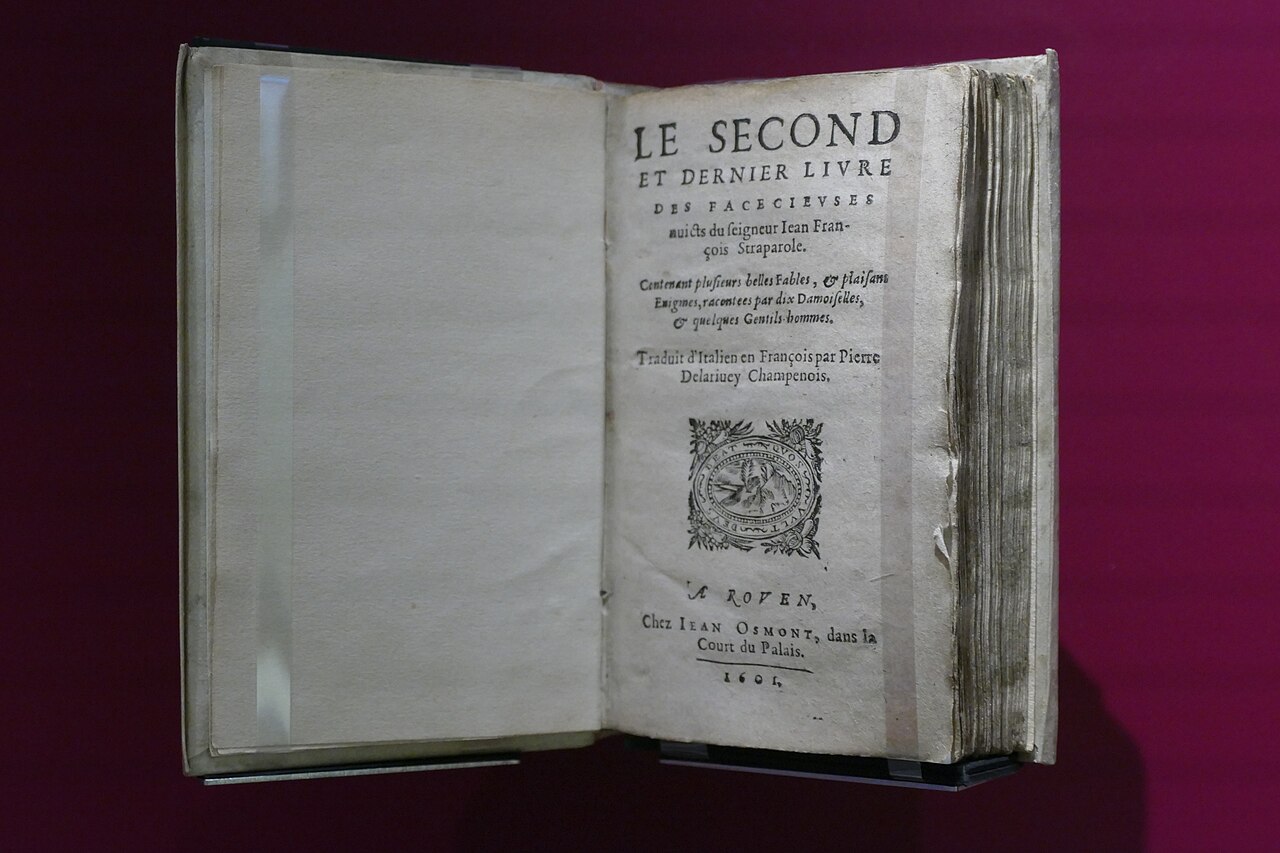
The German term 'Märchen' stems from the old German word 'Mär,' meaning news or tale, and its diminutive form means 'little story.' Together with the common beginning 'once upon a time,' this indicates a fairy tale was originally a little story from a long time ago when the world was still magic. The genre was first marked out by writers of the Renaissance, such as Giovanni Francesco Straparola and Giambattista Basile, and stabilized through later collectors like Charles Perrault and the Brothers Grimm. The Grimm brothers were among the first to try to preserve features of oral tales, though their printed stories were considerably reworked to fit written form.
Reader's Guide
Fairy tales are significant as a distinct genre within folktales, though their definition remains disputed. Folklorists like Vladimir Propp and the Aarne–Thompson–Uther Index have classified them, but no definitive school of interpretation has been established. The tales occur in both oral and literary forms, with literary fairy tales becoming fashionable in the 17th century among aristocratic women as a parlour game. They have evolved from centuries-old stories appearing in multiple cultures, with some possibly dating back thousands of years to the Bronze Age. In less technical contexts, 'fairy tale' describes something blessed with unusual happiness, such as a 'fairy-tale ending,' or colloquially any far-fetched story. Unlike legends, fairy tales usually contain only superficial references to religion and actual places, taking place 'once upon a time' rather than in actual times. The genre's legacy includes influencing fantasy literature, though fantasy is now regarded as distinct.
Did You Know?
- The name 'fairy tale' was first ascribed by Madame d'Aulnoy in the late 17th century.
- Some fairy tales may date back thousands of years, possibly to the Bronze Age, according to researchers at universities in Durham and Lisbon.
- Fairy tales are distinguished from legends, which generally involve belief in the veracity of the events described.
- The Aarne–Thompson–Uther Index and Vladimir Propp's morphological analysis are among the most notable classification systems for fairy tales.
The Endless Debate Over Definition
The fairy tale resists a single, tidy definition. Scholars have wrestled for decades over what separates a true fairy tale from a beast fable, a legend, or a simple moral story. Vladimir Propp dismissed the common split between fairy tales and animal tales, arguing that many narratives contain both magical elements and talking creatures. Yet he still relied on the Aarne-Thompson-Uther Index range of 300 to 749 to build his working set, a cataloguing system that itself drew that very line. J.R.R. Tolkien, in his essay On Fairy-Stories, defined the genre as stories of human adventures in Faërie, the realm of elves, dwarves, and marvels, while simultaneously excluding tales like The Monkey's Heart that Andrew Lang had placed in his Lilac Fairy Book. Stith Thompson observed that magic and talking animals appear more frequently in these stories than fairies themselves, yet a talking animal alone does not make a tale a fairy tale, particularly when the creature functions as a human mask in a fable. Steven Swann Jones pointed to magic as the distinguishing feature, while Davidson and Chaudri emphasized transformation. No single school has settled the question.
Ancient Roots and the Coining of a Name
Tracing the fairy tale's history is notoriously difficult because, for most of its existence, the stories lived only in spoken form, and only the later literary versions have survived. Researchers at universities in Durham and Lisbon have suggested that some of these narratives stretch back thousands of years, with certain tales possibly reaching as far as the Bronze Age. Despite this deep antiquity, the stories were never formally set apart as a distinct genre in their earliest incarnations. The German word Märchen, derived from the older word Mär meaning news or tale, simply meant a little story and carried no special literary connotation. It was not until the late seventeenth century that the French writer Madame d'Aulnoy, in her 1697 collection, first applied the label conte de fées to these narratives, effectively giving the genre its modern French name. From that moment forward, the stories began to be collected, classified, and studied as a recognizable body of literature, even though their oral roots reached far deeper into human history than any single author could claim.
The Archetypal World of Wonders
Fairy tales inhabit a deliberately timeless and placeless landscape, set once upon a time rather than in any identifiable era or geography. This setting distinguishes them sharply from legends, which their own cultures treat as grounded in historical truth, and from epics, which anchor their narratives in real locations and events. In the fairy-tale world, the characters are simple and archetypal: youngest sons, gallant princes, wicked stepmothers, fairy godmothers, ogres, giants, dragons, trolls, and glass mountains. The genre is populated by an extraordinary cast of mythical beings, including dwarfs, elves, gnomes, goblins, griffins, merfolk, pixies, unicorns, witches, wizards, and woodwoses, alongside talking animals and creatures of pure invention. Magic and enchantment permeate every level of the narrative. What unites these elements is a sense of the marvellous, a world where humble heroes slay adversaries, inherit kingdoms, and win princesses, all within a never-never land that Thompson described as having no definite locality and no definite creatures. The stories are filled with prohibitions and the breaking of those prohibitions, creating a narrative engine that feels both ancient and endlessly renewable.
Classification, Interpretation, and the Search for Meaning
Folklorists have developed several frameworks for organizing and understanding fairy tales, yet no single interpretive school has achieved definitive authority. The Aarne-Thompson-Uther Index provides a numerical cataloguing system that groups tales by plot type, while Vladimir Propp's morphological analysis broke narratives down into a sequence of functional plot elements. Propp's method, however, has drawn criticism because it works best for quest-based stories and struggles with tales that lack that structure; moreover, the same plot elements appear in works outside the fairy-tale genre. Beyond classification, scholars have proposed various keys to the tales' significance. Italo Calvino praised the fairy tale as a model of literary quickness, valuing its economy and concision. Jean Chiriac, approaching from a psychological angle, argued that the fantastic element is essential to these narratives. Davidson and Chaudri identified transformation as the genre's central feature. The result is a field rich in competing perspectives but still without a consensus on what fairy tales ultimately mean or why they have persisted across so many cultures and millennia.
Gallery
Frequently Asked Questions
What is a fairy tale as a narrative genre?
A fairy tale is a short folklore narrative built around magic, enchantments, and mythical or fantastical creatures, usually resolving in a happy ending. It sits within the broader storytelling tradition of preliterate societies, blurring the line between myth and everyday tale.
Who first used the term 'fairy tale'?
Madame d'Aulnoy is credited with coining the phrase in the late 17th century. Before her, the same stories circulated under labels like Märchen, wonder tale, household tale, or magic tale.
How do scholars classify and analyze fairy tales?
The Aarne–Thompson–Uther Index assigns numerical codes to recurring plot types across cultures. Vladimir Propp's morphological analysis separately breaks a tale's structure into a sequence of functional narrative units.
What distinguishes a fairy tale from a legend or a beast fable?
Legends are told with an expectation of veracity, whereas fairy tales are openly fanciful and magical. Beast fables, by contrast, carry an explicit moral lesson, which is not a requirement of the fairy-tale form.
What characters and motifs most commonly appear in fairy tales?
The cast typically includes dragons, dwarfs, elves, giants, goblins, merfolk, pixies, and griffins, often set against a backdrop of monarchy. Magic and enchantment serve as the central driving forces of the plot.
More in Narrative Techniques & Genres 1-24
Spotted an error? Know more?
This is a living reference — every entry is fact-audited, and reader corrections feed straight into our audit queue. Suggest an edit · See this site's audit record