Frequently Asked Questions
The most-asked questions about murex snails, part 2.
What is the Murex Snails Fan Encyclopedia, Part 2?
It is a community-written, unofficial reference guide dedicated to the marine gastropod family Muricidae. Part 2 expands on the species profiles, shell morphology, and ecological notes introduced in Part 1, adding deeper dives into regional fauna and conservation topics.
Who puts this encyclopedia together?
A loose collective of shell collectors, marine biology students, and aquarium hobbyists maintain the pages. There is no single editor; contributors submit entries and the community votes on revisions through a shared forum.
Where should a newcomer begin reading Part 2?
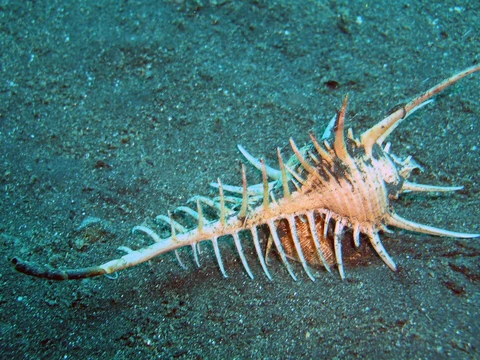
Start with the 'Species at a Glance' table, which lists every covered murex with a one-line description and a shell photo. From there, the 'Habitat & Range' section gives the geographic context you need before tackling individual species pages.
Which murex species gets the most attention in Part 2?
Hexaplex trunculus, the spiny murex, anchors the most pages because of its historical role in producing Tyrian purple dye. Its entry spans shell anatomy, the hypobranchial gland, and modern conservation concerns.
What is the single most-cited fact about murex snails in this guide?
That the ancient Phoenicians harvested them by the thousands to extract a violet-red pigment from a gland near the foot. Part 2 dedicates an entire chapter to the biochemistry of that dye and the ecology of the overharvesting.
How does Part 2 differ from Part 1 in scope?
Part 1 focused on basic taxonomy, shell structure, and introductory identification. Part 2 shifts toward regional biodiversity, predator-prey dynamics, and the snails' role in rocky-intertide food webs.
What habitats do the covered murex species occupy?
Most entries describe rocky shores, coral rubble zones, and subtidal reefs in the Mediterranean, the Indo-Pacific, and parts of the Atlantic coast. A few pages cover deeper-water species found below 200 meters.
What conservation issues does the encyclopedia highlight?
Over-collection for the ornamental shell trade and habitat loss from coastal development are the two recurring threats. Several species pages carry IUCN status notes and links to local protection regulations.
Are the shell illustrations in Part 2 original?
Most are photographs contributed by the community, with a small set of hand-drawn anatomical cross-sections. All images are credited to their contributors, and the guide asks readers to request permission before reusing them.
How can I suggest a new species entry or correct an error?
Post in the 'Contributions & Corrections' thread on the companion forum, attaching a reference or photo. A moderator with marine-biology background reviews the submission before it is merged into the next revision.