Ottorino Respighi
Last updated

via Wikipedia: Ottorino Respighi · see source
Respighi was the third and youngest child of Giuseppe and Ersilia Respighi, and his father was a postal worker who also taught music at the Accademia Filarmonica di Bologna.[1][2] He began formal tuition in violin and piano after showing little interest in music until almost age eight, but quit abruptly when a teacher hit his hand with a ruler.[3] In the winter of 1900 he accepted the role of principal violist in the Russian Imperial Theatre orchestra in Saint Petersburg, where he met Nikolai Rimsky-Korsakov and received influential lessons in orchestration.[4] He married his former student Elsa Olivieri-Sangiacomo in January 1919, and the pair shared a love for Gregorian chant.[5][2]
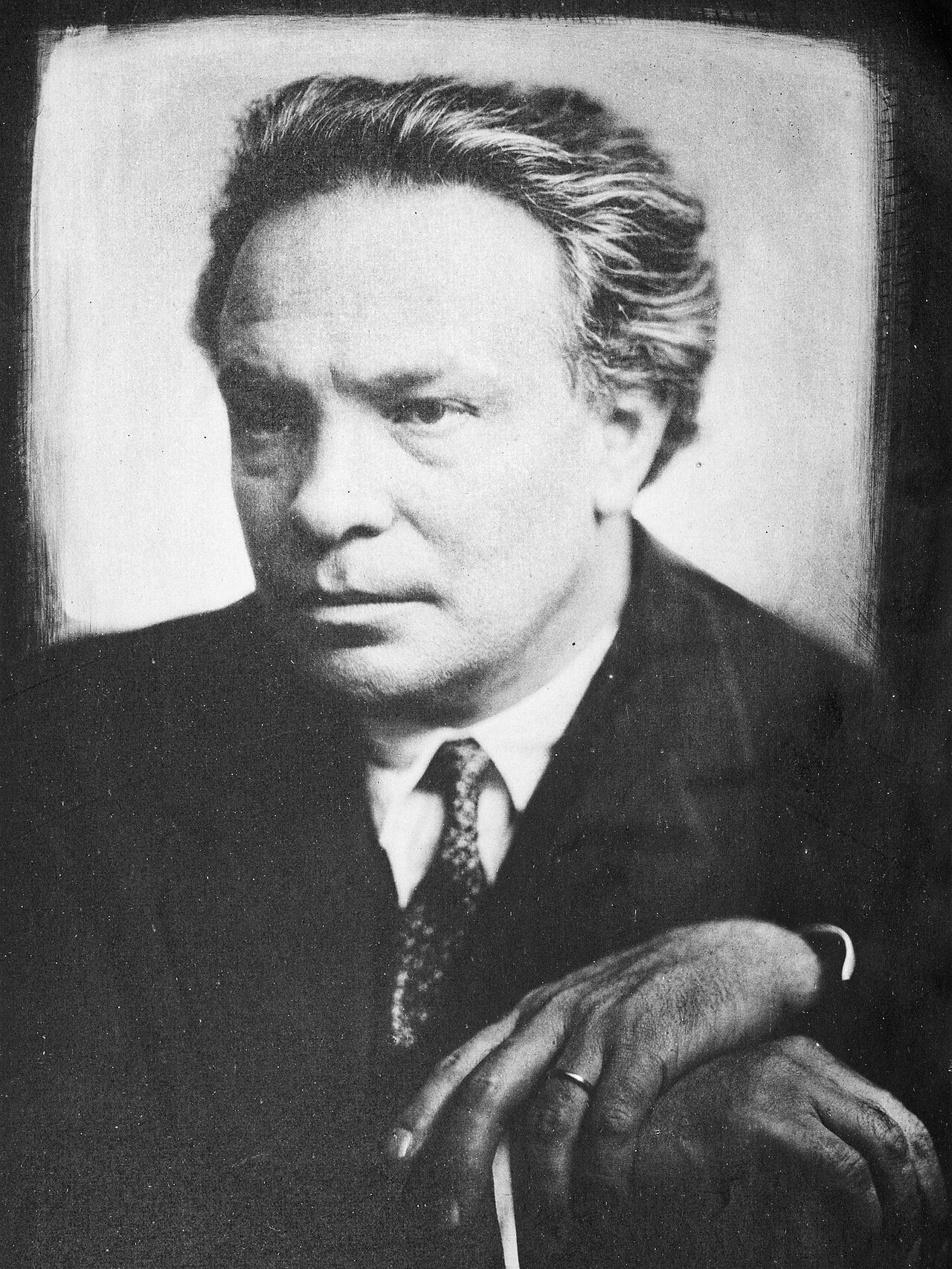
His orchestral tone poem Pines of Rome premiered at the Augusteo in December 1924 and became one of his most well known works.[6] At the Liceo Musicale di Bologna, starting in 1891, Respighi's studies encompassed violin, viola, organ, counterpoint, and fugue.[7][2] The comedy Re Enzo, Respighi's first opera, was finished in 1905.[8][2] Membership in the Reale Accademia d'Italia was conferred upon Respighi by the Fascist government in 1932.[9][10]
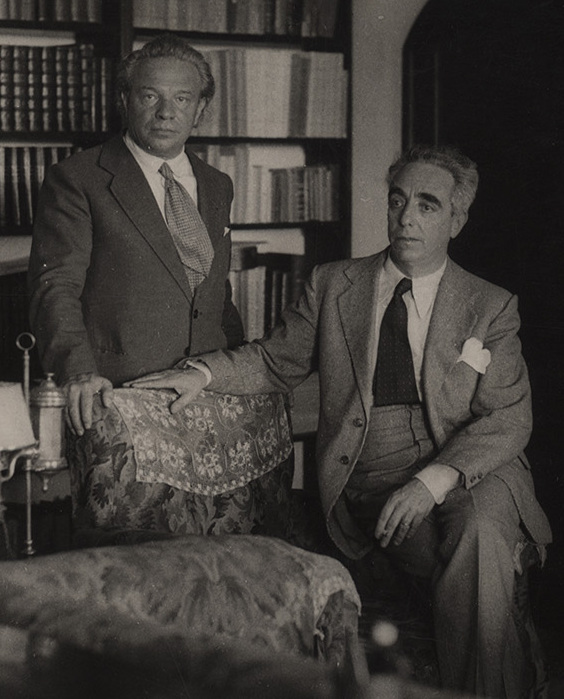
At age 56, Respighi passed away in Rome on 18 April 1936, his death resulting from blood poisoning complications.[11]
What the cited sources add
Bernardoni's biography states that Respighi developed his piano skills as a self-taught player and later admitted he could not execute scales, so he avoided them in his compositions.[2] An article on Respighi and fascism explains that his membership in the openly fascist Reale Accademia d'Italia was seen as an endorsement of Mussolini's regime, though Respighi was determinedly non-political.[10] After the fall of Mussolini's government, successive Italian governments distanced themselves from nationalistic artists including Respighi.[10] Elsa Respighi told an interviewer that her husband composed only during solar months, creating everything between November and March.[12]
References
- Wikipedia, "Ottorino Respighi" (CC BY-SA 4.0), which cites: Webb 2019, p. 2–3; Bernardoni, "Respighi, Ottorino", Dizionario Biografico degli Italiani, 2016 (we also read that source) en.wikipedia.org
- Bernardoni, "Respighi, Ottorino", Dizionario Biografico degli Italiani, 2016. facts only, no text reused. treccani.it
- Wikipedia, "Ottorino Respighi" (CC BY-SA 4.0), which cites: Nupen 1982, p. 13:12–13:43 (original not read by us) en.wikipedia.org
- Wikipedia, "Ottorino Respighi" (CC BY-SA 4.0), which cites: Waterhouse 2001, p. "1. Life"; Macleod 2014, p. 2:05–2:35; Waterhouse 2001, p. "1. Life"; Nupen 1982, p. 13:12–13:43; Webb 2019, p. 2–3 (original not read by us) en.wikipedia.org
- Wikipedia, "Ottorino Respighi" (CC BY-SA 4.0), which cites: Webb 2019, p. 2–3; Macleod 2014, p. 2:05–2:35; Roos, "Life With Respighi", The Miami Hearald, 19 August 1979, p. 2L; Macleod 2014, p. 2:05–2:35; Webb 2019, p. 2–3; Roos, "Life With Respighi", The Miami Hearald, 19 August 1979, p. 2L; Nupen 1982, p. 13:12–13:43 (original not read by us) en.wikipedia.org
- Wikipedia, "Ottorino Respighi" (CC BY-SA 4.0), which cites: Di Vittorio, "Respighi – Serenata • Trittico botticelliano • Gli uccelli • Suite in G major", Naxos Records, 2014 (original not read by us) en.wikipedia.org
- Wikipedia, "Ottorino Respighi" (CC BY-SA 4.0), which cites: Webb 2019, p. 2–3; Webb 2019, p. 2–3; Bernardoni, "Respighi, Ottorino", Dizionario Biografico degli Italiani, 2016; Webb 2019, p. 2–3 (we also read that source) en.wikipedia.org
- Wikipedia, "Ottorino Respighi" (CC BY-SA 4.0), which cites: Waterhouse 2001, p. "1. Life"; Waterhouse 2001, p. "1. Life"; Respighi 1962, p. 7 (original not read by us) en.wikipedia.org
- Wikipedia, "Ottorino Respighi" (CC BY-SA 4.0), which cites: DK 2012, p. 244; Bernardoni, "Respighi, Ottorino", Dizionario Biografico degli Italiani, 2016 (we also read that source) en.wikipedia.org
- "Pining for Rome: Ottorino Respighi, Mussolini, and the doctrine of fascism". facts only, no text reused. chicagomaroon.com
- Wikipedia, "Ottorino Respighi" (CC BY-SA 4.0), which cites: "Italian opera composer is dead in Rome", The Binghamton Press and Sun-Bulletin, 18 April 1936, p. 17 (original not read by us) en.wikipedia.org
- "Adriano's Conversations with Elsa Respighi", musicweb-international.com. facts only, no text reused. musicweb-international.com
Each numbered sentence above was checked against the source it cites before publication. Sentences citing Wikipedia adapt text from the English Wikipedia article Ottorino Respighi (contributors), used under CC BY-SA 4.0; this entry is available under the same licence. Other sources were used for facts only; no text or images are copied from them.
Also in the Codexery
More in Modernist & 20Th-Century Composers
Sources
Compiled from Wikipedia and the sources listed below. Text from Wikipedia is available under CC BY-SA 4.0; this entry is adapted from it.
- Wikipedia: Ottorino Respighi (CC BY-SA 4.0).
Spotted an error? Know more?
Reader corrections go straight into our review queue. Suggest an edit · How this site is sourced