Wang Dan (dissident)
Chinese political activist and former Tiananmen Square student leader
Last updated

AahseemlAU 300 · CC BY-SA 4.0
Wang Dan (born 26 February 1969) is a Chinese political activist and history scholar. While a student in the history department at Peking University, he organized "Democracy Salons" and became politically active. During the 1989 Tiananmen Square protests, he served as the Peking University representative on the movement's organizing body. Following the crackdown, he was placed at the top of a list of 21 wanted student leaders.
Arrest and incarceration
He went into hiding but was arrested on 2 July 1989. After nearly two years in custody, he was tried in 1991 on charges of spreading counterrevolutionary propaganda and incitement, receiving a four-year prison sentence. He served part of this time at Qincheng Prison, a facility known for holding political prisoners, where he was given a private cell due to his high-profile status.
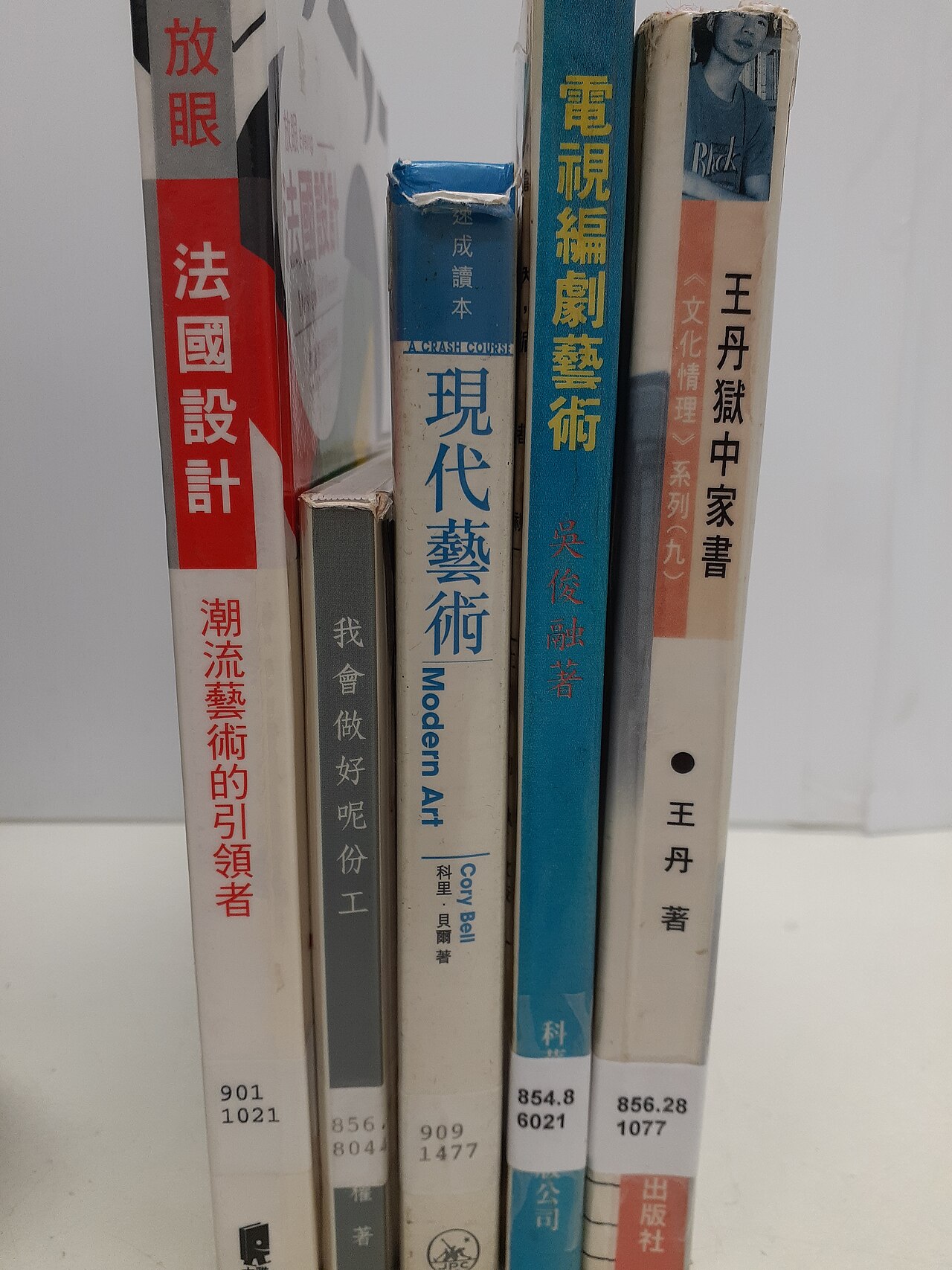
Released on parole in 1993—a release he linked to China's Olympic bid—he resumed writing for overseas publications. He was re-arrested in May 1995, two months after an interview with the U.S.-based periodical Beijing Spring, and was charged with plotting to overthrow the government. After 17 months in custody, he was sentenced to 11 years in prison. He was released early in 1998 for stated medical reasons and sent to the United States, a move that followed an agreement in which the U.S. withdrew support for a UN resolution criticizing China in exchange for the release of political prisoners.
In the U.S., he resumed his education at Harvard University, earning a master's degree in East Asian history in 2001 and a Ph.D. in 2008. He later conducted research on Taiwan's democratic development at Oxford University. He has served as chairman of the Chinese Constitutional Reform Association.

Biography
He was featured in the documentary The Beijing Crackdown and the film Moving the Mountain, and appears in Shen Tong's book Almost a Revolution. Banned from mainland China after his passport expired in 2003, he was denied entry to Hong Kong in 2004, though he later landed there in 2012 but was confined to the airport's restricted zone without a visa. His second prison sentence officially expired in 2007, with a release certificate issued to his parents. He has since divided his time between the United States and Taiwan, where he has taught at several universities.

Lore & Background
Wang Dan was born in 1969. He was a politically active student at Peking University's history department, organizing 'Democracy Salons.' After the 1989 protests, he was placed on the list of 21 most wanted fugitives. He was arrested on 2 July 1989 and sentenced to four years imprisonment in 1991. Released on parole in 1993, he was re-arrested in 1995 and sentenced in 1996 to 11 years for conspiring to overthrow the Chinese Communist Party.
He was released early and exiled to the United States in 1998. He completed a master's in East Asian history at Harvard in 2001 and a PhD in 2008. He also performed research on the development of democracy in Taiwan at Oxford University in 2009. He is currently chairman of the Chinese Constitutional Reform Association.
He was interviewed in the documentary The Beijing Crackdown and the movie Moving the Mountain, and featured in Shen Tong's book Almost a Revolution. He was banned from mainland China; his passport expired in 2003. He attempted to visit Hong Kong in 2004 but was rejected. He first landed in Hong Kong in 2012 but was confined to the airport's restricted zone due to lacking a Hong Kong visa.
Activism and education work
Wang taught PRC history at National Tsing Hua University in Hsinchu, Taiwan from 2010 to 2015. In November 2010, a woman carrying a knife entered his classroom; he removed the knife before she could stab him. As of July 2009, Wang had a Facebook page. He is a member of the WikiLeaks advisory board and sits on the board of trustees for the Committee for Freedom in Hong Kong Foundation.
Payments from Chen Shui-bian
In April 2011, news media reported that Wang testified in court that he had received two grants from the Chen Shui-bian administration totaling US$400,000; Wang responded that the reports are false, later stating the funding came from the Republic of China government. In April 2022, Chen disclosed two payments to Wang totaling 6.6 million NTD. In 2014, Wang wrote on Facebook that he suspected having a brain tumor and requested the Taiwanese government to let him go to Taiwan; dissidents Tang Baiqiao and Feng Congde accused him of deceiving the public. In 2023, a Taiwanese man named Lee Yuan-chun said in a social media post that Wang had kissed and attempted to rape him in a hotel room in Flushing, New York in 2014, when Lee was 19 years old; this is an unverified claim.
Reader's Guide
Wang Dan first came to prominence as a student at Peking University, where he organized informal political discussion groups known as "Democracy Salons." During the 1989 Tiananmen Square protests, he served as the Peking University representative on the movement’s coordinating body. After the crackdown, he was placed on a list of the 21 most wanted student leaders and went into hiding before being arrested in July 1989. He was held for nearly two years before trial, charged with spreading counterrevolutionary propaganda and incitement, and received a four-year prison sentence—considered relatively mild due to the government’s uncertainty about handling many high-profile students.
He spent two years at Qincheng Prison, a facility known for holding political prisoners, where he was given a private cell because of his notoriety. Released on parole in 1993, he resumed writing for overseas publications and was re-arrested in 1995 after an interview with the U.S.-based periodical Beijing Spring. He was held 17 months before being charged with plotting to overthrow the government and sentenced to 11 years.
He was released early in 1998 under a U.S.-China agreement that saw the U.S. withdraw support for a United Nations resolution criticizing China’s human rights record in exchange for the release of political prisoners. After moving to the United States, he earned a master’s and a Ph.D. in East Asian history from Harvard University, later conducting research on democracy in Taiwan at Oxford University. He has taught at several universities in Taiwan and serves as chairman of the Chinese Constitutional Reform Association. Wang has appeared in the documentary The Beijing Crackdown and the film Moving the Mountain, and was featured in Shen Tong’s book Almost a Revolution.

Exile in the United States
He remains banned from mainland China and was denied entry to Hong Kong in 2004, though he briefly landed there in 2012 but was confined to the airport transit area. His activism has included writing works such as “20 years after Tiananmen,” which examines economic change and human rights, and “Rebuild China with an Olympic Amnesty,” which argued that international events like the Olympics could highlight human rights issues. He continues to advocate for democratic change in China, emphasizing the need for independent intellectuals, economic actors, and spirits.
Frequently Asked Questions
What was Wang Dan's role in the 1989 protests?
While studying at Peking University, Wang Dan emerged as one of the prominent student leaders organizing and speaking during the Tiananmen Square demonstrations. His visibility as a young, articulate voice made him a symbolic figure for the student movement.
What happened to Wang Dan after the 1989 events?
The Chinese government jailed him twice in the period following the protests. He ultimately left China in 1998, entering exile in the United States to continue his academic and activist work.
Where did Wang Dan study and teach after going into exile?
In the U.S. he earned a master's degree at Harvard University and later pursued studies at the University of Wisconsin–Madison, though he did not complete a doctorate there. He also spent time teaching at several universities in Taiwan, splitting his career between the two regions.
More in Miscellaneous Activists & Dissidents
Sources
Compiled from Wikipedia and the sources listed below. Text from Wikipedia is available under CC BY-SA 4.0; this entry is adapted from it.
- Wikipedia: Wang Dan (dissident) (CC BY-SA 4.0).
Spotted an error? Know more?
Reader corrections go straight into our review queue. Suggest an edit · How this site is sourced