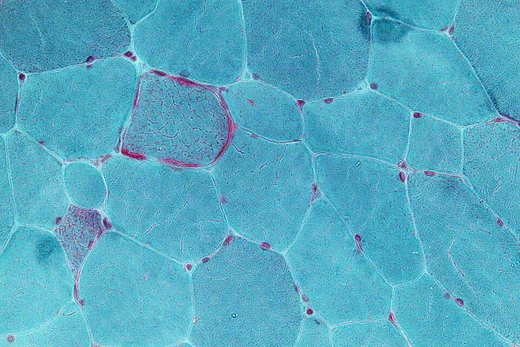
Citrin deficiency
Last updated
Citrin deficiency is an inherited autosomal recessive metabolic disorder and a urea cycle condition. It is notable for its age-dependent clinical phenotypes and a hallmark dietary preference for protein- and fat-rich foods while avoiding carbohydrates. The disorder arises from mutations in the SLC25A13 gene, which encodes the citrin protein, a mitochondrial aspartate-glutamate carrier.
History
The first documented cases resembling citrin deficiency were described in the 1970s by Tsujii et al., who reported two adult siblings in Japan with chronic hepatocerebral symptoms, hyperammonemia, fatty liver, elevated citrulline, and a dietary aversion to carbohydrates. The disorder was initially considered a late-onset variant of classical citrullinemia type I due to defects in argininosuccinate synthetase (ASS). By the early 1980s, Saheki et al. proposed that some cases involved a quantitative ASS deficiency limited to the liver, suggesting a regulatory defect rather than a mutation in the ASS gene.
Around the same period, Nobel laureate John E. Walker made foundational contributions to the discovery of the mitochondrial carrier family, identifying the SLC25 family of transporters with a conserved six-transmembrane-helix structure. Citrin, encoded by SLC25A13, was later recognized as a member of this family.
Clinical phenotypes and associated symptoms
Citrin deficiency presents three primary age-dependent phenotypes. Neonatal intrahepatic cholestasis caused by citrin deficiency (NICCD) affects infants, often with cholestasis, prolonged jaundice, and fatty liver; symptoms typically resolve after one year with appropriate management. Following NICCD, patients enter a silent or adaptation period where they appear mostly healthy, though some may experience fatty liver, hypoglycemia, fatigue, hyperlipidemia, or abdominal pain.
A small percentage develop failure to thrive and dyslipidemia caused by citrin deficiency (FTTDCD), with more pronounced poor growth, hypoglycemia, fatigue, hyperlipidemia, fatty liver, and abdominal pain. Adolescent and adult citrin deficiency (AACD), the most severe form, features acute hyperammonemia, citrullinemia, and psychiatric symptoms, often triggered by alcohol, high-carbohydrate intake, surgery, or infections. A hallmark symptom post-infancy is a strong dietary preference for protein and fat while avoiding carbohydrates and sweets; overconsumption of carbohydrates can lead to metabolic decompensation and hyperammonemia.
Diagnosis
Diagnosis of citrin deficiency relies on clinical presentations and biochemical analysis, but genetic testing for SLC25A13 variants is the gold standard. Newborn screening may detect elevated amino acids such as arginine, citrulline, methionine, and tyrosine. NICCD is indicated by cholestasis, prolonged jaundice, elevated alpha-fetoprotein, citrulline without significant hyperammonemia, and increased galactose in blood or urine; elevated gamma-glutamyl transferase may also be observed.
During the adaptation period, diagnosis is challenging as patients are often asymptomatic, though a dietary preference for protein and fat over carbohydrates is suggestive. FTTDCD may be suspected with low BMI, citrullinemia, and high lactate/pyruvate ratios. AACD presents with elevated AST, ALT, GGT, arginine, ammonia, and citrulline, along with low BMI, hyperlipidemia, fatty liver, and consciousness disturbances from hyperammonemia.
Management and treatment
There is no cure for citrin deficiency except liver transplantation. First-line management is a low-carbohydrate, high-protein, high-fat diet. Medium-chain triglyceride (MCT) supplementation is also beneficial, providing rapid energy to the liver. Patients must avoid high-carbohydrate meals and alcohol to prevent metabolic decompensation and AACD.
For NICCD, MCT-enriched formula is frequently prescribed; lactose-free formula with MCT is recommended if galactosemia is present, and fat-soluble vitamins may be given. Post-NICCD, patients should continue a low-carbohydrate, high-protein, high-fat diet, and MCT supplements may be advisable even after symptom resolution. FTTDCD patients may benefit from dietary management combined with MCT oil. AACD patients are recommended dietary management and MCT oil, which can improve or resolve symptoms.
Ammonia scavengers and arginine may help manage ammonia levels. For brain edema from hepatic encephalopathy, glycerol infusions should be avoided as they worsen the condition; mannitol infusions are safe. High-concentration glucose infusions should also be avoided. Liver transplantation is considered for serious cases unresponsive to treatment.
Did You Know?
- The condition was originally described in Japan and considered primarily East Asian, but is now viewed as pan-ethnic with patients identified across North America and Europe.
- The Citrin Foundation is an international nonprofit organization dedicated to supporting research and individuals affected by citrin deficiency.
More in Metabolic Disorders
Sources
Compiled from Wikipedia and the sources listed below. Text from Wikipedia is available under CC BY-SA 4.0; this entry is adapted from it.
- Wikipedia: Citrin deficiency (CC BY-SA 4.0).
- Word definitions: the Codexery glossary, each quoted from its Wikipedia article.
Spotted an error? Know more?
Reader corrections go straight into our review queue. Suggest an edit · How this site is sourced