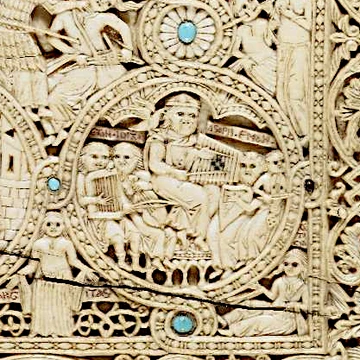
Oliphant (band)
Finnish ensemble reviving trouvère and medieval music.
Last updated
Oliphant is a Finnish medieval music ensemble formed in 1995. Its improvisational performances have won acclaim from audiences and critics. The band has uncovered and recorded many previously unknown trouvère songs, and its CDs have been nominated for classical Record of the Year in Finland.
Quick Facts
- Country
- Finland
- Formed
- 1995
- Repertoire period
- 12th century to polyphonic ars nova
Facts from the source article.
History
Founded in 1995, the ensemble Oliphant focuses on medieval music spanning from the 12th century through the polyphonic ars nova. The group has unearthed and recorded a significant amount of previously unknown trouvère music. Their performances are known for being colorful and improvisational, earning praise from both audiences and critics. Two of their albums, Songs from the Crusades and Gace Brulé, were nominated for classical Record of the Year by the major Finnish newspaper Helsingin Sanomat in 2000 and 2004.
In 2006, they released Joie Fine, a collection of 13th-century pious trouvère songs called chansons pieuses. During 2008 and 2009, the ensemble delved into German medieval music, which led to the concert and album HERZ, PRICH! – HEART, BREAK! Oliphant has performed abroad in Sweden, France, and other countries, as well as at numerous Finnish music festivals. Beyond their own concerts and other performances, they helped create the medieval liturgical drama Ludis Danielis and have premiered new Finnish compositions.
Their repertoire includes various types of trouvère songs, such as chansons de croisades, chansons pieuses, and chansons de femme, along with German medieval music and pieces from collections like Carmina Burana and Cantigas de Santa Maria. For polyphonic works, they draw on composers like Guillaume de Machaut, Francesco Landini, and Oswald Wolkenstein, as well as Ars Antiqua. The musicians play a range of historical instruments, each with their own distinctive approach.
The core sound comes from the human voice, fiddle, recorder, hammered dulcimer, and medieval lute, but the ensemble also uses many other medieval instruments, including citole, bombard, bagpipes, slide trumpet, symphony, double flute, bells, Jew’s harp, and various drums and percussion.
More in Medieval Musical Groups
Sources
Compiled from Wikipedia and the sources listed below. Text from Wikipedia is available under CC BY-SA 4.0; this entry is adapted from it.
- Wikipedia: Oliphant (band) (CC BY-SA 4.0).
Spotted an error? Know more?
Reader corrections go straight into our review queue. Suggest an edit · How this site is sourced