Frequently Asked Questions
The most-asked questions about marine shrimp, part 2.
What is the Marine Shrimp Fan Encyclopedia, Part 2?
It is the second volume of a community-written reference that expands on Part 1's introductory material by covering deeper ecology, reproductive biology, and a broader range of species. Think of it as the 'advanced chapters' for readers who already know the basics of shrimp taxonomy and want more detail.
Who are the main 'characters' or headline species in Part 2?
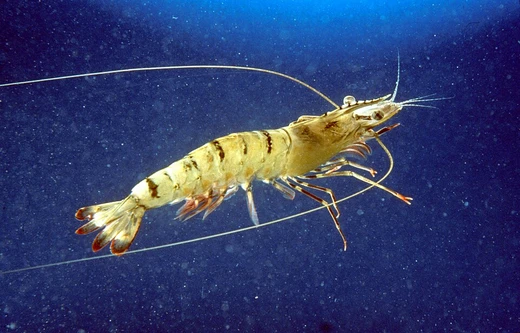
The volume spotlights several fan-favorite species, including the Pacific whiteleg shrimp (Litopenaeus vannamei), the tiger prawn (Penaeus monod), the glass shrimp (Palaemonetes), and the deep-sea vent shrimp (Rimicaris exoculata). Each gets a full profile page with life-cycle diagrams and behavioral notes.
Where should a newcomer start reading Part 2?
Jump into the 'Species Profiles' section first, then work through 'Habitat & Distribution' before tackling the more technical chapters on molting physiology and reproductive strategies. The reading-order sidebar at the top of the homepage suggests a logical path.
What key facts does Part 2 cover that Part 1 skipped?
Part 2 focuses on the mechanics of ecdysis (molting), the hormonal cascade behind brood development, and how shrimp detritivory drives nutrient cycling on the seafloor. It also includes a dedicated chapter on shrimp–coral and shrimp–seagrass symbioses.
What is a notable 'moment' or discovery highlighted in Part 2?
The encyclopedia devotes a feature entry to the 2019 characterization of Rimicaris exoculata, a blind, chemosynthetic shrimp thriving at hydrothermal vents where it hosts sulfur-oxidizing bacteria in specialized podosomes. Fans often cite this page as the volume's most surprising read.
How many species does Part 2 profile in total?
It adds roughly forty species beyond Part 1's introductory set, spanning coastal, estuarine, and deep-sea habitats across all major ocean basins. A cross-reference table at the back links each entry back to its Part 1 counterpart where applicable.
What is the 'Tiger Prawn' entry about?
It is one of the most-viewed pages and covers Penaeus monod's banded coloration, its life cycle from estuarine nursery to offshore spawning, and its central role in Southeast Asian aquaculture. The page also notes the species' vulnerability to white syndrome virus.
Where are marine shrimp most commonly found, according to Part 2?
The distribution maps show the highest diversity in tropical and subtropical shallow waters, estuaries, and the upper continental shelf, with a separate section for the specialized deep-sea vent fauna. A latitude-by-latitude summary table helps readers quickly locate species by region.
What conservation topics does Part 2 address?
It examines overfishing pressures from trawl fisheries, habitat degradation caused by coastal development, and the cascading effects of bottom trawling on benthic communities. A short 'What You Can Do' sidebar connects readers to local monitoring programs and sustainable-aquaculture certifications.
How can fans contribute to Part 2?
The project runs on an open-editing model, so anyone can submit field observations, flag taxonomic corrections, or draft new species profiles through the community forum. Edits are peer-reviewed by a rotating panel of marine-biology enthusiasts before going live.