Frequently Asked Questions
The most-asked questions about malaysian cuisine.
What defines Malaysian cuisine as a distinct culinary tradition?
Malaysian food is a layered fusion shaped by Malay, Chinese, Indian, and indigenous Orang Asli cooking traditions over centuries of trade and migration. It is characterized by bold spice blends, coconut-based curries, and a culture of communal, shared plates rather than individual servings.
What are the most iconic dishes a newcomer should know?
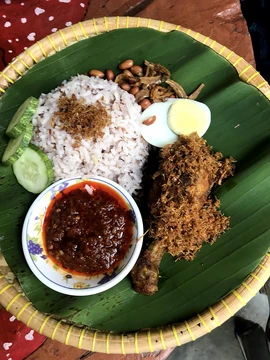
Nasi lemak, roti canai, satay, laksa, and char kway teow are the dishes most tightly associated with the country. Together they showcase the Malay, Indian, and Chinese pillars that make up the everyday food scene.
Where should a beginner start exploring Malaysian food?
A hawker centre or kopitiam is the ideal first stop, since you can sample small, affordable portions of many dishes in a single sitting. Pairing a bowl of laksa with a plate of nasi lemak and a skewer of satay gives a quick cross-section of the cuisine's three main traditions.
What spices and ingredients are central to the flavor profile?
Lemongrass, galangal, turmeric, kaffir lime leaf, and dried chilies form the aromatic backbone of most Malay and Peranakan curries. Coconut milk, tamarind, and belacan (fermented shrimp paste) then add the rich, sour, and umami layers that define the overall taste.
How does Malaysian food differ from neighboring Thai or Indonesian cuisine?
While all three share Southeast Asian spice roots, Malaysian cooking leans more heavily on coconut milk and sweeter, milder sambals compared to Thailand's sharper heat and Indonesia's deeper, smokier profiles. Chinese and Indian influences are also more fully integrated into everyday Malaysian plates rather than existing as separate ethnic restaurants.
What role does hawker culture play in Malaysian food?
Hawker centres and street stalls are where most Malaysians eat their daily meals, offering everything from early-morning kopi to late-night mee goreng at very low prices. This culture keeps recipes in constant rotation and makes the cuisine both accessible and extraordinarily diverse.
Are there notable regional variations within Malaysia?
Penang is renowned for its Hokkien-style char kway teow and tangy assam laksa, while Sabah and Sarawak contribute dishes like sambal soto and local-herb curries. The west coast around Kuala Lumpur and Johor tends toward a more blended Malay-Chinese-Indian style.
How spicy is Malaysian food generally?
Most everyday dishes sit at a moderate heat level, with spiciness coming from fresh or dried chilies and sambal rather than extreme capsaicin. Dishes like sambal belacan or certain laksa broths can hit harder, and most stalls will adjust the chili level on request.
What makes Peranakan (Nyonya) cuisine a notable sub-tradition?
Peranakan cooking fuses Malay and Chinese techniques to produce elaborate dishes such as ayam buah keluak and thick, perfumed laksa broths. It is often described as the haute cuisine of the Straits because of its complexity and use of rare ingredients like candlenut and musang king fruit.
Is Malaysian cuisine predominantly halal, and can non-Muslims eat freely?
A large share of the food scene is halal-certified, and non-halal Chinese and Indian (non-Muslim) restaurants operate alongside them without issue. Visitors of any background can eat at virtually any establishment; pork and alcohol appear mainly in Chinese and non-Muslim Indian kitchens.