Life (magazine)
To see life; to see the world; to eyewitness great events
Last updated

Life Magazine · Public domain
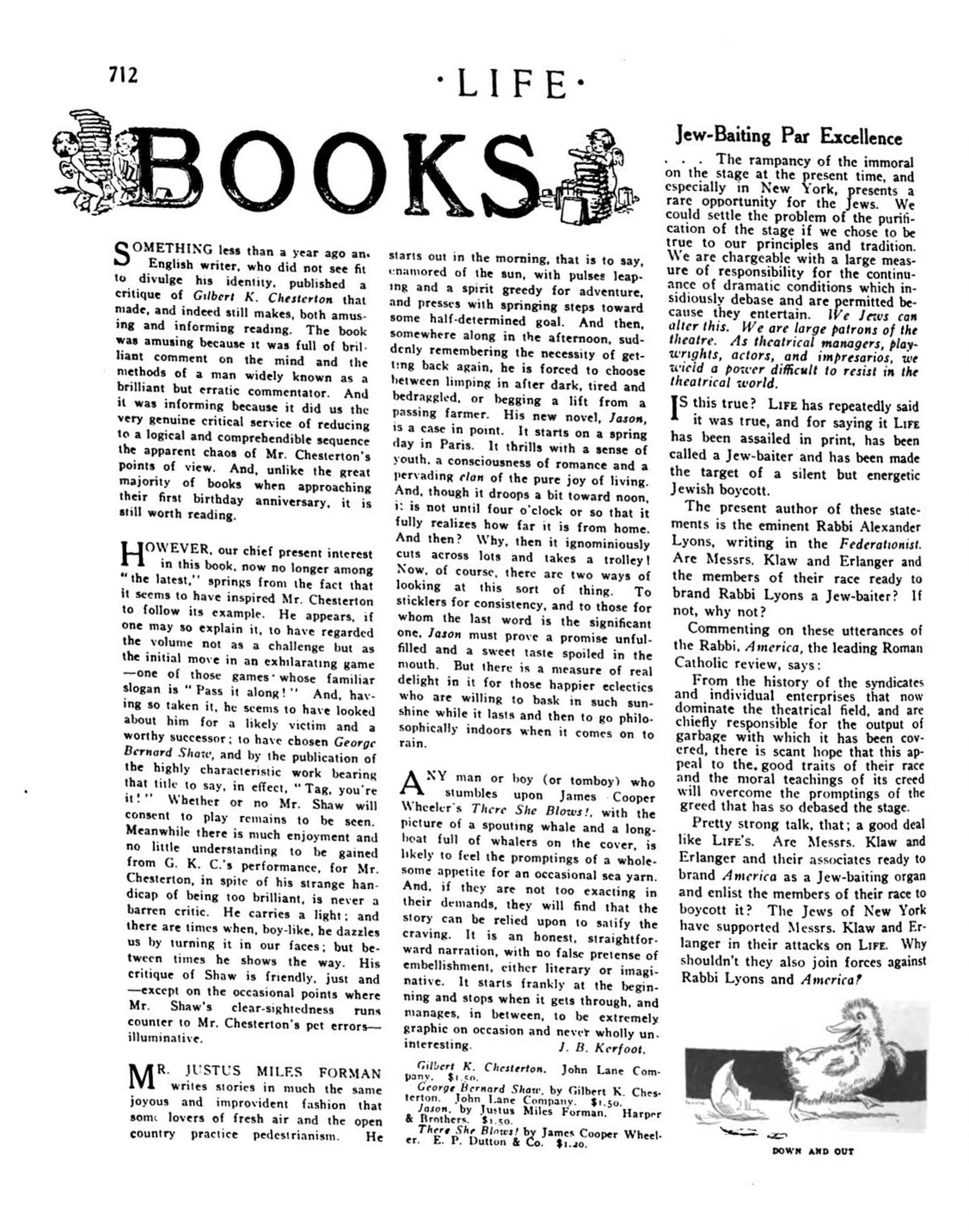
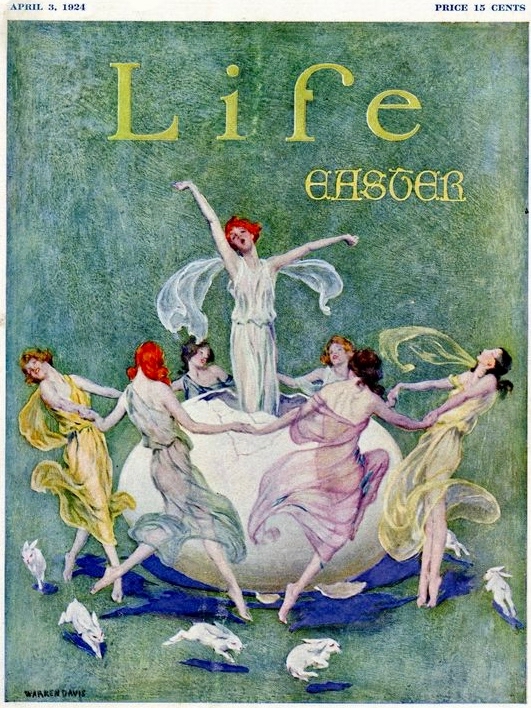
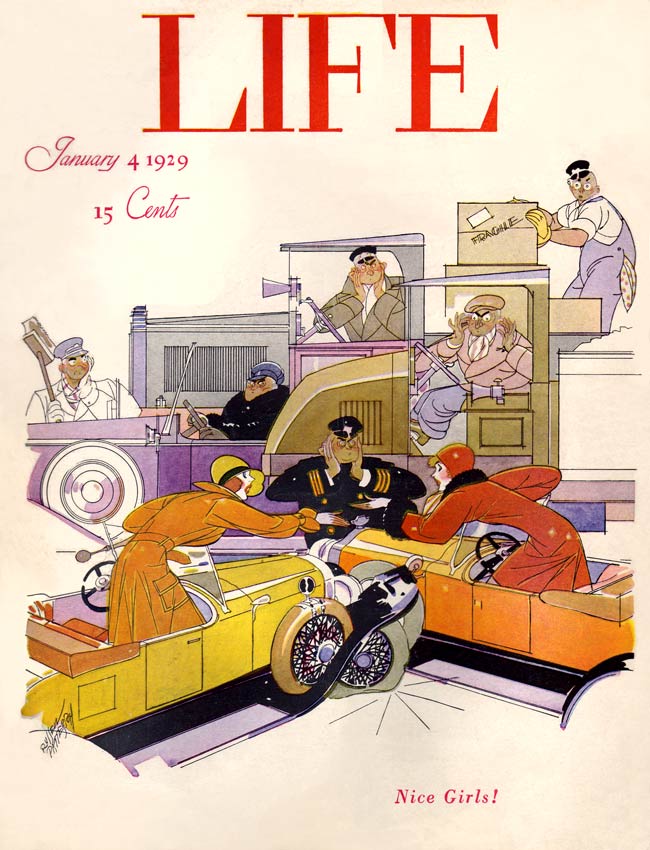
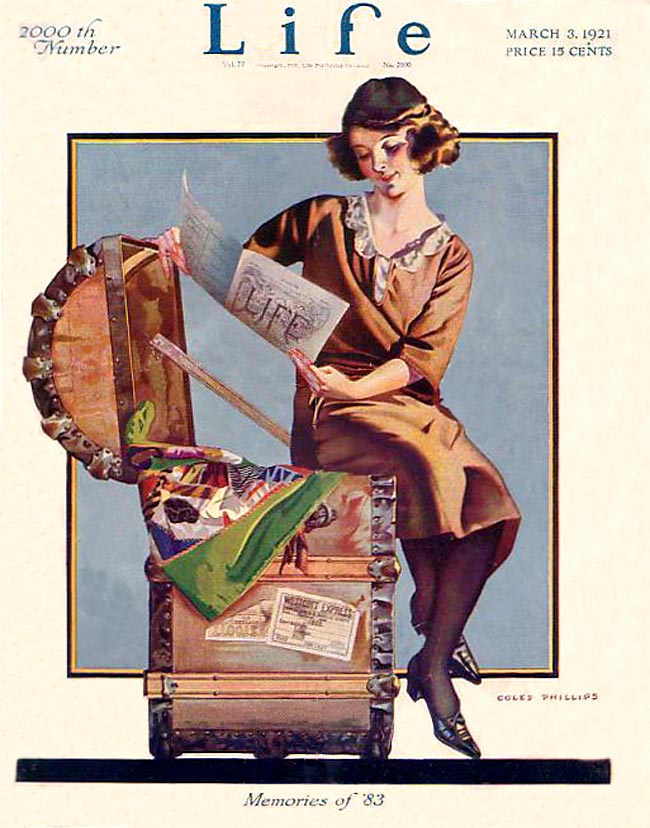
Life (stylized as LIFE) is an American news magazine. It first appeared as a weekly on November 23, 1936, after Henry Luce bought the 1883 humor magazine of the same name just for its title.
The publication switched to irregular "special" issues in 1972, then ran as a monthly from 1978 until 2000. After 2000, it again became an occasional special-issue title, and a relaunch is planned for late 2026. Originally under Time Inc., the magazine has been owned by People Inc since 2021 and, as of 2026, is published by Bedford Media.
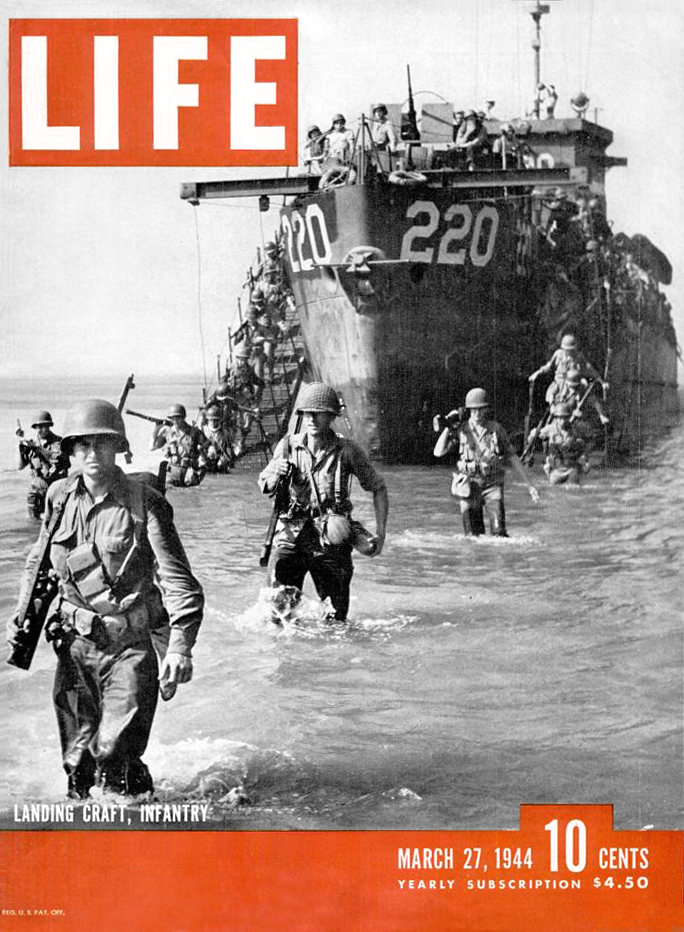
The magazine’s most lasting contribution to publishing is its role in photojournalism. From its launch through the 1960s, Life was a broad general-interest weekly, famous for its picture-driven journalism. During that era, it ranked among the most popular U.S. magazines, with a circulation that regularly reached a quarter of the American population.
Lore & Background
The magazine's place in the history of photojournalism is considered one of its most important contributions to the world of publishing. From 1936 to the 1960s, Life was a wide-ranging general-interest magazine known for its photojournalism. During this period, it was one of the most popular magazines in the United States, with its circulation regularly reaching a quarter of the U.S. population.

A Name Bought for a Vision
He sold the old title's subscription list and content to another humor publication, Judge, freeing the name for his own ambitious project under Time Inc. Luce's internal prospectus articulated a bold mission: to let American readers witness the world through photographs rather than merely reading about it. The first issue, priced at ten cents, featured five pages of Alfred Eisenstaedt's photographs and a cover image of the Fort Peck Dam in Montana by Margaret Bourke-White. The format was revolutionary—text was reduced to captions beneath 50 pages of images printed on heavily coated paper.
Defining an Era of Photojournalism
Its circulation regularly touched a quarter of the U.S. population, making it one of the most widely read periodicals in the country. The magazine's influence on the craft of photojournalism is widely regarded as one of its most significant contributions to publishing history. Life operated out of its own Beaux-Arts building at 19 West 31st Street before later relocating editorial offices to 9 Rockefeller Plaza. The magazine's format—condensed text serving as captions for large-format photographs on premium coated stock—set a standard that reshaped how news and culture were consumed in the United States, and its place in the broader history of visual storytelling remains a cornerstone of the publishing world.
War, Art, and the Home Front
When Congress barred the military from using government funds to hire field artists, Life privatized the program, employing artists released by the Department of War.
The People Behind the Lens
Life's editorial leadership shaped its identity as much as its photographers did. He was known for granting his staff remarkable creative freedom, particularly to a trio of women editors—Sally Kirkland in fashion, Mary Letherbee in movies, and Mary Hamman in modern living.
Reader's Guide
In 1936, publisher Henry Luce purchased a humor magazine called Life for US$92,000 because he wanted the name for his company, Time Inc., to use. Time Inc. sold Life subscription list and features to another humor magazine, Judge. Convinced that pictures could tell a story instead of just illustrating text, Luce launched the new Life on November 23, 1936, with John Shaw Billings and Daniel Longwell as founding editors. The third magazine published by Luce, after Time in 1923 and Fortune in 1930, Life developed as the definitive photo magazine in the U.S., giving as much space and importance to images as to words.
The first issue of this version of Life, which sold for ten cents, had five pages of Alfred Eisenstaedt's photographs. Luce's first issue cover depicted the Fort Peck Dam in Montana, a Works Progress Administration project, photographed by Margaret Bourke-White. The format of Life in 1936 was a success: the text was condensed into captions for 50 pages of photographs.
The magazine was printed on heavily coated paper and cost readers only a dime. The magazine's circulation was beyond the company's predictions, going from 380,000 copies of the first issue to more than one million a week four months later. It soon challenged The Saturday Evening Post, then the largest-circulation weekly in the country. The magazine's success stimulated many imitators, such as Look, which was founded a year later in 1937 and ran until 1971.
Luce moved Life into its own building at 19 West 31st Street, a Beaux-Arts building constructed in 1894. Later Life moved its editorial offices to 9 Rockefeller Plaza. A co-founder of the new Life magazine, Longwell served as managing editor from 1944 to 1946, and as chairman of the board of editors until his retirement in 1954.
He was credited for publishing Winston Churchill's The Second World War and Ernest Hemingway's The Old Man and the Sea. Luce also selected Edward Kramer Thompson, a stringer for Time, as assistant picture editor in 1937. From 1949 to 1961, Thompson was the managing editor, and served as editor-in-chief for nearly a decade until his retirement in 1970. His influence was significant during the magazine's heyday, which was roughly from 1936 until the mid-1960s.
Did You Know?
- The magazine's caption for Robert Capa's D-Day photos stated the images were fuzzy because Capa's hands were shaking, not due to excitement.
Frequently Asked Questions
What is Life (magazine) known for?
The magazine is best remembered for pushing photojournalism into the mainstream, using large-format photographs as the primary storytelling vehicle rather than leaning on text. Its wide-ranging general-interest coverage of everyday American life set a visual standard that many later publications still try to match.
Who owns Life (magazine) today?
The brand is currently held by Dotdash Meredith, which inherited it following Meredith Corporation's acquisition of the title. This places it under the same corporate umbrella as many other well-known American consumer magazines.
More in Magazines
Sources
Compiled from Wikipedia and the sources listed below. Text from Wikipedia is available under CC BY-SA 4.0; this entry is adapted from it.
- Wikipedia: Life (magazine) (CC BY-SA 4.0).
Spotted an error? Know more?
Reader corrections go straight into our review queue. Suggest an edit · How this site is sourced