
Punch (magazine)

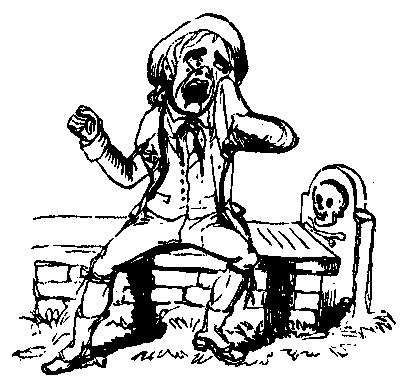
Frank Reynolds · Public domain
Punch, or *The London Charivari*, was a British weekly magazine of humour and satire founded in 1841 by Henry Mayhew and the wood-engraver Ebenezer Landells. Its name and mascot were drawn from the anarchic glove puppet Mr. Punch of the Punch and Judy show, a character that frequently appeared on its covers; an early joke also noted that "punch is nothing without lemon," a reference to one of its first editors, Mark Lemon. The magazine’s subtitle paid homage to Charles Philipon’s French satirical journal *Le Charivari*. After initial financial struggles—except for an 1842 Almanack issue that sold 90,000 copies—the publication was sold in December 1842 to the printers and publishers Bradbury and Evans, who also worked with Charles Dickens and William Makepeace Thackeray. Punch was most influential in the 1840s and 1850s, when it helped coin the modern sense of the word "cartoon" as a humorous illustration. In 1843, the term was humorously appropriated from preliminary sketches for murals in the Houses of Parliament, and the popularity of Punch’s political cartoons drove its widespread adoption. Notable early artists included John Leech, Richard Doyle, Charles Keene, and John Tenniel, who joined in 1850 and served as chief cartoonist from 1864 to 1901. Helen Hoppner Coode, the magazine’s first woman contributor, published nineteen drawings. Punch became a staple in Victorian drawing rooms due to its sophisticated humour and lack of offensive material, gaining respectability through free publicity from *The Times* and the *News of the World*, which used its pieces as column fillers. By the 1840s, it had become a household word, reaching readers from the middle class to royalty. Its circulation rose from 40,000 copies weekly in 1850 to over 100,000 by 1910. After peaking in the 1940s, the magazine declined, closing in 1992. It was revived in 1996 but closed again in 2002.
- ceased_publication
- 2002 (after revival in 1996)
- field
- Humour and satire magazine
- nationality
- British
- known_for
- Coining the term 'cartoon' in its modern sense; influential Victorian satire
Verified Timeline
Lore & Background
Punch, or *The London Charivari*, was a British weekly magazine of humour and satire first published in 1841. Its name and mascot were taken from the anarchic glove puppet Mr. Punch of the Punch and Judy show, a figure that appeared on many of its covers. The magazine’s subtitle paid homage to the French satirical publication *Le Charivari*. Its defining characteristic was its sharp satire of contemporary social and political life, which made it a household name in Victorian Britain. The magazine is historically credited with coining the modern use of the word "cartoon" to mean a humorous illustration, after it humorously appropriated the term in 1843 for its political drawings. Its range of influence was vast; its readership included royalty, prominent writers, and intellectuals, and its phrases, such as "the Curate's egg," entered the English language. The magazine’s appearance evolved, with its iconic masthead designed by Richard Doyle in 1849. Notable artists included John Tenniel, who served as chief cartoonist for decades, and the group known as "The Punch Brotherhood." The magazine’s habitat was the British drawing-room, where its sophisticated humour and lack of offensive material made it a staple. Circulation grew from tens of thousands weekly in the 1850s to over 100,000 by 1910, though it declined after peaking in the 1940s, closing in 1992 with a brief revival in the late 1990s.
Reader's Guide
Punch, or *The London Charivari*, was a weekly magazine of humour and satire founded in 1841. Its name and mascot were taken from the anarchic glove puppet Mr. Punch, a figure that appeared on many of its covers. The magazine was historically most influential in the 1840s and 1850s, a period in which it helped establish the modern meaning of the word "cartoon" to refer to a humorous illustration. This occurred in 1843, when *Punch* humorously repurposed the term from its original use describing preliminary sketches for murals. The magazine’s satire of contemporary social and political life made it a household name in Victorian Britain, with weekly sales rising from 40,000 in 1850 to over 100,000 by 1910. Its readership included prominent figures such as Queen Victoria, Charlotte Brontë, and Herman Melville. *Punch* also contributed phrases to the English language, including "The Crystal Palace" and the "Curate's egg," and serialised classic British humour works like the *Diary of a Nobody*. Notable artists included John Tenniel, who served as chief cartoonist from 1864 to 1901, and George du Maurier. The magazine faced competition from the liberal journal *Fun* in the 1860s and 1870s. After its circulation peaked in the 1940s, *Punch* entered a long decline, closing in 1992. It was revived in 1996 but ceased publication again in 2002.
Did You Know?
- The Punch table, scarred with carved initials of staff and guests, is held by the Victoria and Albert Museum.
Founding on a Shoestring
The two men, along with co-editor Mark Lemon, chose the name from the anarchic glove puppet of the traditional Punch and Judy street show, a character whose chaotic energy perfectly captured their satirical ambitions. The subtitle, The London Charivari, paid tribute to Charles Philipon's French humour publication Le Charivari. There was also a wry internal joke: a quip that "punch is nothing without lemon," a nod to Lemon himself. The early years were turbulent. Financial pressures mounted, and by December of that year the struggling title was sold to printers and publishers Bradbury and Evans, the same firm behind the works of Dickens and Thackeray.
Coining the Cartoon and Building a Brotherhood
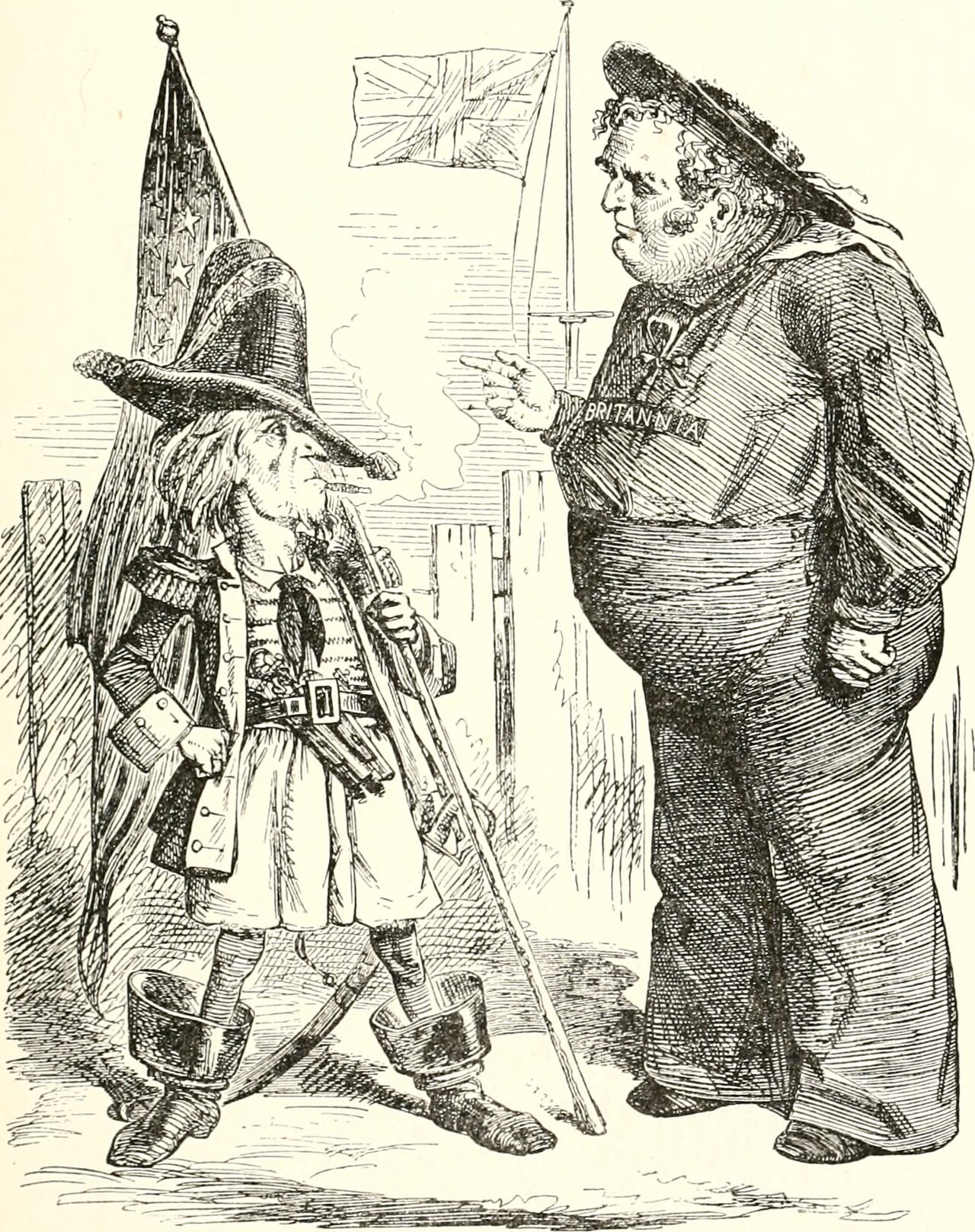
Punch seized on the word to label its own political illustrations, and the magazine's popularity carried the new meaning into everyday usage. Helen Hoppner Coode, recognised as the publication's first woman contributor, added nineteen drawings to its archive. Later decades brought Harry Furniss, Linley Sambourne, Phil May, and into the twentieth century, H. M. Bateman, Bernard Hollowood, and Norman Thelwell.
A Household Name from Drawing Rooms to the Empire
By the mid-1840s, Punch had transformed from a struggling threepenny weekly into a fixture of British domestic life. Its sophisticated wit and deliberate avoidance of offensive material set it apart from the cruder satirical press of the era, making it a welcome presence in middle-class drawing rooms and, eventually, in the households of royalty. Queen Victoria, Prince Albert, and a constellation of literary luminaries—Charlotte Brontë, Robert Browning, Thomas Carlyle, Emily Dickinson, Herman Melville, Ralph Waldo Emerson—were all among its readers. The Times and the Sunday paper News of the World regularly lifted short pieces for column filler, granting the magazine a degree of respectable visibility no other comic title enjoyed.
Peak, Decline, and a Long Farewell
Circulation tells a story of remarkable growth followed by a long, steady fade. After that post-war peak, however, the magazine entered an unbroken downward trajectory. Its material had long been collected into book form, and its legacy—embedded in the language, the visual vocabulary of political illustration, and the drawing-room culture of Victorian and Edwardian Britain—endured well beyond its last printed page.
Gallery
Frequently Asked Questions
What is Punch magazine most famous for?
The publication is widely credited with establishing the modern meaning of the word "cartoon" as a humorous illustration. Beyond that, it became a household name across Victorian Britain for its sharp satirical takes on current events and public figures.
Why is the magazine called Punch?
The name and mascot come from the anarchic puppet character Mr. Punch, drawn from the tradition of Punch and Judy street shows. This gave the publication its irreverent, subversive tone from the very beginning.
What happened to Punch after its original run ended?
The title was revived in 1996 after a long hiatus but ultimately ceased publication once more in 2002. Its legacy endures as a cornerstone of British satirical publishing and a key influence on the cartoon form.
More in Magazines & Newspapers 1-24
Spotted an error? Know more?
This is a living reference — every entry is fact-audited, and reader corrections feed straight into our audit queue. Suggest an edit · See this site's audit record