Frequently Asked Questions
The most-asked questions about lionfish and scorpionfish.
What exactly are lionfish and scorpionfish?
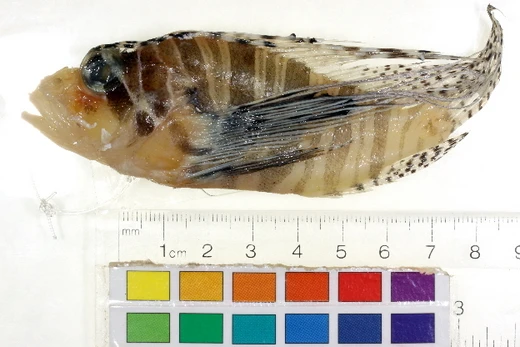
Both belong to the family Scorpaenidae, a large group of venomous, bony fish inhabiting tropical and subtropical waters worldwide. Lionfish (genus Pterois) are a flamboyant subset of scorpionfish, instantly recognizable by their fan-like pectoral fins and bold vertical stripes.
What's the actual difference between a lionfish and a scorpionfish?
Every lionfish is a scorpionfish, but the broader scorpionfish group also includes rockfish, stonefish, and many camouflaged bottom-huggers that lack the dramatic finnage. Think of lionfish as the showy, hovering specialists within a much larger and more diverse family.
Which species do fans and divers talk about the most?
The Red Lionfish (Pterois volitans) and the Devil Firefish (Pterois miles) dominate discussions as the iconic invasive pair in the Caribbean and western Atlantic. In their native Indo-Pacific range, the Commanche Lionfish (Pterois radiata) is a favorite sighting for reef divers.
Where should a complete newcomer start?
Watching slow-motion footage of a lionfish hovering in a reef current is the best first step to appreciate its fin display and ambush-hunting style. From there, exploring the Scorpaenidae family tree reveals how lionfish relate to dozens of other scorpionfish species across the globe.
Are they genuinely dangerous to humans?
Their dorsal, pelvic, and anal fin spines inject a potent venom that causes intense localized pain, swelling, and occasionally systemic symptoms like nausea or tingling. Serious or fatal reactions are rare, but a sting is painful enough to warrant a visit to a medical professional.
What is the single most notable 'event' in their story?
Beginning in the early 1980s, lionfish expanded explosively through the Caribbean and western Atlantic—likely introduced via the aquarium trade—and now outcompete native reef fish at an alarming rate. This invasion has become one of the most intensively studied marine bio-invasions of the twenty-first century.
Can you actually eat them?
Yes; once the venomous spines are carefully trimmed away, the flesh is mild, white, and flaky, prized as a delicacy in Southeast Asian cuisine and increasingly in Caribbean restaurants. Proper handling during cleaning is essential to avoid spine punctures.
How big do they typically grow?
Most lionfish species reach 25 to 45 cm (roughly 10 to 18 inches) in total length, with the Red Lionfish occasionally exceeding 38 cm. Scorpionfish as a family vary enormously, from tiny reef dwellers under 10 cm to larger species topping 60 cm.
Where do they live in the wild?
Lionfish are native to Indo-Pacific and Red Sea coral reefs and now also populate the western Atlantic and Caribbean. Scorpionfish as a whole occupy rocky outcrops, coral heads, seagrass beds, and even deeper waters across tropical and temperate oceans.
What's their breeding process like?
Lionfish are broadcast spawners: the female releases hundreds of thousands of buoyant eggs into the water column while the male fertilizes them externally, with no pair-bonding or parental care. The tiny larvae drift with ocean currents for weeks before settling onto reefs to begin their juvenile phase.