Anchanchu
Last updated

Arizz4k · CC BY-SA 4.0
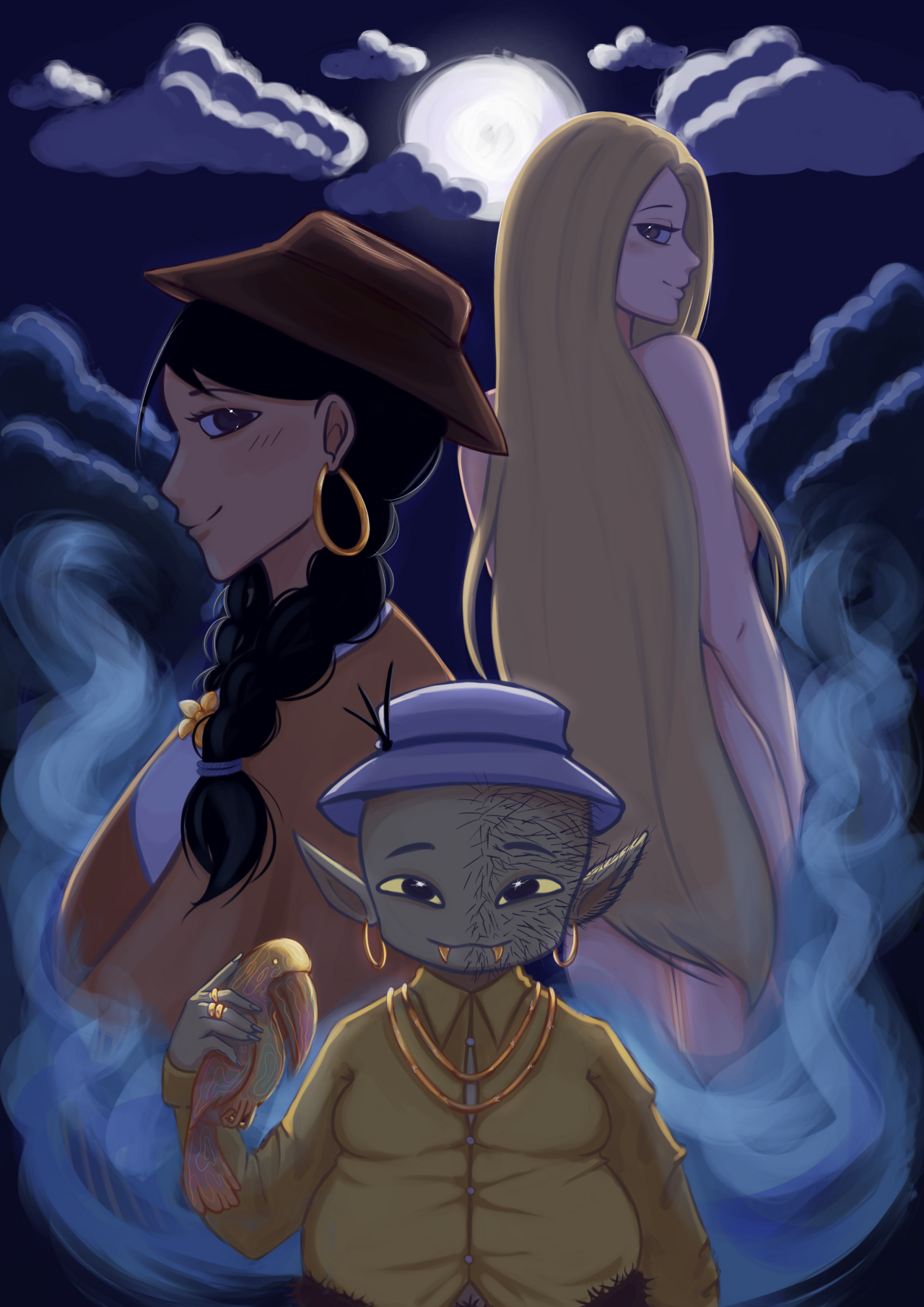
The anchanchu, also called abchanchu or anchancho, is a shapeshifting legendary being from Andean legend, most strongly tied to the Aymara region of Bolivia. It can appear as a frail old traveler, a wealthy Aymara woman with gold teeth, a seductive foreign woman, or a terrifying animal. Anyone who stops to help this creature becomes its victim: the anchanchu drinks their blood, leading to death from blood loss or illness. Because of how deadly it is, the Aymara consider it the most feared evil being.
Alternate versions
The legend also exists among the Peruvian Aymara, but there the anchanchu is a duende, or dwarf, called Muki or Muqui. This version lives underground and has a strong fondness for gold. A related deity is the Uru god Tiw, who protects mines, rivers, and lakes; his name became El Tío in Spanish. The anchanchu dwells in the most desolate caves and grottoes of the altiplano, the Andean plateau.
It has an endless hunger and roams mountain paths and the edges of grazing lands at night, leaving whirlwinds in its wake. It takes many forms: sometimes an old man, possibly hunchbacked or potbellied, with an enormous penis; other times a wealthy cholita (Aymara woman) with gold teeth, or a seductive, often nude foreign woman. It may wear luxurious clothes and is frequently seen near archaeological sites. Elsewhere, it appears as a monstrous animal, a half-human hybrid, or a giant spider.
Description
It is also linked to the fox, whose dung and remains are used as remedies for conditions caused by the anchanchu. The creature preys on compassion, sucking blood from a victim’s lips or heart. Attacks are most common when someone walks alone; to ward it off, people pray, talk to themselves, or place a small rock under the tongue. Those attacked die from blood loss or strange diseases, often driven insane first.
Victims must be treated quickly by yatiris or amautas, who perform a ritual offering called ch’iyara misa (“black table”), made of hard, dry food waste that resembles the anchanchu’s own excrement (the creature also eats its own dung). After this offering, special rituals and spiritual healing follow. If the anchanchu rejects the offering, death is certain—it will then drink the victim’s warm blood and eat their flesh. Along with other feared beings like the kharisiri, anchanchus belong to the world “of below and inside,” known as mankhapacha.
Quick Facts
- Associated with
- Ekeko (illegitimate brother), Uru god Tiw (El Tío)
Facts from the source article.
The Shapeshifter of the Altiplano
The anchanchu is a legendary Andean vampire rooted in the Aymara region of Bolivia, regarded as the most feared evil being among the Aymara people because of its lethality. It shapeshifts into a striking array of forms: a helpless elderly traveler, sometimes hunchbacked or pot-bellied with an enormous penis; a wealthy Aymara woman, or cholita, sporting gold teeth; a seductive gringa, usually in the nude; a monstrous animal; a half-animal, half-human creature; or a giant arachnid.
It dwells in the most desolate caves and grottoes of the altiplano, a high plateau in the Andes. At night it haunts mountain paths and the edges of grazing grounds, leaving behind whirlwinds. It may appear in luxurious garments and is often found near archaeological sites. The anchanchu exploits people's compassion to suck blood from their lips or heart.
Because attacks are most common when a person walks alone, tradition advises praying, talking to oneself, or placing a small rock under the tongue as a protective measure.
Gatekeeper of the Mineral Depths
In Aymara mythology the anchanchu inhabits mankhapacha, the realm described as the world of below and inside, alongside other feared creatures such as the kharisiri. Far from being a mere monster, the anchanchu serves as a gatekeeper of the underground mineral world, and tradition demands that homage be paid before any mining of the Earth's resources takes place. This ritual involves the sacrifice of a llama, burnt using dry dung fuel, accompanied by a dance performed to the sound of a siku, an Andean pan flute.
Dancers wear ceramic masks adorned with taruca horns, representing the anchanchu itself. After the sacrifice, a layqa reads the ashes of the burnt animal to discern the anchanchu's will. The Spanish colonizers, encountering this imagery, associated the anchanchu with the devil. A related dance called the Diablada has evolved since the 1600s, blending Spanish, Christian, and Aymara elements, and continues to be performed in Bolivia.
The anchanchu is also linked to the Uru god Tiw, protector of mines, rivers, and lakes, whose name became El Tío in Spanish.
Victims, the Black Table, and the Fox
Those struck by the anchanchu face a grim fate: they die from loss of blood or from strange, unexplained diseases, and the creature typically drives its victims to insanity. Traditional healing demands swift action by yatiris or amautas, spiritual practitioners who prepare an offering known as ch'iyara misa, or the black table. This offering is composed of hard, dry food waste that deliberately resembles anchanchu feces—a fitting detail, given that the creature is said to eat its own excrement.
After the black table is laid, special rituals are carried out, followed by spiritual healing. If the anchanchu is not satisfied by the offering, death is considered imminent; in that case it will drink the person's warm blood and consume their flesh. The fox holds a special association with the anchanchu in Aymara tradition, and its dung and organic remains are regarded as effective remedies for ailments caused by the creature.
Lineage, the Peruvian Duende, and Living Tradition
According to Aymara tradition, the anchanchu is the illegitimate brother of Ekeko, also known as Iqiqu, and was born from an extramarital affair between the Mallku of Chakamita and his concubines. Ekeko himself is the central figure of the Alasitas festival in La Paz, Bolivia, celebrated every January 24. The legend also extends to the Peruvian Aymara community, though the Peruvian version differs considerably: there the anchanchu takes the form of a duende, akin to a dwarf, and is called Muki or Muqui.
This underground dweller has a strong penchant for gold. While many popular online sources depict the anchanchu as a purely demonic figure, the deeper Aymara mythological framework casts it as a necessary spiritual force governing the subterranean realm. Its connection to the Uru god Tiw, protector of mines, rivers, and lakes—known in Spanish as El Tío—further underscores its role as a bridge between the human world and the mineral depths of the Andes.
More in Legendary shapeshifters
Sources
Compiled from Wikipedia and the sources listed below. Text from Wikipedia is available under CC BY-SA 4.0; this entry is adapted from it.
- Wikipedia: Anchanchu (CC BY-SA 4.0).
Spotted an error? Know more?
Reader corrections go straight into our review queue. Suggest an edit · How this site is sourced