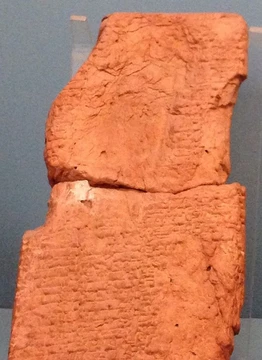
Breach of contract
Legal wrong when a binding agreement is not honored.

A breach of contract occurs when one or more parties to a binding agreement fails to honor the bargained-for exchange. This is a type of civil wrong and a legal cause of action. The breach can take the form of non-performance, interference with the other party’s performance, or a communicated intent not to perform. It may also be inferred if a party appears unable to meet its obligations. When a breach happens, the party that broke the contract must pay damages to the injured party. If a contract is rescinded, the parties are legally allowed to undo their work, provided doing so does not directly charge the other party at that exact moment.
There are two basic forms of breach. The first is an actual failure to perform the contract as and when specified. A contract sets out what must be done, what cannot be done, and the timing. If the prescribed actions are not completed within the stipulated or reasonable period, a breach has occurred. The second form is conduct showing an unwillingness or inability to perform a contractual obligation. These two types can overlap: an actual failure to perform may also show unwillingness or inability, though this is not always the case—someone may fail to perform even while willing and able. These classifications describe *how* a breach happens, not its seriousness. A judge decides whether a breach occurred based on the claims of both parties. The first type is an actual breach. The other two are breaches related to future performance, technically called renunciatory breaches (commonly known as anticipatory breaches), where the defaulting party renounces the contract before performance is due.
The general law categorizes breaches by seriousness into three types: breach of warranty, breach of condition, and breach of an innominate term (also called an intermediate term). In the absence of a contractual or statutory provision, any breach falls into one of these categories. There is no internal rating within each category (for example, no "serious breach of warranty"). A term is considered innominate unless it is clearly intended to be a condition or a warranty.
Any breach—whether of a warranty, condition, or innominate term—gives the innocent party the right to recover damages caused by the breach. In the UK, damages are the only remedy for a breach of warranty. Damages can take forms such as monetary awards, liquidated damages, specific performance, rescission, or restitution. They are classified as compensatory or punitive. Compensatory damages aim to put the innocent party in the position they would have been in "but for" the breach, and are most often paid as money. Punitive damages are meant to punish or make an example of a wrongdoer who acted willfully, maliciously, or fraudulently; they are awarded only in extreme cases and usually alongside compensatory damages. Damages for distress or disappointment are generally not allowed, though courts have considered and granted them in cases such as *Jarvis v Swans Tours Ltd* (1972) and *Farley v Skinner* (2001).
A right to terminate a contract arises for: breach of a condition (no matter how trivial); repudiatory breach (an actual breach of an innominate term serious enough to justify termination); or renunciatory (anticipatory) breach, where the other party makes clear it will not perform at all, will breach a condition, or will breach an innominate term with serious consequences. An innocent party can elect to terminate only for these types of breach. To terminate for repudiatory breach, the innocent party must inform the defaulting party. Many commercial contracts include clauses specifying a notice process and form, so written contracts should be checked carefully. The contract is terminated only when the defaulting party is told the repudiatory breach has been accepted. If not told, the contract continues.
- field
- Contract law
- known_for
- Legal cause of action for failure to honor a binding agreement
- types_of_breach
- Actual breach, renunciatory (anticipatory) breach
- categories_by_seriousness
- Breach of warranty, breach of condition, breach of innominate term
- remedies
- Damages (compensatory or punitive), specific performance, rescission, restitution
Lore & Background
Breach of contract is a legal cause of action and a type of civil wrong arising when a binding agreement or bargained-for exchange is not honored by one or more parties. This occurs through non-performance or interference with the other party's performance. A party breaches by failing to fulfill its obligations, whether partially or wholly, as described in the contract, or by communicating an intent to fail, or by otherwise appearing unable to perform. When a breach occurs, the resulting damages must be paid to the aggrieved party by the breaching party. If a contract is rescinded, parties are legally allowed to undo the work unless doing so would directly charge the other party at that exact time. There are two elementary forms of breach: actual failure to perform as and when specified, and conduct indicating an unwillingness or inability to perform. These forms overlap; an actual failure may manifest unwillingness or inability, but a party may fail even when willing or able. The classifications describe only how a contract can be breached, not the seriousness of the breach. A judge decides whether a breach occurred based on the claims of both parties. The first type is an actual breach; the other two are renunciatory breaches (commonly called anticipatory breach), where the defaulting party renunciates the contract in advance of performance. The general law categorizes breaches by seriousness: breach of warranty, breach of condition, or breach of an innominate term (intermediate term). There is no internal rating system within these categories. A term is innominate unless clearly intended as a condition or warranty. Any breach gives the innocent party the right to recover damages suffered, which may include monetary damages, liquidation damages, specific performance, rescission, or restitution. Damages are compensatory (to place the innocent party in the position "but for" the breach) or punitive (to punish willful, malicious, or fraudulent conduct, awarded only in extreme cases). Damages for distress or disappointment are generally not allowed. A right to terminate arises for breach of a condition (no matter how trivial), repudiatory breach of an innominate term with sufficiently serious consequences, or renunciatory breach where the other party indicates it will not perform or will commit a serious breach. To terminate for repudiatory breach, the innocen
Reader's Guide
The general law categorizes breaches by seriousness into breach of warranty, breach of condition, or breach of an innominate term. Any breach gives the innocent party a right to recover damages. Damages are compensatory (to place the innocent party in the position 'but for' the breach) or punitive (for willful, malicious, or fraudulent conduct, awarded only in extreme cases). A right to terminate arises for breach of a condition, repudiatory breach (actual breach of an innominate term with sufficiently serious consequences), or renunciatory breach (anticipatory breach showing intent not to perform). The innocent party must elect to terminate by notifying the defaulting party; otherwise the contract continues. Conduct is repudiatory if it deprives the innocent party of substantially the whole benefit intended. Renunciatory conduct shows an intention to commit a repudiatory breach, judged by a reasonable person standard.
Did You Know?
- Breach of contract can be actual failure to perform or conduct indicating unwillingness or inability to perform.
- Renunciatory breach is also known as anticipatory breach.
- Damages for distress or disappointment are not generally allowed, but have been considered in cases such as Jarvis v Swans Tours Ltd and Farley v Skinner.
- An innocent party may lose the right to terminate if it waits for performance and the defaulting party performs.
More in Legal Systems & Concepts 1-24
Spotted an error? Know more?
This is a living reference — every entry is fact-audited, and reader corrections feed straight into our audit queue. Suggest an edit · See this site's audit record