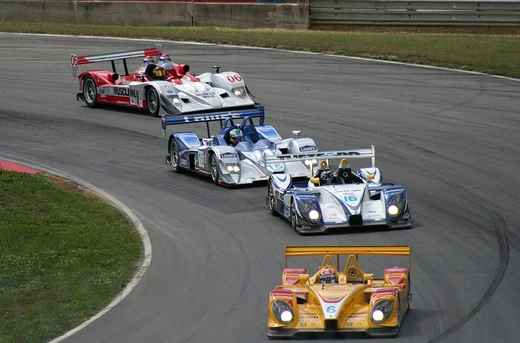
Lola B98/10
A privateer-focused prototype that raced in Europe and North America.

Martin Lee from London, UK · CC BY-SA 2.0
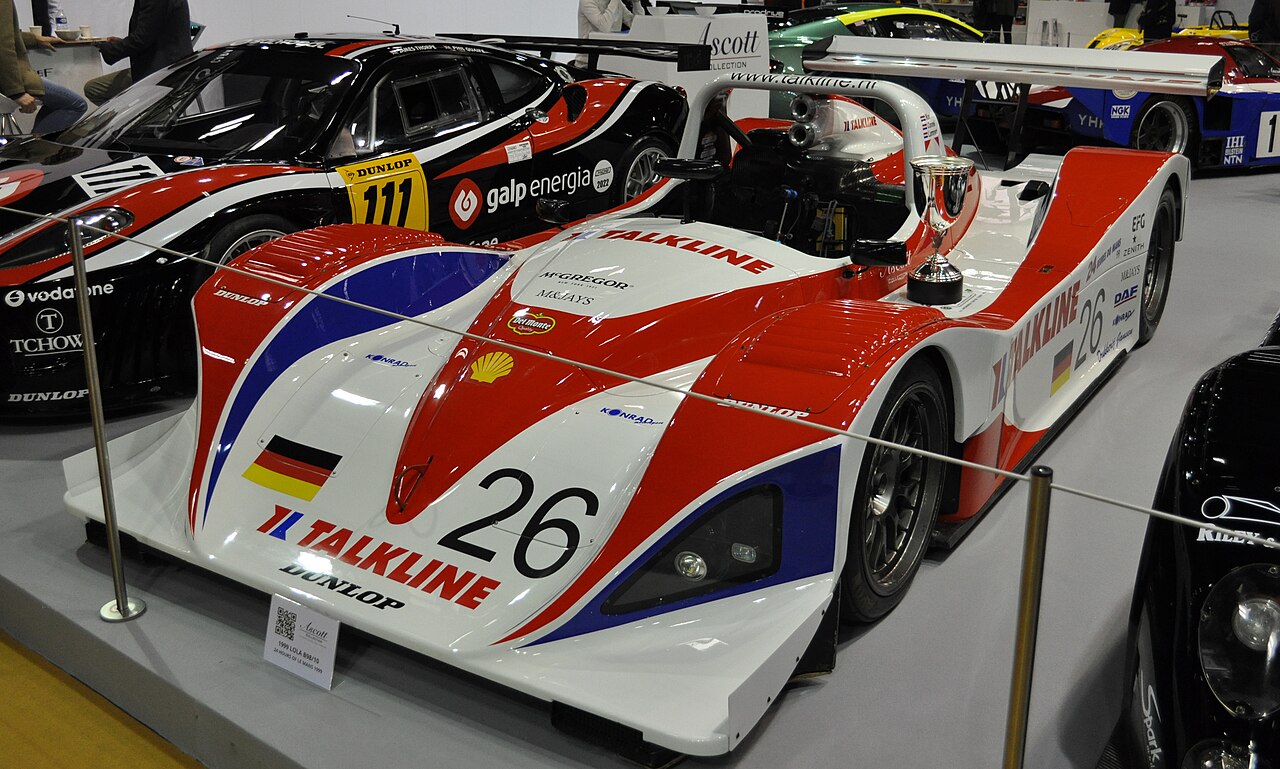
The Lola B98/10 was a Le Mans Prototype from Lola Cars International, competing in the International Sports Racing Series, American Le Mans Series, and the 24 Hours of Le Mans. It marked Lola’s return to international sports car racing after a hiatus that began in 1992 with the T92/10. The B2K/10 replaced it in 2000.
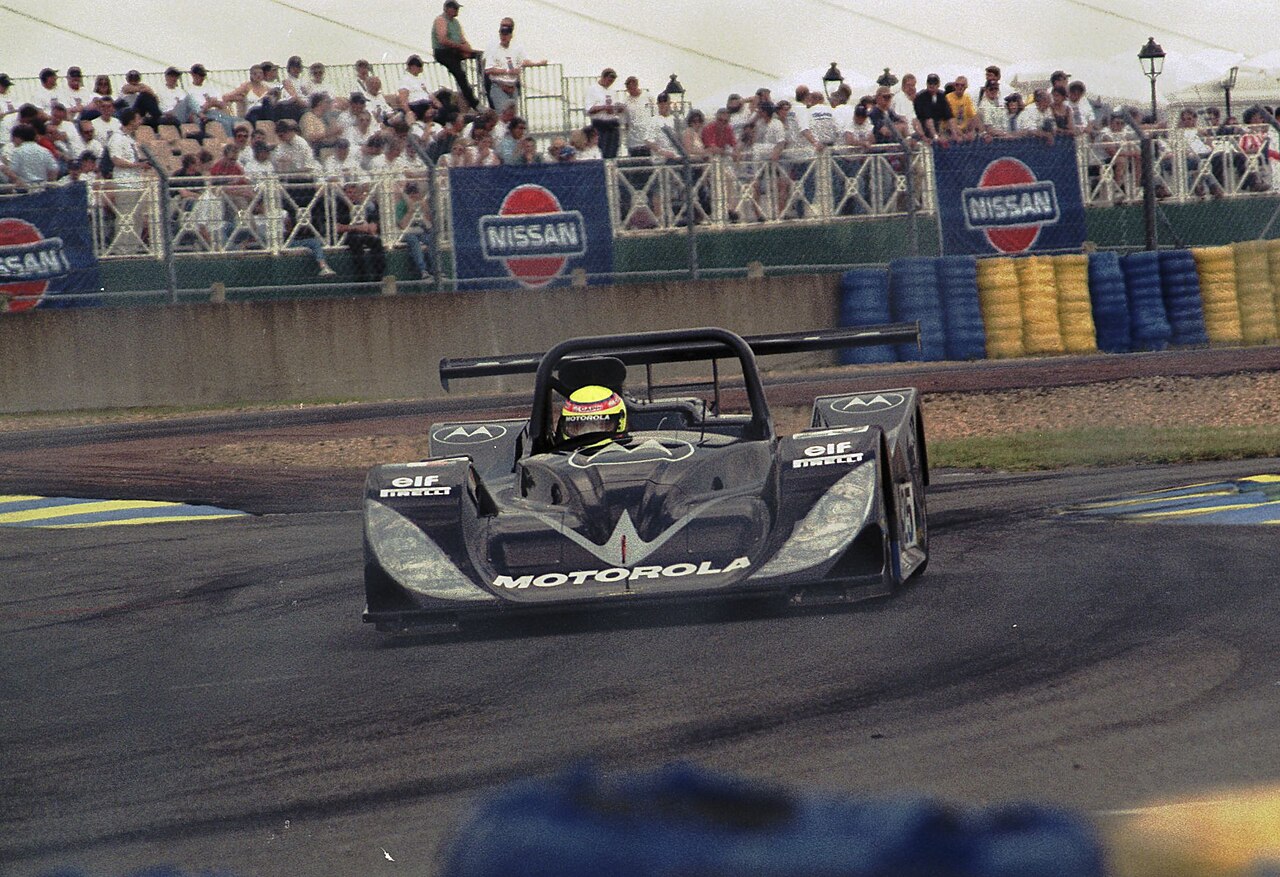
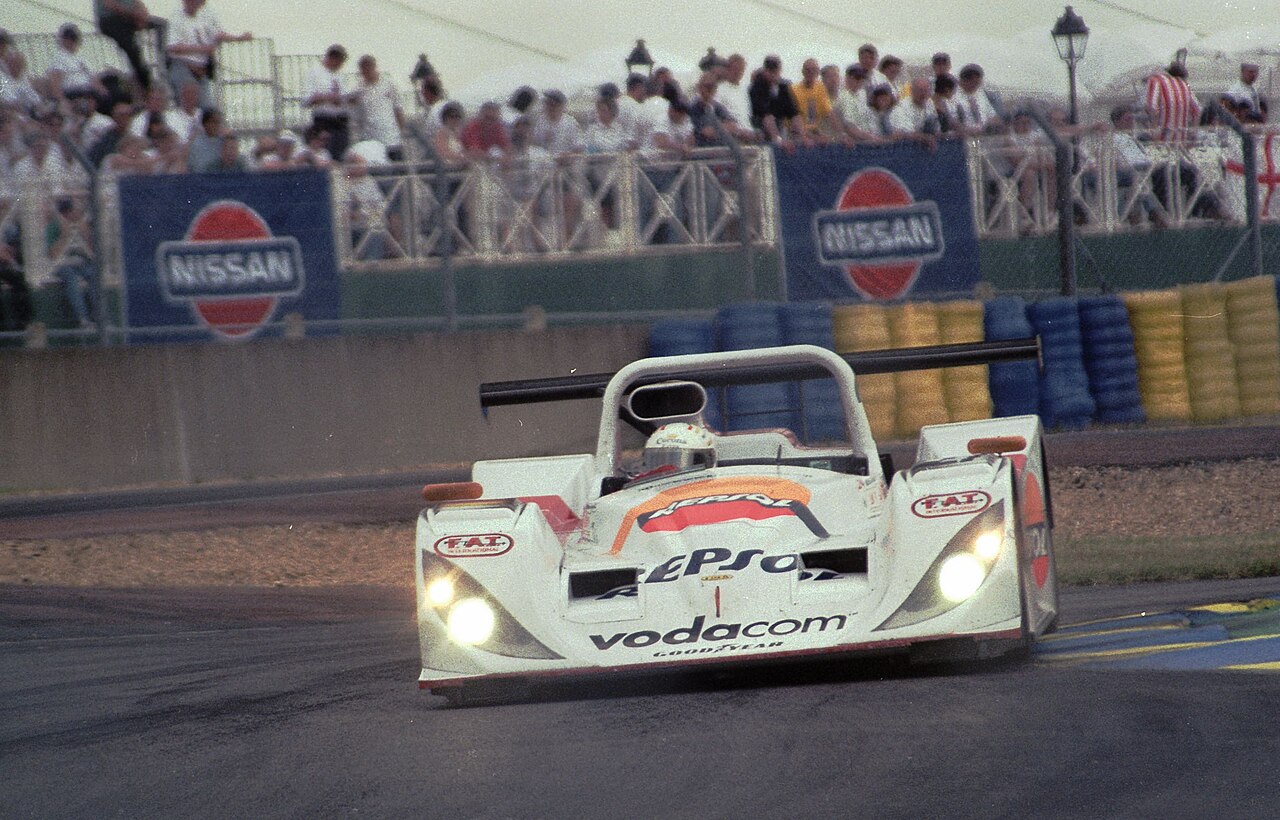
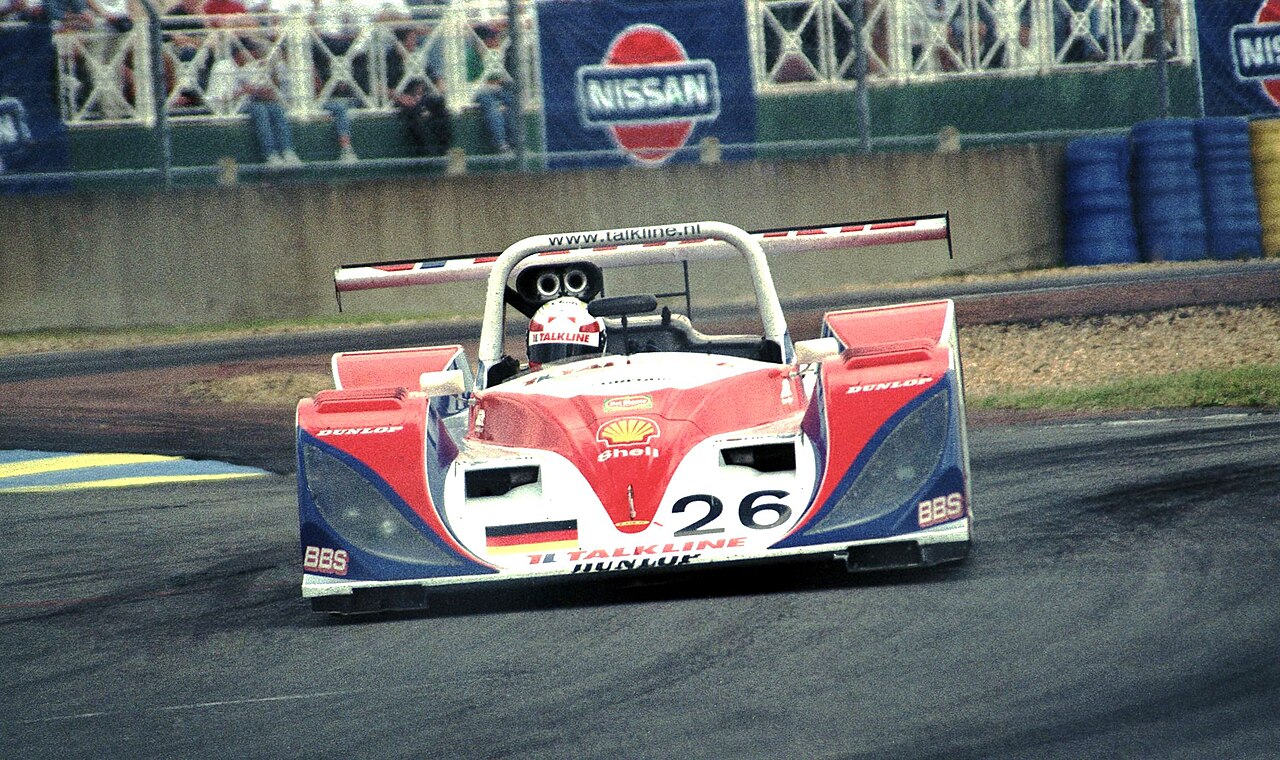
Designed as an affordable, capable prototype without major manufacturer backing, the B98/10 targeted privateers and could adapt to various series. Its front end featured blunt fenders with headlights mounted on the sides due to the fenders’ sharp curve, allowing a large splitter across the nose. Engine air intakes sat under the rollbar, resembling an open-wheel car. While the car was built around a Roush-designed Ford 6.0-liter V8, customer teams could choose from a turbocharged Ford V6, Lotus V8, Chevrolet V8, BMW inline-6, or Judd V10. Most engines fit the small chassis, though the turbo Ford required additional intakes in the bodywork. Eight B98/10s were constructed.
Though intended for 1998, the first chassis wasn’t completed until fall of that year, after Dyson Racing tested it following the inaugural Petit Le Mans. The car debuted in 1999. Intersport Racing and Konrad Motorsport were the first customers; Konrad used a Lotus engine instead of the Ford. Both entered the 24 Hours of Daytona in the USRRC Can-Am class but failed to finish due to mechanical issues. They then moved to the ALMS opener, the 12 Hours of Sebring, joined by Team Cascadia with a BMW engine. Intersport finished 19th. The field grew with Multimatic Motorsports and the Whittington Brothers, while Team Cascadia upgraded to a Chevrolet V8.
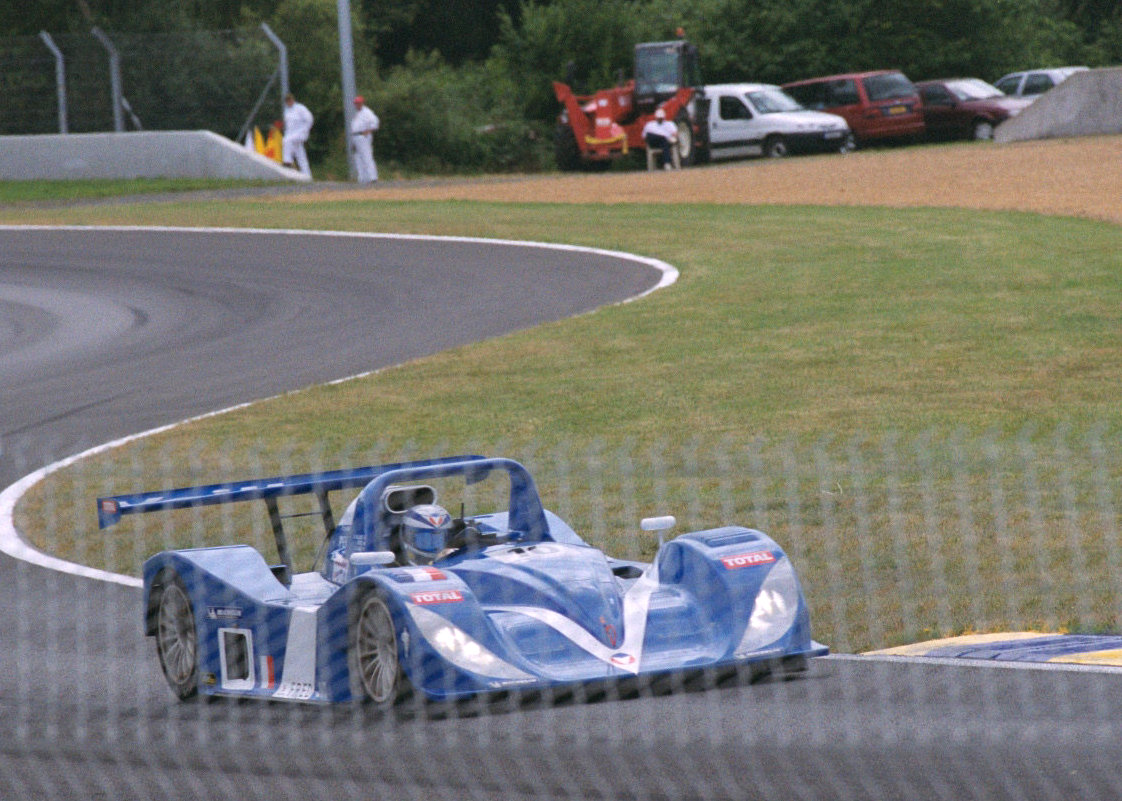
In Europe, DAMS and Kremer Racing debuted B98/10s in the International Sports Racing Series; DAMS used a Judd GV4 V10. While American cars struggled against factory teams from Audi, BMW, and Panoz, European squads fared better. DAMS scored four wins, finishing third in the teams championship. DAMS, Kremer, and Konrad (now with a Ford V8) entered the 1999 24 Hours of Le Mans, but none finished.
For 2000, the B2K/10 effectively replaced the B98/10, though older cars continued. Kremer upgraded theirs, calling it the B98/K2000, and won the final Sports Racing World Cup race. In North America, Intersport and Multimatic ran select Grand American and ALMS events; Konrad competed on both continents.
Quick Facts
- Manufacturer
- Lola Cars International
- First season
- 1999
- Total built
- 8
- Engine options
- Roush-designed Ford 6.0 L (6,000 cc) V8, turbocharged Ford V6, Lotus V8, Chevrolet V8, BMW Inline-6, Judd V10
- Notable teams
- DAMS
- Kremer Racing
- Intersport Racing
- Konrad Motorsport
- Multimatic Motorsports
- Bob Berridge Racing
- Successor
- Lola B2K/10
Facts from the source article.
Lore & Background
Intended as a cheap yet capable prototype, the B98/10 was designed without the input of a major manufacturer, so it was offered to privateers to fulfill various roles in different series. The front end featured blunt fenders with headlights mounted on the side due to the extreme curving angle of the fenders, allowing a large splitter across the entire nose. The air intakes for the engines were placed underneath the rollbar in a fashion similar to an open-wheel race car. A wide variety of engines were available to customer teams, but the cars were designed around the Roush-designed Ford 6.0 Litre V8. Many B98/10 chassis used this engine, while others opted for a turbocharged Ford V6, a Lotus V8, a Chevrolet V8, a BMW Inline-6, or a Judd V10. All these engines fit in the small chassis, though minor modifications were needed for some, such as the turbocharged Ford requiring intakes for the turbo incorporated into the bodywork. A total of eight B98/10s were built.
Reader's Guide
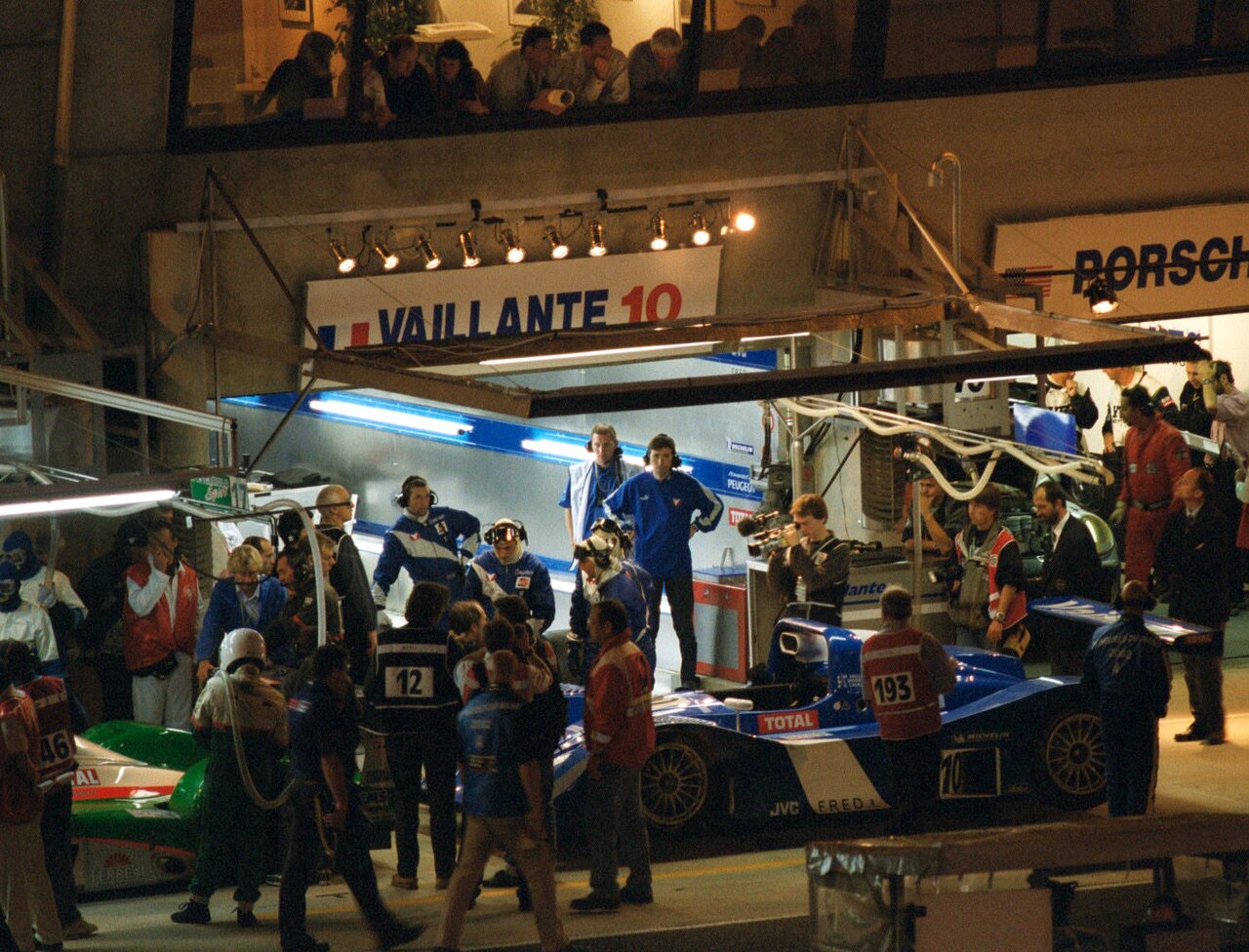
Although intended for competition in 1998, the first B98/10 chassis was not completed until fall of that year, forcing the cars to debut in 1999. In North America, Intersport Racing and Konrad Motorsport were the first customers, debuting at the 24 Hours of Daytona in the Can-Am class, where both failed to finish. The cars improved through the American Le Mans Series season, with Intersport taking a 19th-place finish at the 12 Hours of Sebring. In Europe, DAMS and Kremer Racing debuted in the International Sports Racing Series, with DAMS taking four wins and earning third in the teams championship. At the 1999 24 Hours of Le Mans, DAMS, Kremer, and Konrad entered but none finished. For 2000, the B98/10 was effectively replaced by the B2K/10, but continued in competition. Kremer Racing upgraded their car to the B98/K2000 and took a single win in the last race of the Sports Racing World Cup. In 2001, only Kremer's car remained active, scoring points in only two rounds of the FIA Sportscar Championship. In 2002, two chassis were purchased for competition: Eventus Motorsport ran selection FIA Sportscar Championship races, while Bob Berridge Racing, with DAMS' assistance, entered the 24 Hours of Le Mans for a film about the comic book character Michel Vaillant, with the B98/10 representing the hero's car. The car carried film equipment for most of the race, making it uncompetitive. The B98/10 made one final appearance at the 2003 FIA Sportscar Championship Donington round before retiring.
Gallery
Frequently Asked Questions
What engines could power the Lola B98/10?
The B98/10 was engine-agnostic, accepting a Roush-designed Ford 6.0L V8, a turbocharged Ford V6, a Lotus V8, a Chevrolet V8, a BMW inline-six, or a Judd V10. This flexibility let privateers choose whatever powerplant fit their budget and series requirements.
Who were the notable teams that raced the Lola B98/10?
Teams like DAMS, Kremer Racing, Intersport Racing, Konrad Motorsport, Multimatic Motorsports, and Bob Berridge Racing all campaigned the B98/10. Only eight chassis were built in total, making each one a scarce asset in the privateer paddock.
More in Le Mans Prototypes
Spotted an error? Know more?
Reader corrections go straight into our review queue. Suggest an edit · How this site is sourced