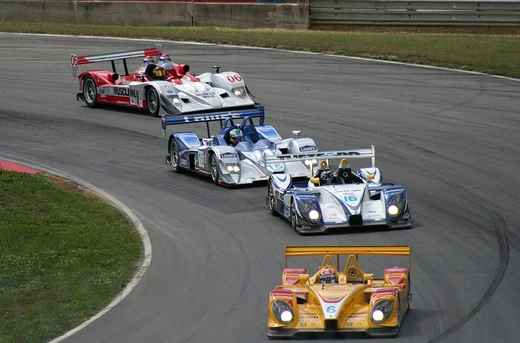
Ginetta-Zytek GZ09S
Evolutionary LMP1 prototype with a pioneering hybrid variant.

DoomWarrior · CC BY-SA 3.0
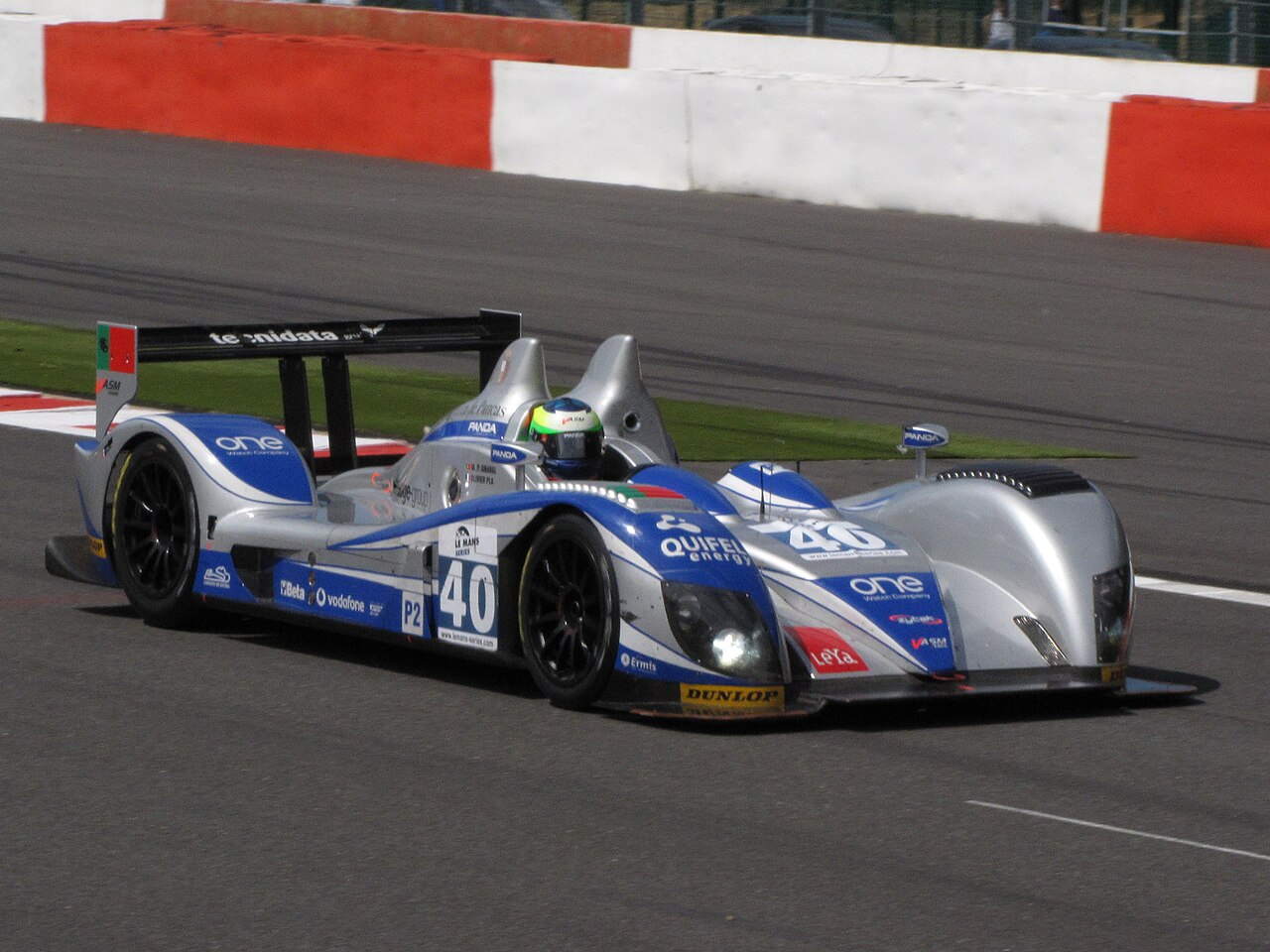
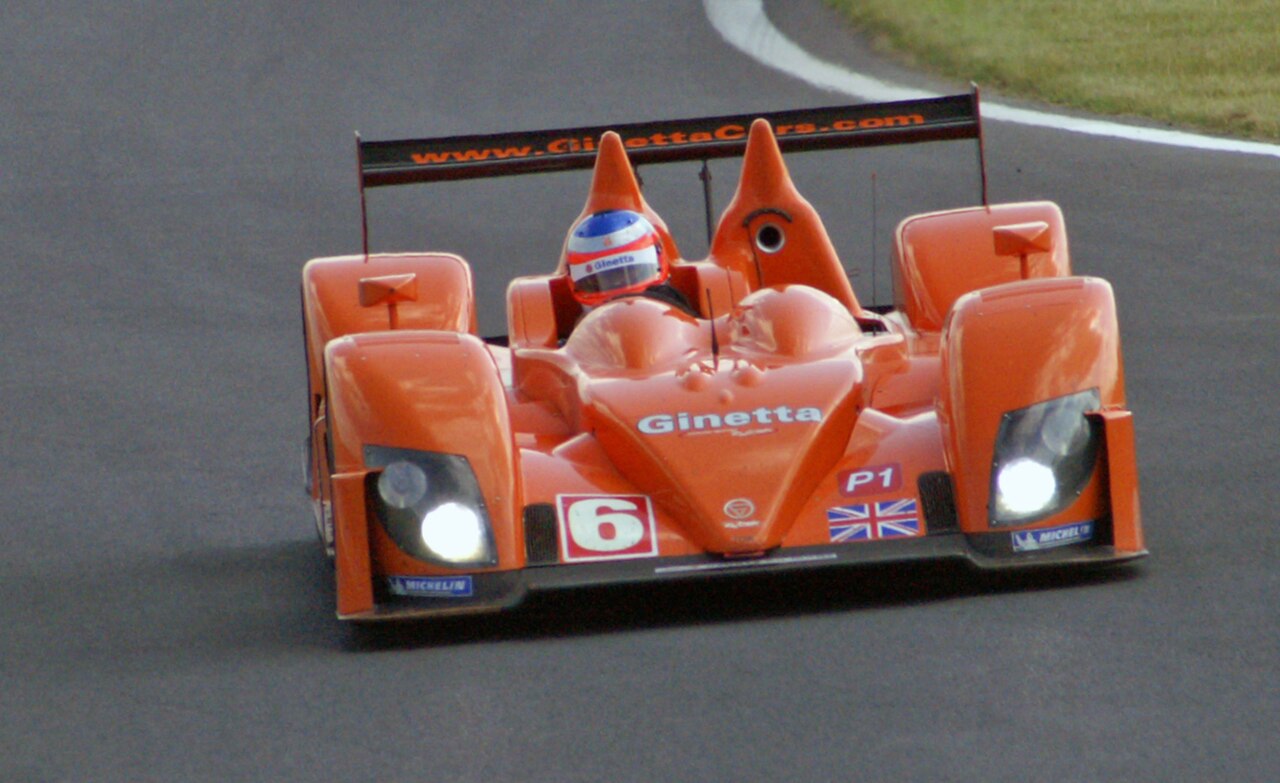
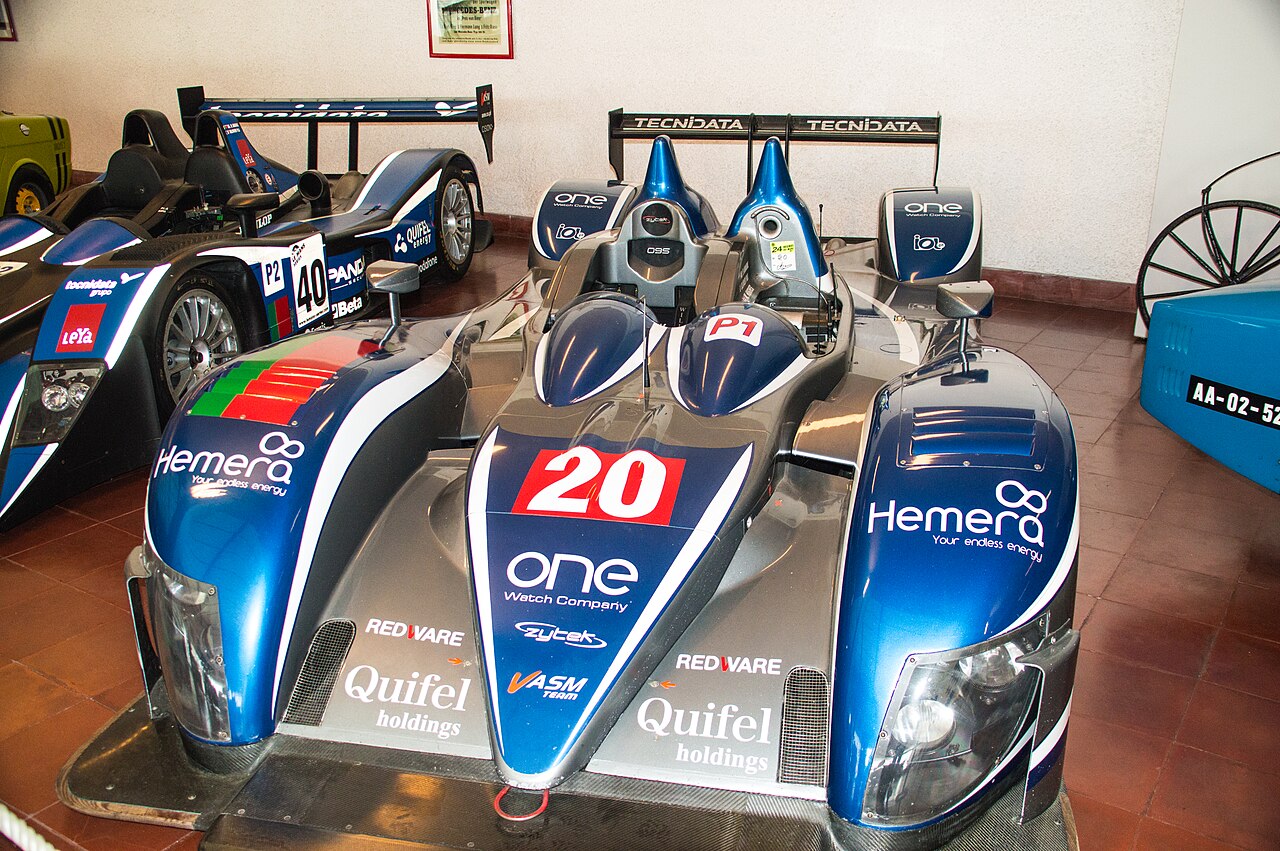
The Ginetta-Zytek GZ09S was a Le Mans Prototype built for the LMP1 class, developed by Zytek Engineering after its partial merger with Ginetta. It was a refined version of the earlier Zytek 07S, with its bodywork revised to meet the 2009 LMP regulations. A separate LMP2 variant, the GZ09S/2, was also produced; following rule changes in 2011, this version was reclassified as an LMP1 car and renamed the Zytek 09SC. The GZ09S was retired at the end of that season, as it was no longer eligible to compete. Although still technically eligible to compete, the car was essentially made obsolete by the new LMP1 regulations for 2011, and thus did not appear again. The GZ09S was powered by a 4.5-liter, 635-horsepower Zytek ZJ458 naturally aspirated V8 engine. Strakka Racing moved into LMP1 for the first time in 2009, entering the car in both the Le Mans Series and the 24 Hours of Le Mans. At the season-opening 1000 km of Catalunya, Danny Watts took the car’s first pole position, and the team finished fifth. At Le Mans, Strakka placed 14th in class, while the Team LNT entry retired due to a ruptured fuel line. Corsa Motorsports ran a hybrid version of the GZ09S at the 2009 Northeast Grand Prix, marking the first time a hybrid car competed in the American Le Mans Series; drivers Johnny Mowlem and Stefan Johansson finished third overall. Corsa entered four more races that season, the only ALMS team to use the car. Former Formula 1 champion Nigel Mansell entered the 1000 km of Silverstone, the final 2009 LMS round, but finished 28th overall, last among classified LMP1 cars. In 2010, Beechdean-Mansell Motorsport and LNT were the only teams running the GZ09S in the Le Mans Series. Mansell won his class and finished seventh overall at the 1000 km of Hungaroring, a race where the top six positions were all LMP2 cars due to problems among LMP1 entrants. Mansell, alongside his sons Leo and Greg, entered the 2010 24 Hours of Le Mans as the sole GZ09S entry, marking Nigel’s debut at the event. The race lasted only 17 minutes: a puncture caused a heavy crash at Mulsanne corner, forcing the first father-and-son team in Le Mans history to withdraw. The team disbanded after the season. Although still technically eligible, the car was made obsolete by new LMP1 regulations for 2011 and did not race again.
Quick Facts
- Category
- LMP1
- Constructor
- Zytek Engineering
- Predecessor
- Zytek 07S
- Team
- Strakka Racing (2009)
- Team LNT (2009-2010)
- Corsa Motorsports (2009)
- Beechdean-Mansell Motorsport (2010)
- Chassis
- Carbon-fibre monocoque
- Front suspension
- Independent double wishbone pushrod system with horizontal spring/damper unit
- Length
- 4,561 mm / 15 ft
- Wheelbase
- 2,815 mm / 9 ft 3 in
Facts from the source article.
Lore & Background
The GZ09S was designed for the new LMP1 regulations announced for the 2009 24 Hours of Le Mans. For 2009, Strakka Racing moved up into LMP1 for the first time, entering a GZ09S in both the Le Mans Series and the 24 Hours of Le Mans. Danny Watts gained his first pole at the 1000 km of Catalunya, the car's debut event, before finishing fifth. At Le Mans, Strakka finished 14th in class, while the Team LNT entry retired due to a ruptured fuel line. ALMS team Corsa Motorsports entered a hybrid version at the 2009 Northeast Grand Prix, the first hybrid car in the series, finishing third overall. Corsa entered four other events that season, the only ALMS team to use the GZ09S. Former Formula 1 world champion Nigel Mansell entered the 1000 km of Silverstone, the final race of the 2009 LMS season, finishing 28th overall, last of the classified LMP1 cars.
Reader's Guide
For 2010, Beechdean-Mansell Motorsport and LNT were the only teams to enter the GZ09S in the Le Mans Series. Mansell took a class victory and seventh overall at the 1000 km of Hungaroring, a race where the top six places were filled solely with LMP2 cars due to misfortunes among LMP1 entrants. Mansell, partnered by his sons Leo and Greg, was the only GZ09S entry in the 2010 24 Hours of Le Mans, with Nigel making his debut. He lasted just 17 minutes before a puncture caused a heavy crash at Mulsanne corner, forcing the first father-and-son team in Le Mans history to withdraw. The team folded soon after the season. Although still technically eligible, the car was made obsolete by new LMP1 regulations for 2011 and did not appear again. The GZ09S's significance lies in its hybrid milestone and its brief association with a Formula 1 champion's family effort.
Development & the Merger Catalyst
The Ginetta-Zytek GZ09S emerged from a defining moment in the relationship between Zytek Engineering and Ginetta. Zytek Engineering served as the primary developer of the vehicle, which was conceived as a Le Mans Prototype race car. The project's genesis was directly tied to a partial merger between the two organizations, a corporate alignment that gave the machine its distinctive dual-branded identity. The year 2009 marks when this collaboration produced a tangible racing machine. Rather than being a standalone product of a single manufacturer, the GZ09S represented a synthesis of Zytek's engineering capabilities and Ginetta's broader automotive identity. The partial nature of the merger is a notable detail—it suggests that while the two entities came together for this specific racing endeavor, they retained distinct operational identities beyond it. The result was a car that carried both names, reflecting the shared investment and shared ambition that defined this particular chapter in both organizations' histories. The vehicle stands as a physical testament to what a focused, time-bound partnership between engineering and brand could produce in the world of prototype racing.
Regulatory Identity & LMP1 Compliance
From the moment of its conception, the GZ09S was designed with a specific regulatory target in mind: the LMP1 class. Zytek Engineering built and designed the car to comply with LMP1 rules and regulations, meaning every aspect of its construction was shaped by the technical constraints and performance parameters of that top-tier prototype category. This was not a car that was later adapted to fit a class; rather, LMP1 compliance was embedded in the design philosophy from the outset. The vehicle was classified as a sports prototype race car, a designation that places it within a specific tier of motorsport where engineering innovation and raw performance take precedence over the constraints of road-going homologation. The Le Mans Prototype designation further anchors the GZ09S within the tradition of endurance racing, where reliability and sustained pace over long distances are as critical as outright speed. By targeting LMP1, the GZ09S was positioned at the very apex of prototype competition, a class that demands the highest level of engineering commitment from its participants.
Naming, Lineage & Evolution
The GZ09S carries a naming convention that encodes both its corporate parentage and its temporal origin. Officially designated the Ginetta-Zytek 09S, the car is also commonly referred to simply as the Zytek 09S, a shorthand that foregrounds the engineering firm's central role in its creation. The "09" in the designation corresponds to the year 2009, when the vehicle was developed, while the "GZ" prefix together with the "S" suffix encode the partnership between Ginetta and Zytek. The car is described as a direct evolution within the GZ09S lineage, a statement that underscores the iterative, continuous nature of prototype development. In the world of Le Mans Prototypes, cars are rarely static; they are living platforms that evolve through successive refinements and design iterations. The GZ09S represents one point on that evolutionary curve, a snapshot of a design philosophy being refined and pushed forward within a single model family. The dual naming, the year designation, and the evolutionary framing together paint a picture of a car that was both a product of its specific moment and a link in an ongoing chain of engineering progress.
The Sports Prototype Category
The GZ09S occupies a specific and demanding niche within the broader landscape of motorsport. Classified as a sports prototype race car, it belongs to a category where vehicles are purpose-built for competition rather than derived from production road cars. This distinction is fundamental: the GZ09S was not a modified production vehicle but a dedicated racing machine, engineered from the ground up for the specific demands of prototype competition. Its designation as a Le Mans Prototype further situates it within the tradition of endurance racing, a discipline that tests not only peak performance but also the ability to sustain that performance over extended periods. The LMP1 compliance requirement meant that the GZ09S had to meet the highest technical standards in its class, a benchmark that demands comprehensive engineering solutions across aerodynamics, powertrain, chassis, and safety. For Zytek Engineering, building a car that satisfied these exacting LMP1 regulations while operating under the constraints of a partial corporate partnership represented a significant technical and organizational challenge. The GZ09S stands as evidence of what such a focused engineering effort could achieve within the 2009 racing season.
Gallery
More in Le Mans Prototypes
Spotted an error? Know more?
Reader corrections go straight into our review queue. Suggest an edit · How this site is sourced