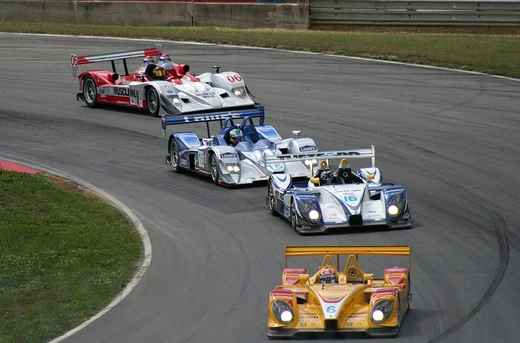
Ferrari 333 SP
Ferrari's return to sports car racing after a 20-year hiatus.

Andrew-44-19 · CC BY-SA 4.0
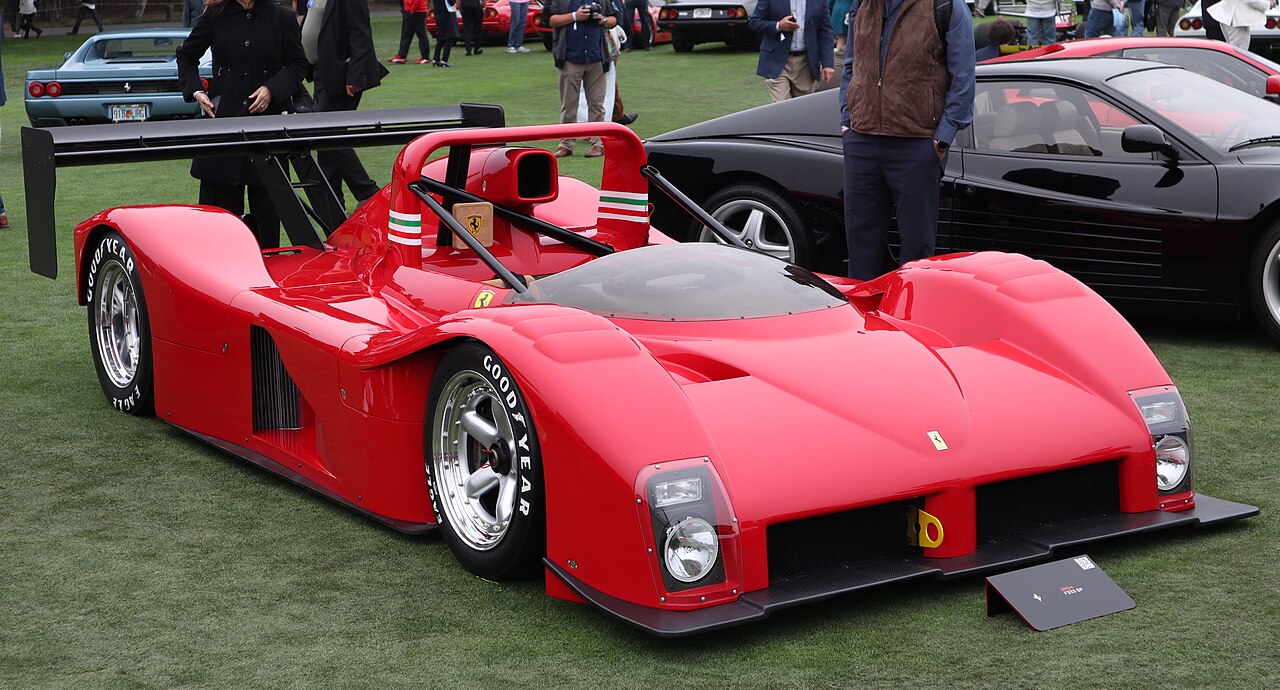
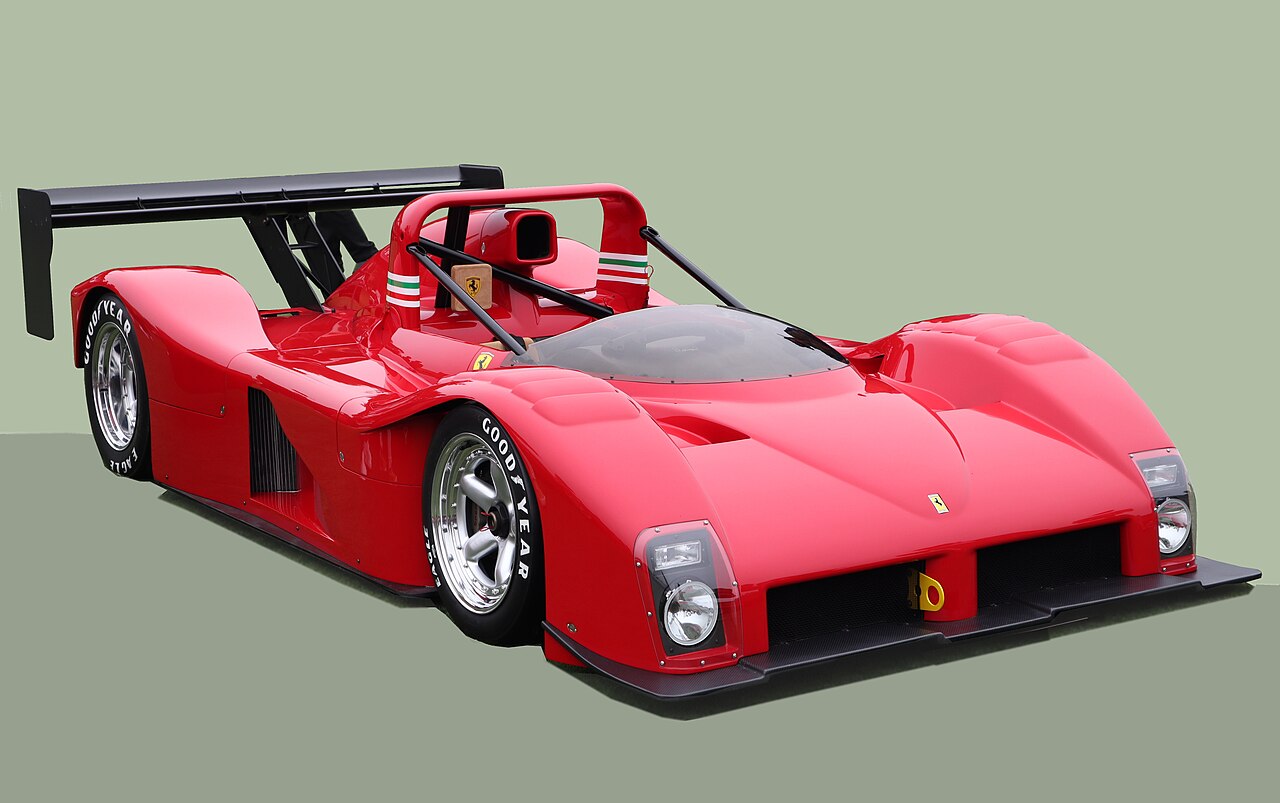
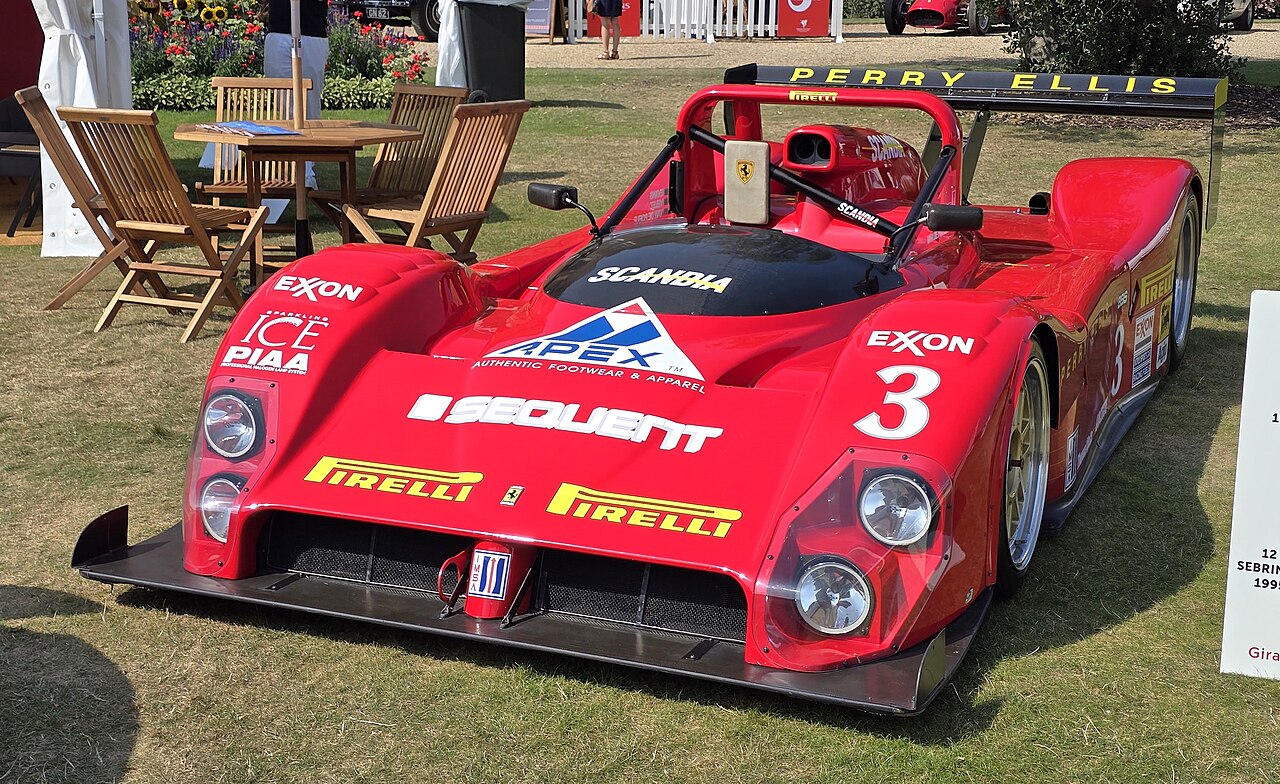
The Ferrari 333 SP was a sports prototype racer created by Ferrari, with construction handled by Dallara and later Michelotto, for the World Sports Car Championship. It debuted in late 1993, driven by the request of amateur racer Giampiero Moretti, who owned the MOMO auto parts company. This car ended Ferrari’s two-decade absence from sports car racing, which had lasted since 1973, and was designed for the IMSA series’ new WSC category, which had taken over from the earlier GTP class. Forty chassis were built in total: the first four by Ferrari, the next eleven by Dallara, and the final twenty-six by Michelotto. Of these, twenty-seven are believed to have competed in races between 1994 and 2003. During development, Ferrari brought in Dallara to help with the project. Dallara supplied the transmission and suspension, handled aerodynamics, and built the bodywork. The gearbox used Hewland mechanical parts inside a custom Dallara casing. Ferrari itself developed the chassis tub and engine. British engineer Tony Southgate joined early in 1994 and helped design and run the cars through the end of 1995. The Tipo F130E engine was a modified version of the 65-degree V12 from Ferrari’s 1990 Formula One car, the 641. It was enlarged from 3.5 liters to 4.0 liters and produced 641 horsepower at 11,000 rpm, though this was about 40 to 70 horsepower less than the original engine. Southgate later called it one of the most reliable race engines he had ever worked with. The car’s first race was the third round of the 1994 IMSA GT Championship at Road Atlanta on April 17, where it took first and second places. Four cars were assigned to three teams: Euromotorsport (chassis 002 built by Ferrari and chassis 005 by Dallara), Momo Corse (chassis 004, Ferrari), and Team Scandia (chassis 003, Ferrari). At the next round at Lime Rock, the Ferraris swept the podium, and they won three more races that season. However, because Ferrari missed the first two IMSA rounds at Daytona and Sebring, Oldsmobile (using a Kudzu chassis) beat them for the makes championship, and the top Ferrari driver, Andy Evans, finished fifth in the drivers’ standings. In 1995, the 333 SP rebounded. It was unreliable at the 24 Hours of Daytona but won the 12 Hours of Sebring and then four more races.
Quick Facts
- Category
- Le Mans Prototype
- Constructor
- Italy Dallara (Series One), Italy Michelotto (Series Two)
- Predecessor
- Ferrari 312 PB
- Successor
- Ferrari 499P
- Chassis
- carbon fibre and aluminium honeycomb monocoque
- Front suspension
- Double wishbone, pushrod operated coil spring and dampers
- Engine position
- mid, longitudinally mounted
- Engine name
- Ferrari F130E
Facts from the source article.
Lore & Background
The 333 SP was developed with assistance from Dallara, which provided the transmission, suspension, aerodynamic development, and bodywork construction. The gearbox used Hewland mechanical parts housed within a custom Dallara casing, while Ferrari developed the chassis tub and engine in-house. British race car engineering consultant Tony Southgate joined the project in early 1994 and helped design and run the cars until the end of 1995. The Tipo F130E engine was a modified version of the 65-degree V12 from the 1990 Ferrari 641 Formula One car, enlarged from 3.5 L to 4.0 L and producing 641 hp at 11,000 rpm, though still down on power from the original engine by about 40-70 hp. Southgate later described it as 'one of the most reliable race engines I have ever worked with.'
A total of 40 chassis were built: the first 4 by Ferrari, then 11 by Dallara, and the remaining 26 by Michelotto. It is believed that 27 chassis were raced between 1994 and 2003. The car debuted in the third round of the 1994 IMSA GT Championship at Road Atlanta on 17th April, securing the first two places. Four cars were allocated to three teams: Euromotorsport, Momo Corse, and Team Scandia. In 1995, the 333 SP took top honors at the 12 Hours of Sebring and secured four wins, winning the makes championship and the drivers title for Fermín Velez. The car made its debut at the 24 Hours of Le Mans that year, with its best result being 6th place; however, the following year the red #12 of Risi Competizione won the LMP1 class at their first Le Mans race. In 1997, the Ferrari won again at Sebring and took another four wins, but was losing competitiveness against more modern Riley & Scott designs. In 1998, the car was slightly updated and found new life in the International Sports Racing Series, winning every race and scoring the championship's top two spots. Starting from 1999, the car found its niche in European races, as the newly introduced American Le Mans Series saw factory-backed Audi and BMW entries dominating against privateer Ferraris. The 333 SP gradually disappeared from international sports car racing as it became outdated in chassis, engine, and aerodynamics, with its final appearance at the 2003 500km of Monza.
Reader's Guide
The Ferrari 333 SP holds significance as the car that marked Ferrari's official return to sports car racing after a 20-year absence, a return initiated by amateur racer Giampiero Moretti. Its development involved a collaboration between Ferrari, Dallara, and later Michelotto, producing a total of 40 chassis over its production run. The car's Tipo F130E engine, derived from a Formula One V12, was noted for its reliability despite being down on power compared to its F1 predecessor. The 333 SP achieved notable success in the IMSA GT Championship, winning the makes championship in 1995 and 1998, and taking the drivers title in 1995. It also won the LMP1 class at the 24 Hours of Le Mans in 1996 with Risi Competizione. In the International Sports Racing Series (later FIA Sportscar Championship), the car dominated by winning every race in 1998 and securing three consecutive championships from 1998 to 2000. However, its competitiveness waned against newer designs, particularly in the American Le Mans Series where factory-backed entries from Audi and BMW outclassed privateer Ferraris. The car's legacy includes its adaptability, with some chassis later fitted with Judd engines in an attempt to stay competitive, and its final appearance at the 2003 500km of Monza.
Gallery
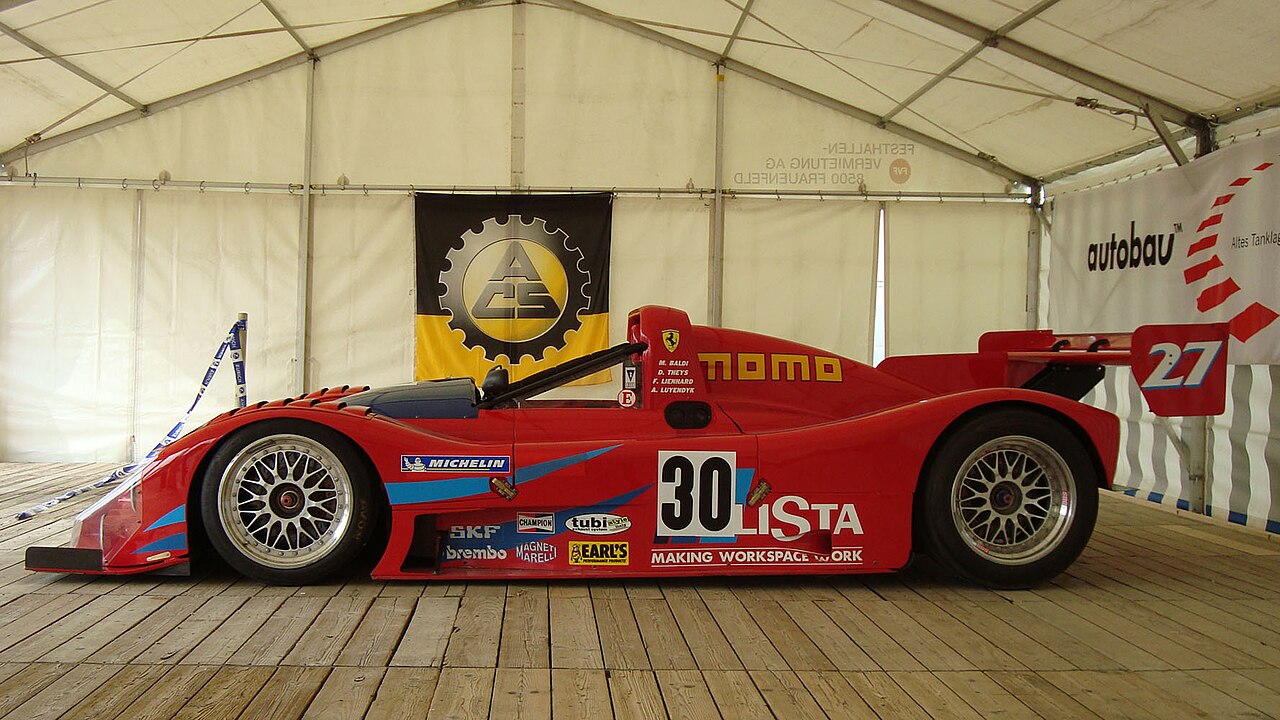
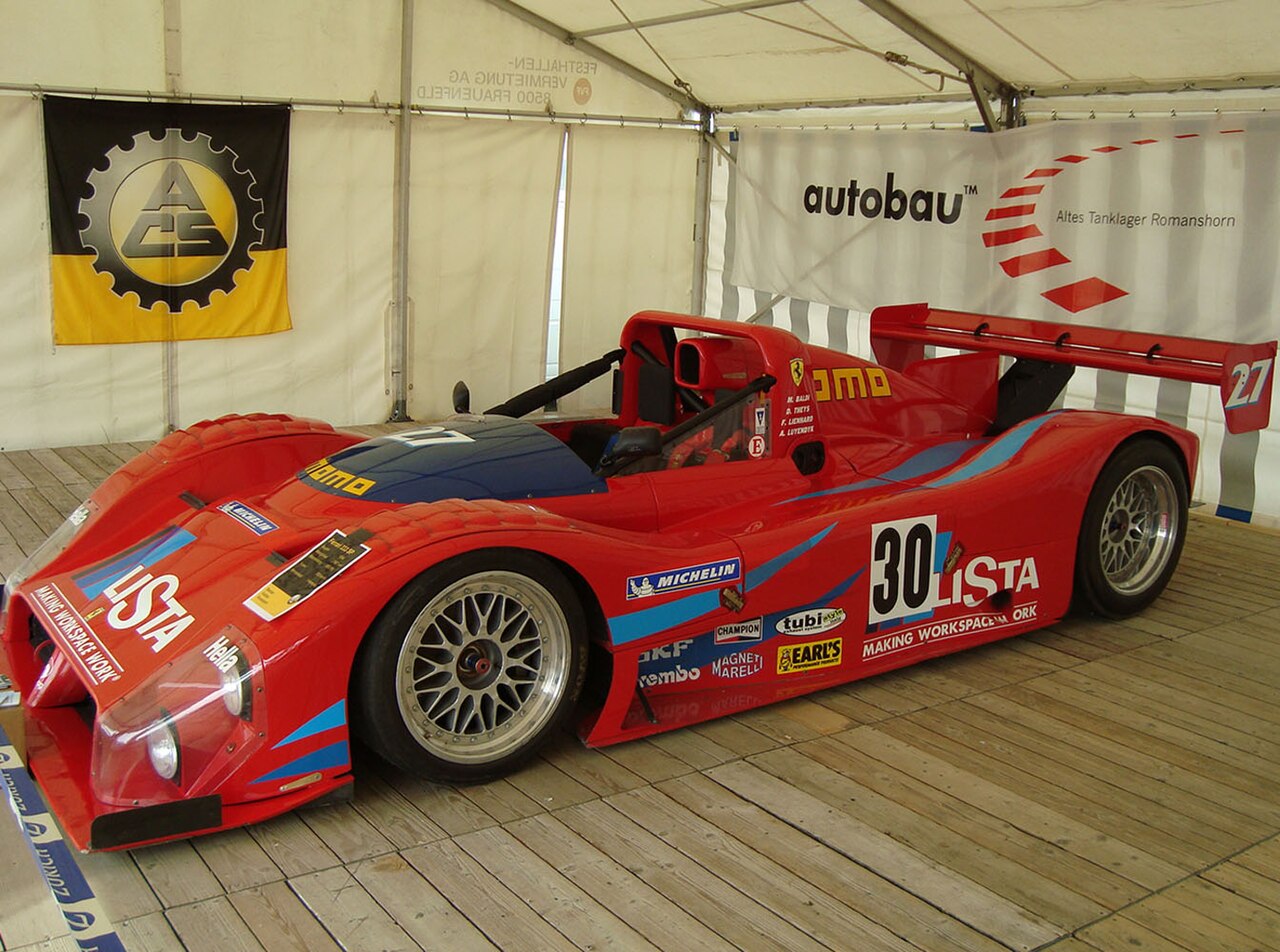
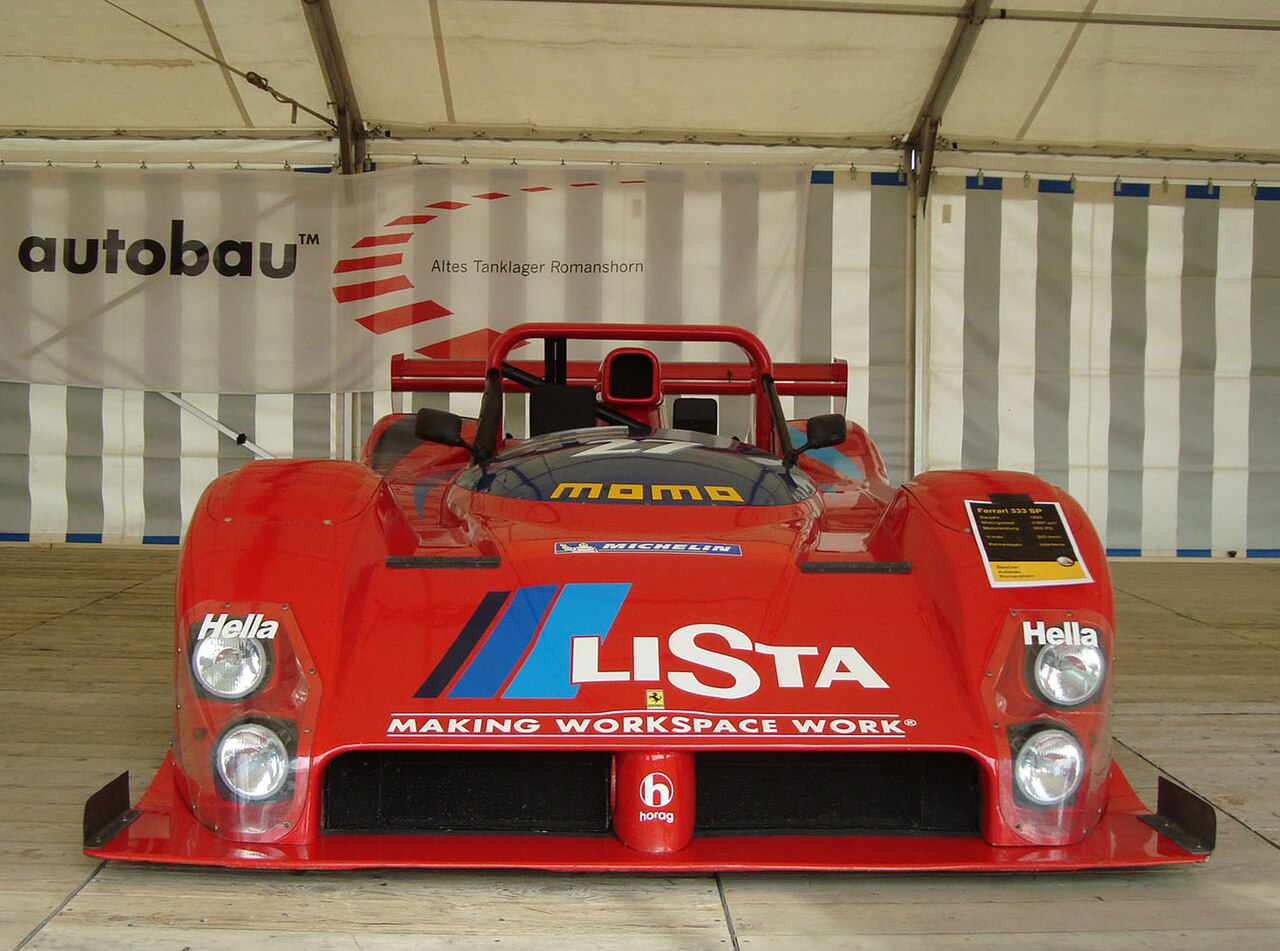
Frequently Asked Questions
What is the Ferrari 333 SP?
The Ferrari 333 SP is a closed-cockpit sports prototype developed by Ferrari in the early 1990s to contest the IMSA World Sports Car Championship. Its creation ended a twenty-year gap in Ferrari's prototype racing that had stretched back to 1973.
When did the Ferrari 333 SP make its race debut and score its first victory?
The car first appeared at the third round of the 1994 IMSA GT Championship at Road Atlanta on April 17. In that very same event it immediately claimed both the first and second finishing positions, handing Ferrari an instant 1-2 in its prototype return.
More in Le Mans Prototypes
Spotted an error? Know more?
Reader corrections go straight into our review queue. Suggest an edit · How this site is sourced