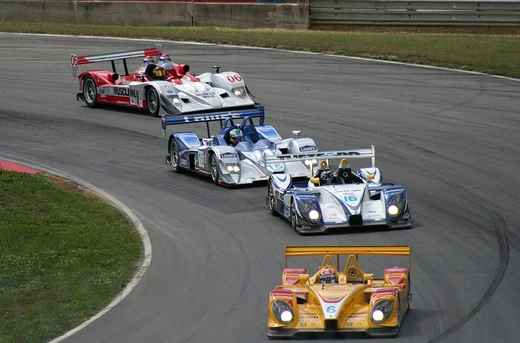
BMW V12 LM
A failed factory prototype later redeemed by privateers at Le Mans.

Martin Lee from London, UK · CC BY-SA 2.0
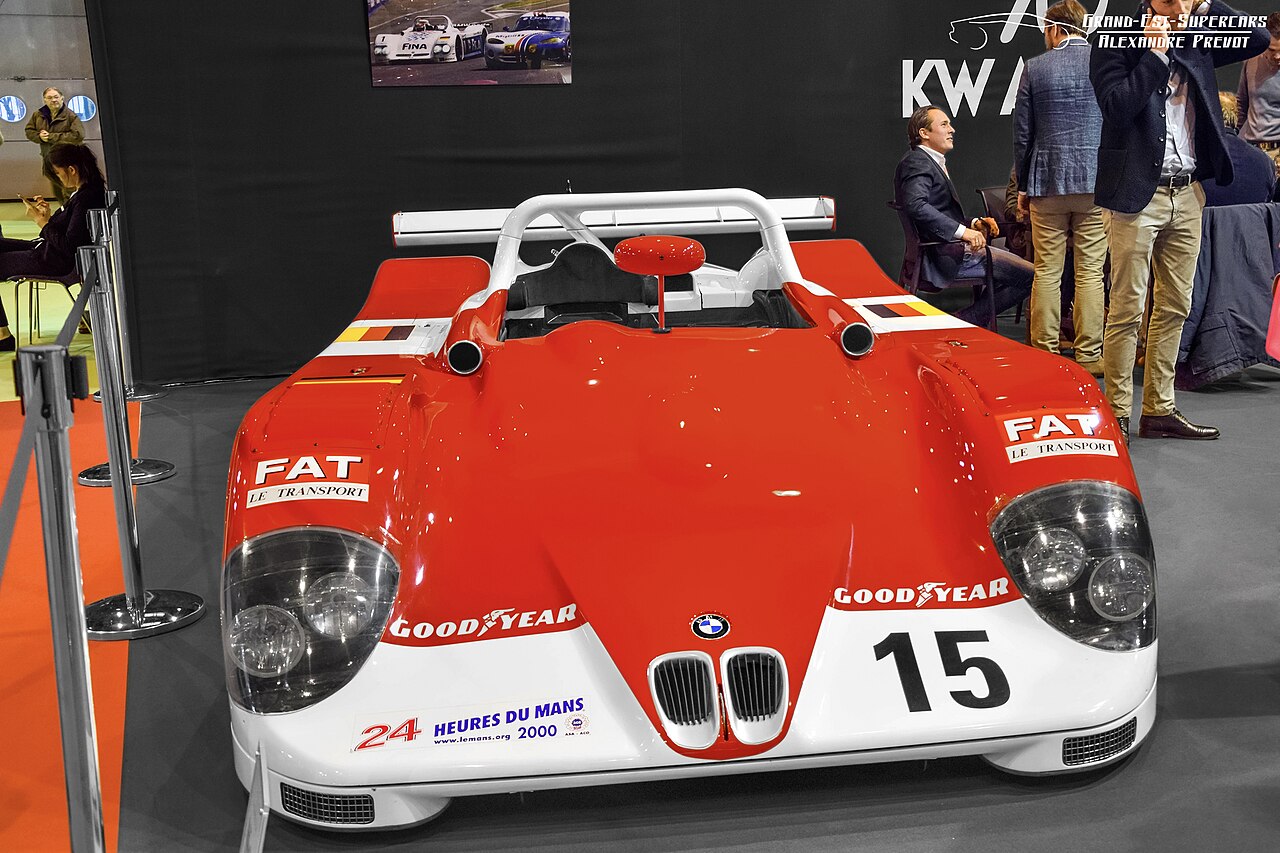
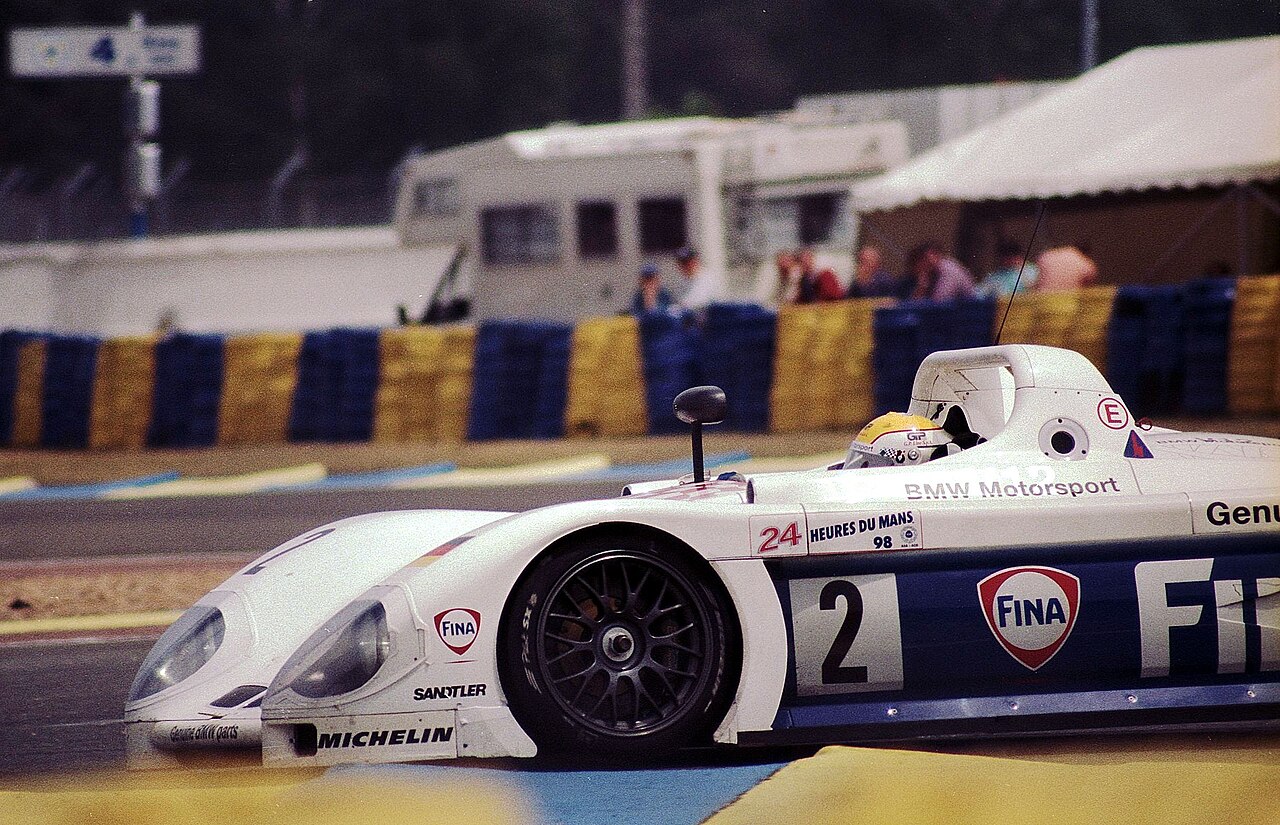
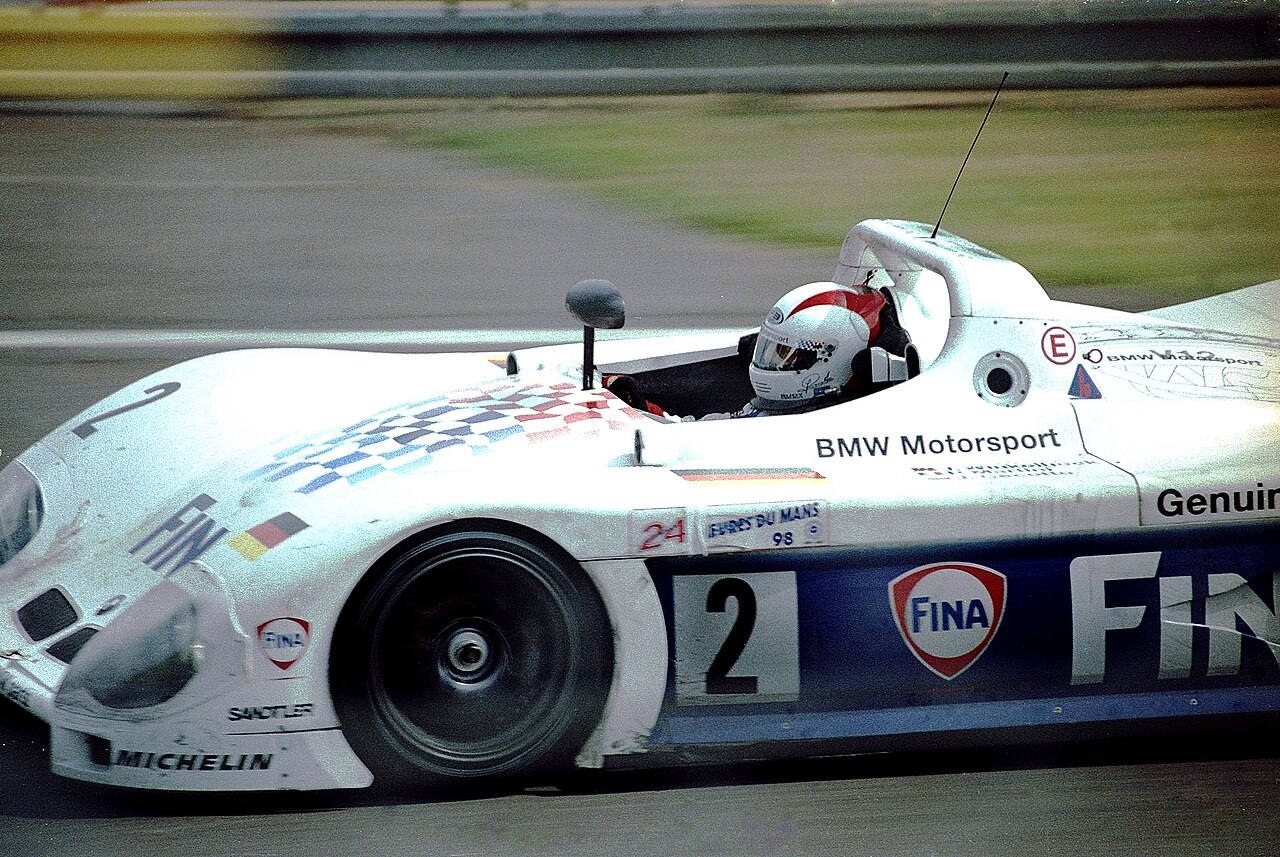
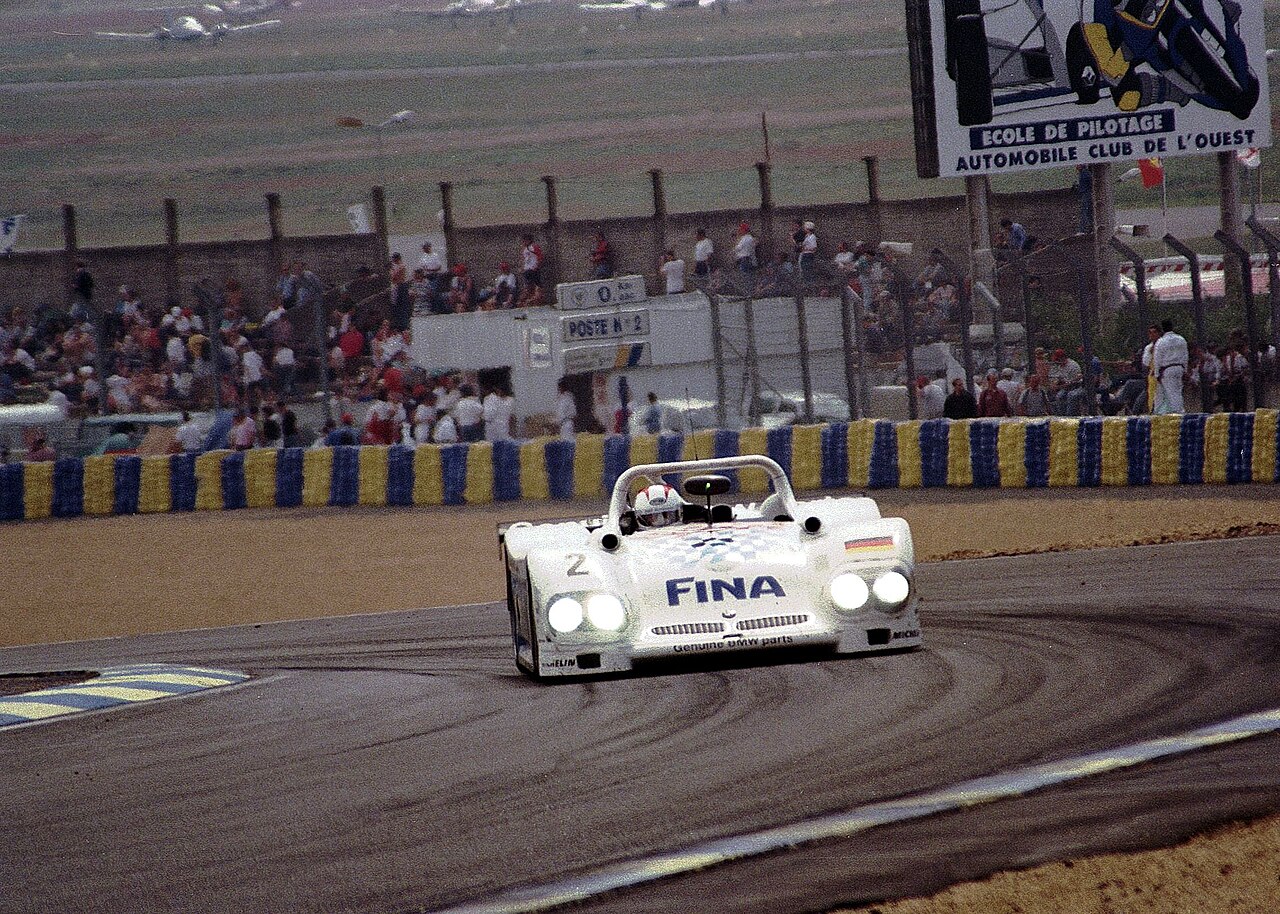
The BMW V12 LM was a sports racing car built for the 1998 season. It combined a Williams Racing chassis with a BMW engine and served as the forerunner to the 1999 BMW V12 LMR.
Development began after McLaren, using BMW’s S70 V12, won the 1995 24 Hours of Le Mans with the F1 GTR. By 1997, the McLarens were no longer competitive against newer supercars from Mercedes-Benz and Porsche, so McLaren left GT racing. BMW Motorsport, unwilling to quit, shifted focus from grand tourers to Le Mans prototypes—open-cockpit cars built purely for racing. In 1997, BMW struck a deal with Williams Racing, then Formula One constructors champions, to design and build the chassis and aerodynamics. Schnitzer Motorsport, a longtime BMW partner, was chosen to run the factory team. The car used the same S70 V12 as the McLaren F1, but in a 5990cc configuration. The chassis featured an early raised foot box and a front diffuser for better aerodynamics and safety.
At the 1998 Le Mans test day in May, the two V12 LMs posted only the 11th fastest lap, behind factory entries from Porsche, Toyota, Nissan, and Mercedes—all running grand tourer-style cars. By qualifying in June, they improved to 6th, trailing two Porsches, two Mercedes, and a Toyota. During the race, both cars developed drivetrain vibrations. To avoid a catastrophic failure, the team retired them early: car #2 after 43 laps, car #1 after 60. Post-race testing revealed poor aerodynamics and cooling, with the car only performing well under ideal ambient temperatures. The team abandoned the V12 LM project and started fresh with the V12 LMR for 1999. The two chassis were sold to privateers: chassis 001/98 to Thomas Bscher, and chassis 002/98 to Team Goh of Japan.
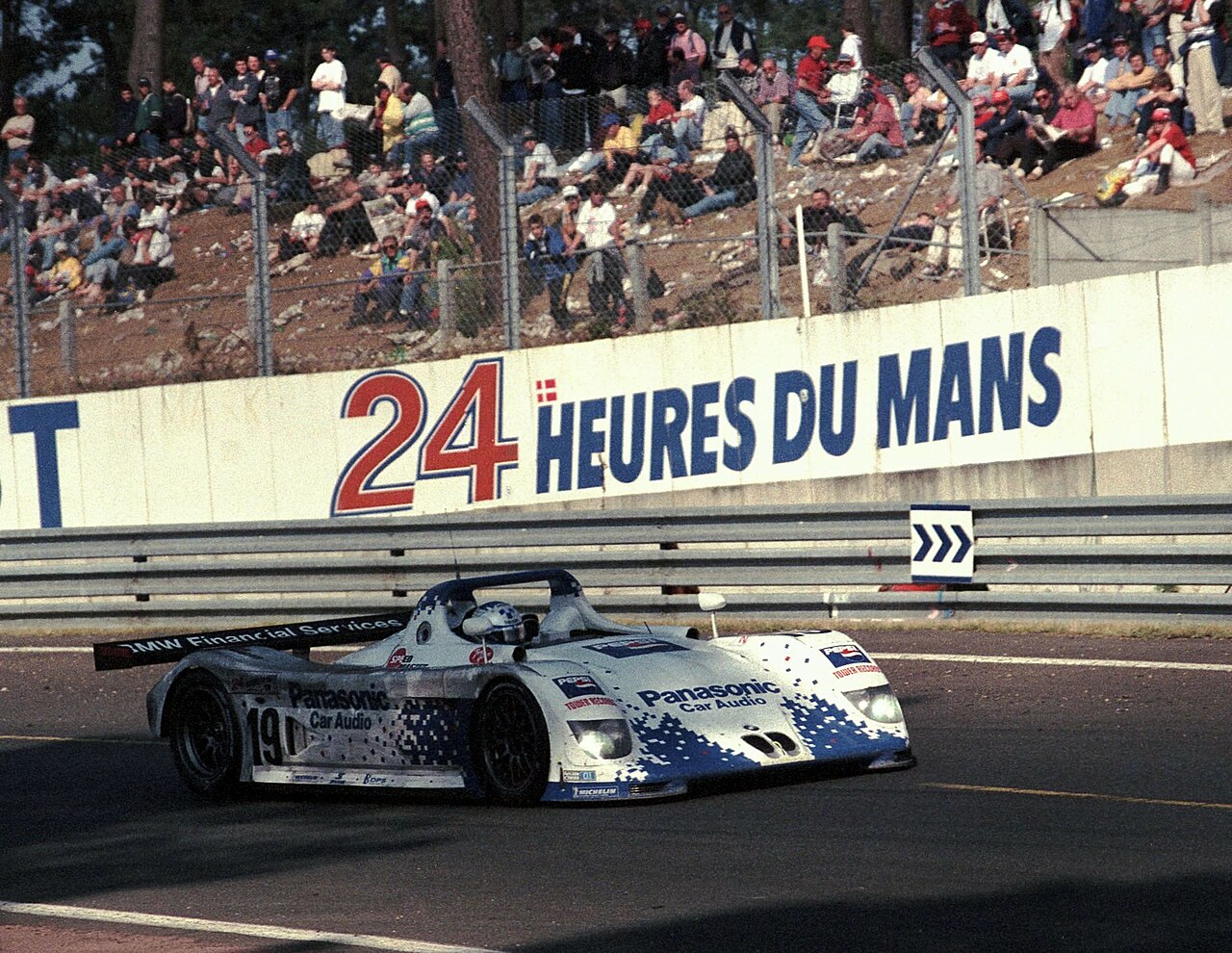
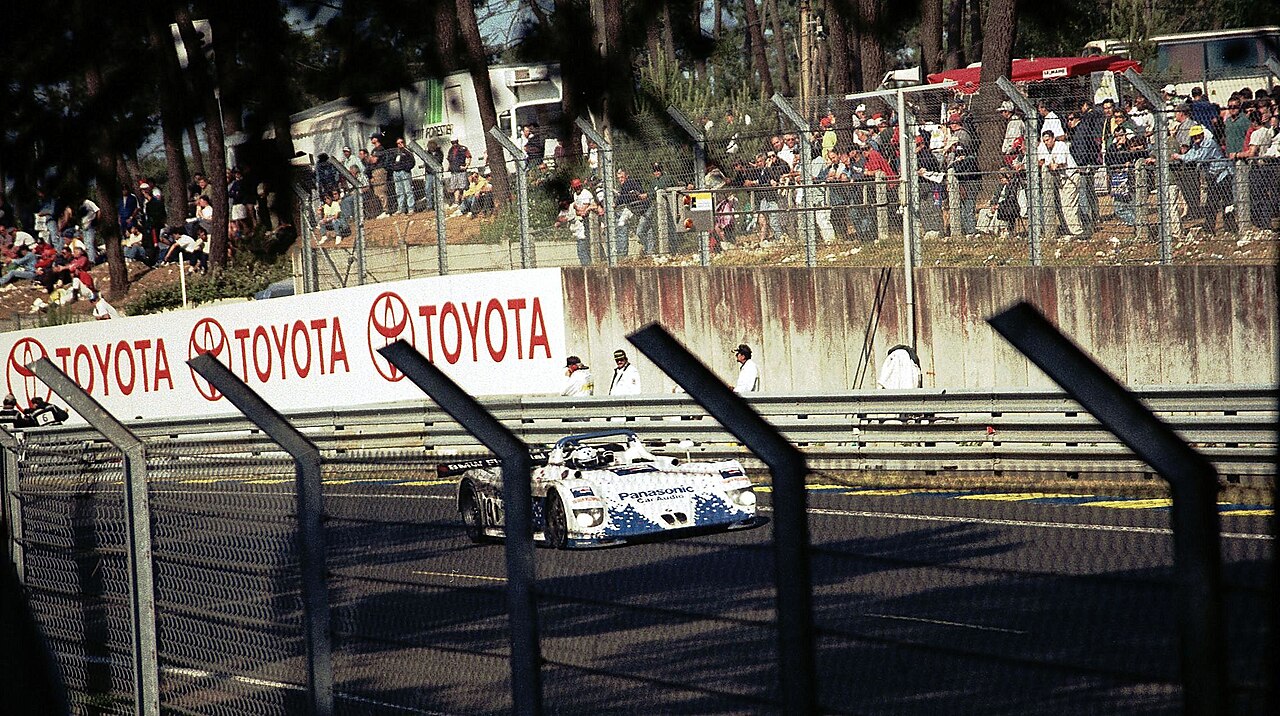
In 1999, BMW ran the new V12 LMR, leaving the privateers to campaign the V12 LM. Thomas Bscher partnered with David Price Racing to form Price+Bscher Racing, competing in the American Le Mans Series and the 1999 24 Hours of Le Mans. The car scored only two points finishes in the ALMS, ending 13th in the standings. At Le Mans, it took 5th overall, 20 laps behind the winning V12 LMR. It made one final appearance at the Nürburgring FIA Sportscar Championship event, finishing 4th. Team Goh focused solely on Le Mans, where their car retired with gearbox problems. It made one last outing at the Fuji 1000km, taking 3rd overall, six laps behind the winning Nissan.
Quick Facts
- Manufacturer
- Germany BMW Motorsport; United Kingdom Williams Racing (chassis designed by)
- Designer
- John Russell (Chief of Design), Jason Somerville (Chief Aerodynamicist)
- Class
- Le Mans Prototype
- Layout
- Longitudinal
- Rear mid-engine
- rear-wheel-drive
- Engine
- 5,990 cc (6.0 L) naturally aspirated BMW S70/3 V12
- Transmission
- 6-speed sequential manual
- Successor
- BMW V12 LMR
Facts from the source article.
Lore & Background
The BMW V12 LM originated from BMW Motorsport's decision to move from grand tourers to Le Mans prototypes after the McLaren F1 GTR became uncompetitive. In 1997, BMW announced a deal with Williams Racing, then Formula One constructors champions, to build the chassis and develop aerodynamics. Schnitzer Motorsport was chosen as the factory team. The car used the same S70 V12 as the McLaren F1s, in its 5990cc configuration, and incorporated an early raised foot box and front diffuser.
At the 1998 24 Hours of Le Mans test day, the two V12 LM chassis placed 11th. By qualifying, they improved to 6th fastest. During the race, both cars suffered drivetrain vibrations and retired early—car #2 after 43 laps, car #1 after 60 laps. Post-race testing revealed poor aerodynamics and cooling, with the car performing best only under ideal ambient temperatures. The factory team abandoned the V12 LM and developed the V12 LMR for 1999.
The two chassis were sold to privateers: chassis 001/98 to Thomas Bscher and chassis 002/98 to Team Goh of Japan. In 1999, Price+Bscher Racing entered the American Le Mans Series, scoring only two points finishes and placing 13th. At Le Mans, the car took 5th overall, 20 laps behind the winning V12 LMR. It made a final appearance at an FIA Sportscar Championship event at the Nürburgring, finishing 4th. Team Goh's car failed to finish Le Mans due to gearbox problems but took 3rd at the Fuji 1000km.
For 2000, Team Goh partnered with Dome to heavily modify the V12 LM, redesigning the front end and adding cooling vents, but the car never campaigned. Price+Bscher lost its David Price Racing partnership; Thomas Bscher ran the car alone at Le Mans, where it failed to finish due to gearbox damage from an accident, and at the Nürburgring SRWC round. Bscher then retired the car, ending its racing career.
Reader's Guide
The BMW V12 LM occupies a notable place in sports car history as a high-profile failure that later achieved unexpected success in privateer hands. Conceived as a factory effort combining Williams Racing's championship-winning Formula One engineering with BMW's proven V12 engine, the car was intended to challenge for overall victory at Le Mans. However, fundamental aerodynamic and cooling flaws rendered it uncompetitive in its debut year, leading to its rapid abandonment by the factory team in favor of the V12 LMR. The car's legacy is defined by its redemption: sold to privateers, the V12 LM scored a 5th-place finish at Le Mans in 1999, just 20 laps behind the factory V12 LMR that won the race. This result demonstrated that the car's core design was not without merit, even if its original execution was flawed. The subsequent modifications attempted by Dome for Team Goh in 2000, though never raced, show that teams believed the car could be improved. Ultimately, the V12 LM serves as an example of how a prototype's initial failure does not preclude later competitiveness, and how privateer teams can extract performance from abandoned factory projects.
Gallery
Frequently Asked Questions
What is the BMW V12 LM?
It is a closed-cockpit Le Mans prototype that BMW Motorsport built for the 1998 season, marrying a Williams Racing chassis to the company's S70 V12 engine. The car was conceived as a direct continuation of the McLaren F1 GTR programme that BMW had previously backed.
Who built and raced the BMW V12 LM?
Williams Racing constructed the chassis, while Schnitzer Motorsport ran the factory entry. Only two units were ever completed, designated 001/98 and 002/98.
How did the BMW V12 LM fare at Le Mans?
The factory 1998 campaign underperformed, but the chassis was later taken up by privateer crews. Its best Le Mans result arrived in 1999, when a privateer pair of Price and Bscher drove it to fifth overall.
More in Le Mans Prototypes
Spotted an error? Know more?
Reader corrections go straight into our review queue. Suggest an edit · How this site is sourced