
Right to silence
Legal principle guaranteeing the right to refuse to answer questions.

Wikimedia Commons · Public domain
The right to silence is a legal guarantee that allows any person to decline answering questions from police or court officials. This principle is recognized, either explicitly or by convention, in many legal systems around the world. It primarily concerns the right of an accused person or defendant to refuse to speak or provide answers when questioned, whether before or during a court proceeding. This can include the right to avoid self-incrimination or simply to remain silent. In some jurisdictions, the right also means that a judge or jury cannot draw negative conclusions from a defendant’s refusal to answer questions before or during a trial, hearing, or other legal proceeding. This right is only one part of a broader set of protections for defendants.
The origins of the right to silence are not entirely clear, but it is often traced to Sir Edward Coke’s opposition to the ecclesiastical courts and their *ex officio* oath. In 16th-century England, religious and political dissidents prosecuted in the Star Chamber and High Commission were forced to take this oath, swearing to answer questions truthfully without knowing the charges against them. This created a cruel trilemma: they could either lie under oath (perjury), refuse to answer (contempt of court), or tell the truth and incriminate themselves (betraying self-preservation). Coke argued that common law courts could issue writs of prohibition against such oaths, and he maintained that these oaths violated common law. His efforts are seen as a crucial blow to the *ex officio* oath and the High Commission.
After the parliamentary revolutions of the late 17th century, the right to silence became established in English law as a reaction to the excesses of royal inquisitions in those courts. According to legal scholar John Henry Wigmore, the rejection of the Star Chamber and High Commission’s procedures led to the principle that no person is bound to incriminate themselves in any court or on any charge. During the English Restoration (from 1660 onward), this right was extended to include ordinary witnesses, not just the accused. However, for some time afterward, the right was not always a practical reality. Limited access to legal counsel, shifting standards of proof, and a system distrustful of silent defendants meant that those who remained silent were often presumed guilty and sentenced. Still, the right remained available to the accused and became accepted practice over the following centuries. In England, judicial questioning of accused persons at trial did not fully disappear until the 18th century, and by the 19th century, accused persons were not even allowed to give sworn evidence if they wished—another reaction to the inequities of the Star Chamber and High Commission.
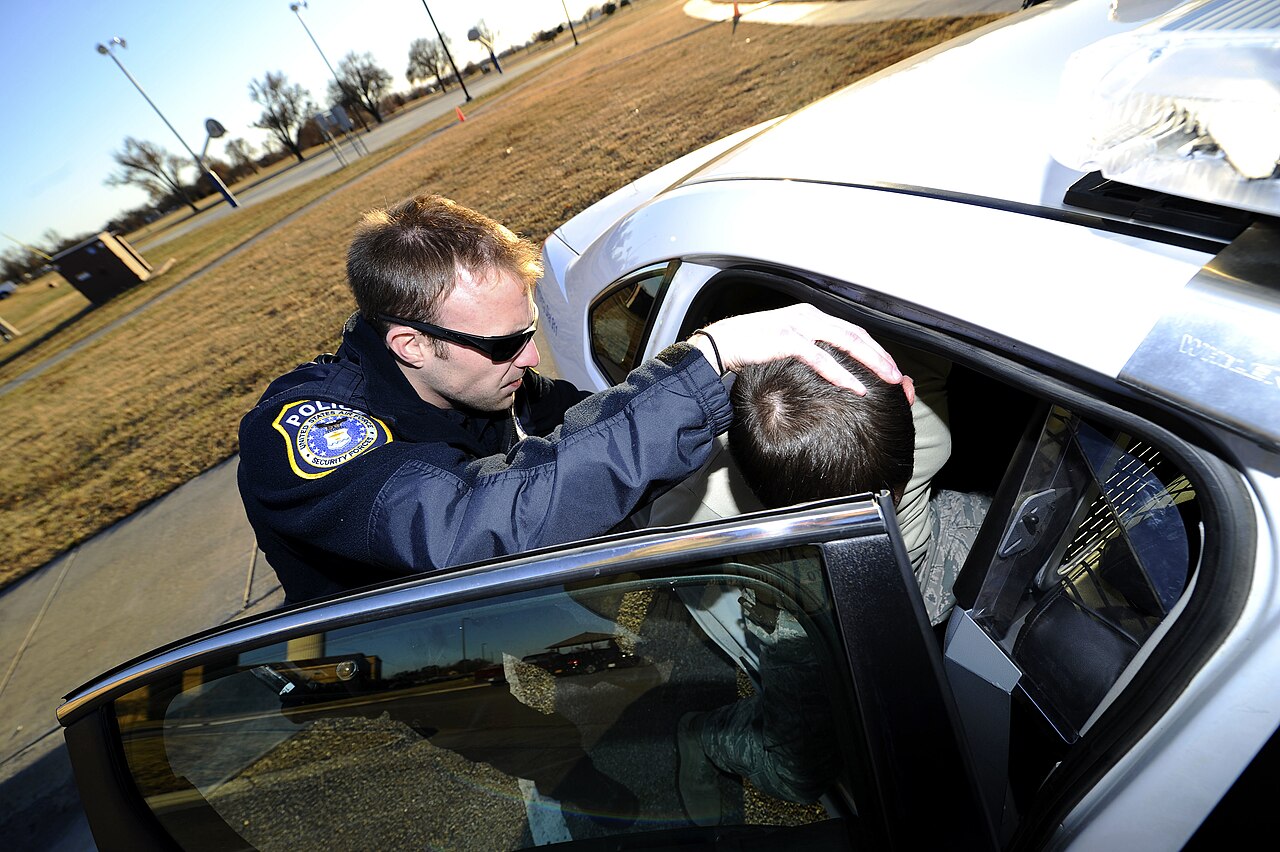
In countries that were once part of the British Empire—such as Commonwealth nations, the United States, and Ireland—the right to silence has been preserved in the common-law tradition inherited from England. These rights have evolved along two different paths in Anglo-American law: one through rights expressed in an entrenched constitution, the other through Acts of Parliament specifying rights or protections at common law. For example, in New Zealand, police are still required at common law to issue warnings similar to the US Miranda warning (though unrelated to that ruling), informing arrested persons that they do not have to answer questions but that anything they say or do can be used in court. Police must also ensure the person understands these rights; failure to do so can jeopardize a prosecution. While the wording differs slightly from the US version, the intent is the same and comes from the inherited legal tradition. In Australia, anything said by an accused under police questioning while in custody is generally not accepted as evidence unless it is corroborated, usually by audio or video recording. Australian police wear chest cameras as standard equipment and activate them during every interaction to provide such evidence. As in the US, suspects in some Commonwealth countries are also entitled to have a lawyer present during questioning. In England and Wales, laws introduced in 1994 require suspects to be told they have the right to remain silent, but they are also cautioned that anything they do say or do may be used in evidence.
- field
- Legal principle
- known_for
- Right to refuse to answer questions; privilege against self-incrimination
- origin_attributed_to
- Sir Edward Coke's challenge to ecclesiastical courts and their ex officio oath
- established_in_England
- Late 17th century, as a reaction to excesses of royal inquisitions
Lore & Background
The origin of the right to silence is attributed to Sir Edward Coke's challenge to the ecclesiastical courts and their ex officio oath. In the late 17th century, it became established in the law of England as a reaction to the excesses of the royal inquisitions in these courts. The Latin brocard nemo tenetur se ipsum accusare ('no man is bound to accuse himself') became a rallying cry for religious and political dissidents prosecuted in the Star Chamber and High Commission of 16th-century England, where people were forced to take the ex officio oath, creating a cruel trilemma between perjury, contempt, or self-betrayal.
Reader's Guide
The right to silence has evolved differently across jurisdictions. In the United States, informing suspects of their right to remain silent forms a key part of the Miranda warning. In Commonwealth nations like New Zealand, police issue 'Miranda-style' warnings under common law, unrelated to the US ruling. The right spread across continental Europe in the late 20th century due to developments in international law. Its significance lies in protecting individuals from compelled self-incrimination and preserving the presumption of innocence, though its practical application has varied historically, with some accused facing prejudice for remaining silent.
Did You Know?
- Sir Edward Coke's challenge to the ecclesiastical courts and their ex officio oath is seen as the origin of the right to silence.
- The right to silence does not apply to corporations in Australia, as established in EPA v Caltex.
From the Star Chamber to Common Law
The right to silence traces its roots to a deeply uncomfortable episode in 16th-century England, where religious and political dissidents were hauled before the Star Chamber and High Commission. There, defendants were compelled to swear the ex officio oath—promising to answer truthfully questions they had never even been told. This trapped them in what historians call the cruel trilemma: lie under oath and commit perjury, refuse to answer and face contempt charges, or speak the truth and condemn themselves. The Latin maxim nemo tenetur se ipsum accusare, meaning no one is bound to accuse himself, became the rallying cry of those suffering under these tribunals. Sir Edward Coke emerged as the pivotal figure who dismantled this system. Through his Reports and Institutes, he argued that such oaths violated common law, and his courts issued writs of prohibition against them. His legal assault on the High Commission is widely regarded as the decisive blow that planted the seed from which the modern right to silence would grow.
Scope and Legal Architecture
At its core, the right to silence is a shield that allows any individual to decline answering questions posed by law enforcement officers or court officials, whether before or during legal proceedings. It encompasses the broader principle of avoiding self-incrimination and the specific entitlement to remain quiet when questioned. A critical component in many jurisdictions is the prohibition on adverse inferences: judges and juries are generally barred from treating a defendant's refusal to speak as evidence of guilt. This protection, however, represents only a narrow slice of the full constellation of defendant rights. The right operates across multiple stages of the legal process, from initial police questioning through trial, and its precise boundaries vary depending on whether a jurisdiction enshrines it in a constitution, a statute, or common-law convention. In practice, the right interacts with other protections, such as the entitlement to legal counsel during questioning, which gives defendants a practical way to mount a defence without ever uttering a word.
A Common Law Inheritance Across the Globe
Because England exported its legal traditions through empire, the right to silence took root in a vast network of jurisdictions, including the United States, Ireland, and numerous Commonwealth nations. Yet the paths these countries followed diverged significantly. In the United States, the Miranda warning—requiring officers to inform suspects of their right to remain silent and the consequences of waiving it—became the iconic expression of the principle. In New Zealand, police must issue similar Miranda-style cautions at common law, entirely independent of the American ruling, and must confirm the arrested person understands them; failure to do so can undermine a prosecution. Australia takes a different practical approach: statements made during custody are generally inadmissible without corroboration, and officers wear body cameras that record every interaction. In England and Wales, a 1994 legislative shift added a caution that silence during questioning, if later contradicted in court, may damage a defendant's case, introducing a limited form of adverse inference that softens the absolute protection once enjoyed.
The Gap Between Principle and Practice
For centuries after the right to silence was formally recognised, it remained a fragile guarantee in practice. Accused persons with limited access to legal counsel, often a matter of social standing, faced a shifting standard of proof and a judicial culture deeply suspicious of those who chose not to speak. In many English courts, a silent defendant was simply presumed guilty and sentenced accordingly. The practice of judges directly questioning accused persons at trial persisted well into the 18th century, and by the 19th century, defendants were paradoxically barred from giving sworn evidence even if they wished to speak, a lingering reaction to the Star Chamber abuses. The emergence of the modern police force in the early 19th century raised an entirely new question: what happens to silence before trial, not just during it? The right to counsel, which became increasingly entrenched after the American Revolution, offered defendants a practical mechanism to build a defence while exercising their silence. Yet the tension between the principle and its real-world application has never fully resolved, continuing to shape legal debates to this day.
Gallery


Frequently Asked Questions
What is the right to silence?
The right to silence is a legal principle that allows any individual to decline answering questions posed by police officers or court officials. It protects the accused or defendant from being compelled to provide testimony or explanations before or during legal proceedings.
Where does the right to silence originate from?
The principle is often traced back to Sir Edward Coke's legal challenge against ecclesiastical courts and their use of the ex officio oath. His resistance helped lay the groundwork for the broader privilege against self-incrimination.
When was the right to silence formally established in England?
It took shape in the late 17th century as a direct response to the abuses of royal inquisitions. The excesses of those inquisitorial practices pushed English law toward recognizing a person's ability to remain silent rather than be forced to speak.
What core legal concept does the right to silence protect?
At its heart, the right to silence safeguards the privilege against self-incrimination. It ensures that no one can be legally compelled to provide statements or answers that might be used against them in a criminal or civil matter.
Who is entitled to invoke the right to silence?
The right applies to any individual facing questioning from law enforcement or court officials, not just those formally charged with a crime. It covers both the accused and defendants at any stage, whether before or during legal proceedings.
More in Law Enforcement & Legal Procedures 1-24
Spotted an error? Know more?
This is a living reference — every entry is fact-audited, and reader corrections feed straight into our audit queue. Suggest an edit · See this site's audit record