Frequently Asked Questions
The most-asked questions about latin american presidents.
What exactly does this encyclopedia cover?
It is a community-maintained reference on the heads of state and government across Latin America, spanning from the early independence era to the present day. Each entry includes a biographical sketch, key policies, and the political context surrounding that leader's tenure.
Who are the most frequently referenced figures across the entries?
Names like Simón Bolívar, Getúlio Vargas, Juan Perón, and Hugo Chávez dominate cross-references because of their outsized influence on regional politics. More recent figures such as Claudia Sheinbaum and Alberto Fernández also draw heavy reader traffic.
Where should a first-time reader begin?
Start with the Independence-Era section to understand how the modern republics were formed, then move into the twentieth-century entries where most of the dramatic political shifts occurred. The comparative-timeline page is a handy way to see how events in one country rippled into its neighbors.
What time period do the entries span?
The core coverage runs from the early 1810s independence movements through currently serving leaders. A handful of entries reach back into colonial-era viceroyalties for context, but the primary focus is on post-independence presidencies.
How many countries are included?
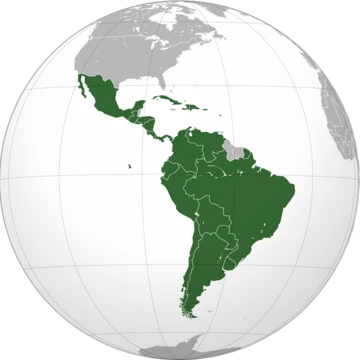
All twenty Latin American nations that have held a presidential or equivalent head-of-state office are represented, from Mexico and Brazil down to Uruguay and Paraguay. Several Caribbean island nations with presidential systems are also included.
What counts as a 'notable moment' in the entries?
The encyclopedia highlights coups, landmark constitutions, major economic reforms, and pivotal elections as key turning points. For instance, the 1930 rise of Vargas in Brazil and the 2019 Bolivian electoral crisis both receive dedicated 'Turning Point' callout boxes.
Are military rulers included alongside elected presidents?
Yes, de facto leaders who held executive power during periods of military rule are given full entries, clearly labeled as such. This keeps the chronological record of who actually governed each country unbroken.
How does this differ from a standard political-science textbook?
The tone is more narrative and character-driven, treating each presidency almost like a season in a long-running series. There is also a community 'fan-theory' sidebar where readers speculate on connections between leaders and policies, clearly marked as unofficial interpretation.
How current is the information?
Volunteer editors typically update entries within a few weeks of a new administration taking office or a major policy shift. The 'Currently in Office' dashboard is refreshed monthly to reflect cabinet changes and significant legislative actions.
Can I suggest a new entry or flag a correction?
Yes, the encyclopedia runs on an open-submission model where anyone can propose a new president, flag a factual error, or request a deeper dive into a specific policy. Proposals pass through a small editorial review before they are published.