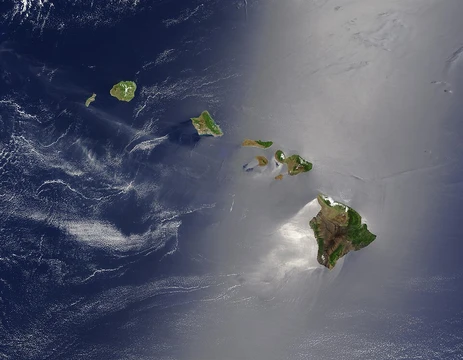
Santa Maria Island
Oldest island of the Azores archipelago, and the southernmost island in the Azores.

Santa Maria is the southernmost island in the Azores, located in the eastern group of the archipelago, south of São Miguel. It is noted for its white sand beaches, distinctive chimneys, and dry, warm climate.
The first unofficial accounts of islands in the Atlantic, apart from legends of Atlantis, came from Portuguese sailors during the reigns of King Denis and King Afonso IV. These reports were unsubstantiated until 1427, when navigator Diogo de Silves sighted the island, then marked on nautical charts as Ilha dos Lobos or Ilha do Ovo, during a voyage to Madeira. According to legend, the island was later named when Gonçalo Velho Cabral and his crew were celebrating mass on the feast day of the Virgin Mary; a lookout spotted land and cried out "Santa Maria," a name that stuck. Although Silves discovered it first, the Portuguese Crown officially credited Cabral with the discovery in 1432, as he commanded the voyage and discoveries were only recognized when registered by the Crown.
Legend holds that Cabral’s crew landed on a small beach in the northwest at Ponte dos Canestrantes, where they found Eared seals, naming the beach Praia dos Lobos. The captain and his crew collected native plants, earth, and water as proof of discovery for the Infante. These gifts were received in 1432, and the Infante immediately ordered herds sent to the island while planning colonization. The Crown applied the same system used on Madeira in 1425: land was administered through title grants to noblemen or trusted men (donatary-captains) who oversaw security and colonization. The master Donatário for the Azores was Infante Henry the Navigator, who had authority to enforce the King’s dominion, except for coining money and some judicial powers. He could select local administrators; Gonçalo Velho, with support from D. Isabella, was named first captain of Santa Maria and later São Miguel, arriving in 1439 with colonists, families, and cattle. By 1460, chronicler Diogo Gomes de Sintra referred to the island as Ilha de Gonçalo Velho, with the best lands held by its commander.
Colonization occurred between 1443 and 1447, mainly by settlers from the Portuguese Alentejo and Algarve, who first populated the northern coast along Baía dos Anjos and later the area of Vila do Porto on the southwest coast. This settlement became known as Vila do Porto for its sheltered anchorage, and the municipality adopted the name by 1470. By the end of the 16th century, Santa Maria had three parishes: Nossa Senhora da Assunção, Santa Bárbara, and Santo Espírito. The governing families, who controlled the political and administrative organs, were interconnected through marriage, and this concentration increased after the Iberian Union.
Like other Azorean islands, Santa Maria suffered repeated attacks by privateers and pirates. In 1480, a Castilian carrack with 40 men landed at Vila do Porto, where residents under Captain-Major João Soares (nephew and heir of Gonçalo Velho) fought back by hurling rocks from cliffs above Calhau da Roupa. João Soares was captured and taken in irons to Castile. After successive pirate attacks, the population grew hostile to travelers: in February 1493, Christopher Columbus and his crew, forced by a storm to land at Baía dos Anjos on their return from discovering the New World, were met harshly. Several crew members were captured, and complex negotiations secured their release. Columbus celebrated a mass in the old chapel before returning to Spain. The island was later attacked by French pirates in 1553, French troops in 1576, the English in 1589, and Moors in 1616 and 1675. By the 17th century, fortifications such as the Fort of São Brás and the ruined Fort of São João Baptista were built along the coast for defense.
During the 1580 succession crisis that led to the Iberian Union, the island initially supported António of Crato, but under pressure from Philip II of Spain, António did not even land on Santa Maria. The island then came under the authority of the Governor General of the Azores. After the Portuguese Restoration War in 1640, the news was met with celebrations and excesses.
- geological_age
- Oldest island in the Azores, with formations that are 8.12 million years old. Th
- discovery_attributed_to
- Gonçalo Velho Cabral in 1432, though navigator Diogo de Silves found the island
Verified Timeline
Lore & Background
The first records of a group of islands in the Atlantic came from the voyages of Portuguese sailors during the reigns of King Denis (1279–1325) and his successor King Afonso IV (1325–1357). These were unsubstantiated accounts and unofficial, until 1427 when navigator Diogo de Silves found the island of Santa Maria during his journey to Madeira. Myth tells that on the day of the island's discovery, Gonçalo Velho Cabral and his crew were celebrating mass on the feast day of the Virgin Mary, when one of the lookouts spotted the distant island, declaring 'Santa Maria'. Santa Maria's discovery was attributed to Gonçalo Velho Cabral in 1432, since discoveries were not recognized officially until declared by the Portuguese Crown. Colonization progressed between 1443 and 1447, principally from settlers from the Portuguese Alentejo and Algarve, who populated the northern coast along the Baía dos Anjos and later in the area of Vila do Porto. The island was a victim of repeated attacks by privateers and pirates, including French pirates in 1553, French troops in 1576, the English in 1589, and Moors in 1616 and 1675. In February 1493, Christopher Columbus was greeted harshly by residents when he and his crew were forced by a storm to land on the island in the Baía dos Anjos on their return from their famous discovery of the New World.
Reader's Guide
Santa Maria Island holds significance as the oldest island in the Azores archipelago, with formations that are 8.12 million years old. Its discovery history reflects the complex interplay between unofficial sightings and official recognition by the Portuguese Crown, with Gonçalo Velho Cabral credited in 1432 despite an earlier sighting by Diogo de Silves in 1427. The island's colonization pattern followed the Madeira model of donatary-captains, with Henry the Navigator as the master Donatário. During World War II, the United States used Santa Maria Airport as a base. The island's legacy includes the tragic 1989 crash of Independent Air Flight 1851, which killed all 137 passengers and 7 members of the crew. Its mature geography, lack of historical volcanism, and proximity to the Glória Fault contribute to its distinct character among the Azores islands.
Did You Know?
- The island is the southernmost island in the Azores.
- Geologically, it is the oldest island in the archipelago, with formations that are 8.12 million years old.
- In February 1493, Christopher Columbus was greeted harshly by residents when he and his crew were forced by a storm to land on the island in the Baía dos Anjos.
- During World War II, the United States used Santa Maria Airport as a base.
- On 8 February 1989, Independent Air Flight 1851 crashed at Pico Alto, killing all 137 passengers and 7 members of the crew.
Discovery and the Birth of a Name
The first confirmed sighting of Santa Maria came in 1427, when navigator Diogo de Silves found the island during his journey to Madeira. At the time, nautical charts labeled it Ilha dos Lobos or Ilha do Ovo. Yet official credit for the discovery was later assigned to Gonçalo Velho Cabral in 1432, because the Portuguese Crown only recognized findings declared by the expedition's commander. A persistent legend holds that on the day of discovery, Cabral's crew was celebrating mass on the feast day of the Virgin Mary when a lookout spotted the distant island and declared 'Santa Maria'—a name that stuck forever. According to tradition, the crew landed at a small northwestern beach where they encountered a population of Eared seals, proclaiming the beach Praia dos Lobos. The captain and his men gathered various examples of native and unfamiliar plants, as well as canisters of earth and water to give to the Infante as proofs to their discovery. These 'gifts' reached the Infante in 1432, who immediately ordered that herds be sent to the island, while he organized a plan for its colonization.
Colonization and the Donatário System
The settlement of Santa Maria followed a model already proven on Madeira in 1425. The Portuguese Crown granted the new lands to be administered by title grants to a noblemen and men of confidence that would oversee security and colonization, while enforcing the King's law. The master or Donatário for the Azores was the Infante Henry the Navigator, who was granted carte blanche to enforce the King's dominion, except to coin money and some judicial authority. The donatário also had the responsibility of selecting local administrators to represent him. Gonçalo Velho, with the support of D. Isabella, was nominated the first captain of the island of Santa Maria and later São Miguel, where he arrived in 1439 with colonists, bringing their families and some cattle. Between 1443 and 1447, settlers primarily from the Portuguese Alentejo and Algarve populated the northern coast along the Baía dos Anjos and later in the area of Vila do Porto. This area would attain the title of Vila do Porto for the nestled anchorage that developed there, and the municipality would also adopt the name by 1470. By the end of the 16th century, Santa Maria was divided into three parishes: Nossa Senhora da Assunção, Santa Bárbara and Santo Espírito.
A Fortress Under Siege
Santa Maria's exposed position in the Atlantic made it a recurring target for raiders. In 1480, a Castilian carrack with 40 men disembarked in the port of Vila do Porto. The island's residents, led by Captain-Major João Soares, took to hurl rocks from the cliffs above Calhau da Roupa at the invaders. João Soares was eventually captured by the Spaniards, who took him in irons as a prisoner to Castile. The trauma of repeated raids left the population deeply suspicious of outsiders. In February 1493, a storm forced Christopher Columbus and his crew to land on the island in the Baía dos Anjos on their return from their famous discovery of the New World. Several of his crew were captured, and complex negotiations were undertaken to liberate them. Thankful for their liberation, a mass was celebrated by him and his party in the old chapel before he returned to Spain. Attacks continued for over a century: French pirates struck in 1553, French troops assaulted the island in 1576, the English came during the 1589 Azores Voyage, and Moorish forces landed in 1616 and 1675. By the 17th century, a series of fortifications were constructed along the coast to defend the populace from these attacks, including the Fort of São Brás and the ruined Fort of São João Baptista in Praia Formosa.
Political Storms and Island Identity
Santa Maria's political loyalties often diverged from those of the broader Azores administration, revealing a fierce local identity. During the 1580 crisis of succession that ushered in the Iberian Union, the island initially supported António of Crato, but with pressure from Philip II of Spain in the Azores, António declined even to disembark in Santa Maria. During this period, the island came to depend on the Governor General of the Azores. After the Portuguese Restoration War of 1640, the news was greeted with celebrations and excesses by the Captain-Major Brás de Sousa. Centuries later, during the Portuguese Civil War from 1828 to 1834, the citizens supported the rights of Maria II to the throne of Portugal, which differed immensely from the Governor General of the Azores on the island of São Miguel who supported Miguel. The Captain-major even attempted to raise arms from Terceira, insofar as sending a carrack to collect the weapons. In the interim, the São Miguel administration changed sides in the conflict. By the following year, several Marienses joined the expeditionary force disembarking on the continent along Arnosa de Pampelido beach during one of the crucial battles of the Civil War.
Frequently Asked Questions
Who is Santa Maria Island?
Santa Maria is an island located in the eastern group of the Azores archipelago, situated south of São Miguel. It holds the distinction of being the southernmost inhabited island in the entire Azores chain, though the tiny Formigas Islets sit even further south.
What makes Santa Maria Island stand out from its neighbors?
The island is celebrated for its white sand beaches, striking chimney-like rock formations, and notably dry, warm climate compared to other Azorean islands. Geologically, it is the oldest member of the archipelago, having emerged during the Miocene with its oldest volcanic rocks dating to roughly 8.12 million years ago.
When did Santa Maria Island first come into human awareness?
The first confirmed sighting is attributed to Gonçalo Velho Cabral in 1432, though some earlier accounts credit a sighting by Diogo de Silves as far back as 1427. Either way, it entered European maritime records in the early 15th century.
Why is Santa Maria Island important to the Azores as a whole?
As the geologically oldest island in the archipelago, it provides a deep baseline for understanding the volcanic history of the entire Azores chain. It also serves as the southernmost inhabited point, giving the archipelago a unique warm, arid character at its lower edge.
How old is Santa Maria Island compared to the rest of the Azores?
Its emergence is generally cited as occurring somewhere between 8 and 6 million years ago, making it millions of years older than its neighboring islands. The oldest volcanic rock found there dates to approximately 8.12 million years ago, cementing its status as the archipelago's senior member.
More in Islands 1-24
Spotted an error? Know more?
This is a living reference — every entry is fact-audited, and reader corrections feed straight into our audit queue. Suggest an edit · See this site's audit record