Frequently Asked Questions
The most-asked questions about irish cuisine.
What exactly is Irish cuisine?
Irish cuisine is the culinary tradition of the island of Ireland, built around potatoes, dairy, root vegetables, coastal seafood, and slow-cooked stews. It reflects a long history of small-scale farming, a cool maritime climate, and a culture that prizes communal, hearty meals.
Who are the most recognizable figures associated with Irish food?
In modern times, chefs like Diarmuid O'Donnell and food writers such as Molly Shindler have put Irish cooking on the global map. Historically, the tradition is more communal than celebrity-driven, with local bakers, butchers, and home cooks passing recipes through generations.
Where should a beginner start when exploring Irish food?
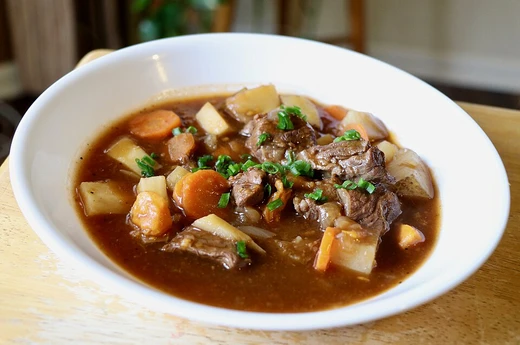
Start with the staples: a proper bowl of colcannon, a batch of soda bread, and a simple lamb-and-vegetable stew. These three dishes introduce the core flavors—butter, cream, alliums, and slow-cooked meat—without overwhelming you.
What ingredients form the backbone of traditional Irish cooking?
Potatoes, butter, cream, cabbage, onions, and root vegetables dominate the interior, while coastal areas lean heavily on cod, haddock, mussels, and oysters. Black tea and whiskey also feature prominently as everyday accompaniments.
What are the most iconic dishes every fan should know?
Boxty (potato pancakes), coddle (a Dublin stew of sausages, bacon, and potatoes), barmbrack (a fruit-studded bread), and Irish stew round out the core canon. For dessert, cream of coconut and a simple apple crumble are near-universal.
How does the cuisine vary across different regions of Ireland?
Coastal counties like Kerry and Donegal emphasize fresh fish, shellfish, and seaweed, while the midlands and Munster favor lamb, goat, and rich dairy preparations. Dublin's history as a port city brought a slightly more cosmopolitan, pub-centric food culture.
How did the Great Famine of the 1840s shape Irish food culture?
The potato blight and the resulting mass emigration left a deep cultural memory around food scarcity, which reinforced the value of preserving, stretching, and sharing what little was available. It also accelerated emigration that later spread Irish baking and cooking traditions to North America and beyond.
What are the most common misconceptions about Irish food?
Many people assume it is limited to corned beef and cabbage, a dish actually popularized by Jewish immigrants in New York rather than in Ireland itself. In reality, the tradition is far more varied, with strong seafood, baking, and seasonal foraging components.
How has modern Irish cuisine evolved in the 21st century?
A wave of farm-to-table restaurants in the 2000s and 2010s repositioned Irish ingredients—wild garlic, foraged herbs, local cheese, artisanal bread—as fine-dining fare. This shift has broadened the palette well beyond the old stew-and-potato stereotype while still honoring the base ingredients.
What drinks are traditionally paired with Irish meals?
A pot of strong black tea is the default accompaniment to nearly every meal, and a glass of stout or a pour of whiskey often follows heavier dishes. In coastal areas, a local cider or a simple glass of red wine has become common in modern settings.