
Sylvester H. Roper
American inventor of early automobiles and motorcycles.
Last updated

Boston Daily Globe · Public domain
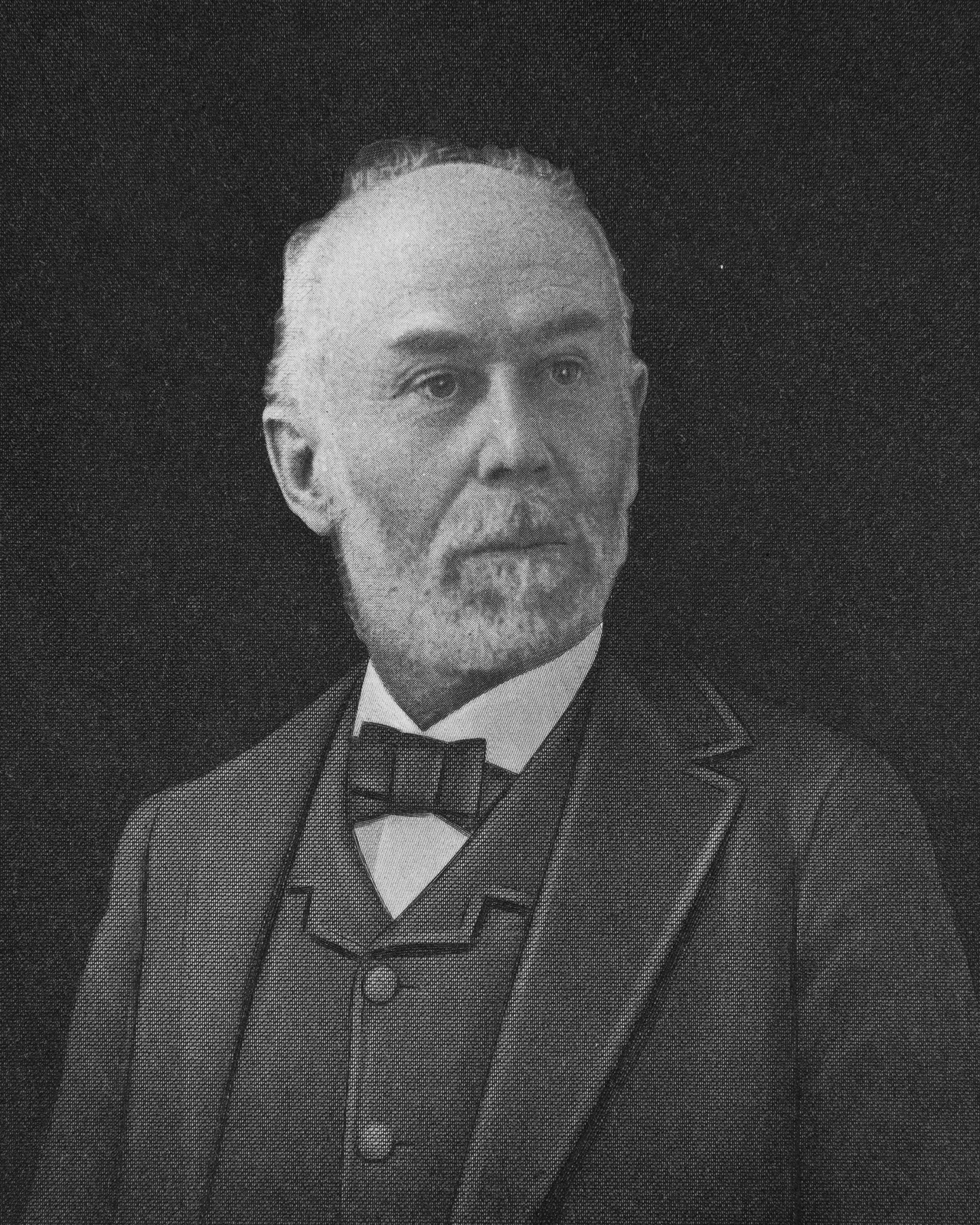
Sylvester Howard Roper was born on November 24, 1823, and died on June 1, 1896. A Boston-based inventor, he was an early pioneer of both automobiles and motorcycles.
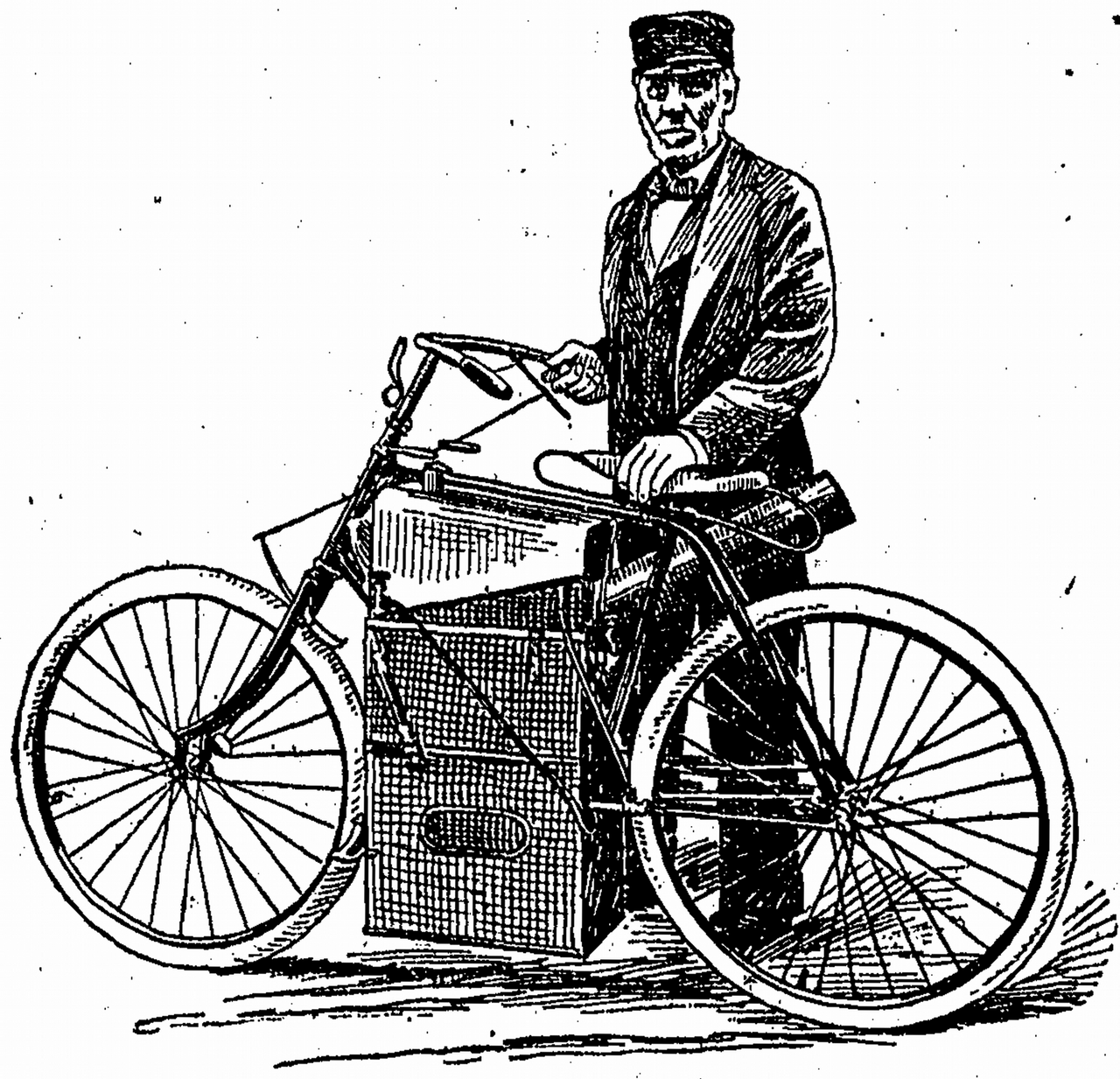
In 1863, he constructed a steam carriage, ranking among the first automobiles ever built. His steam velocipede, created between 1867 and 1869, is considered a candidate for the first motorcycle, earning him a posthumous induction into the Motorcycle Hall of Fame in 2002. Roper also invented the shotgun choke and a revolver-style repeating shotgun.
His father, Merrick, worked as a cabinetmaker, marrying Sylvester’s mother, Susan Fairbanks, in 1817. Sylvester had an older brother who painted houses, two younger sisters, and a younger brother who first worked as a machinist at the Singer Sewing Machine Manufactory in Boston before becoming a jeweler. From childhood, Roper showed mechanical aptitude. At twelve, he built a stationary steam engine without ever having seen one in person; this device was later displayed in the Francestown Academy laboratory.
By fourteen, he had constructed a locomotive engine, only seeing a real one afterward in Nashua. He left Francestown young, working as a machinist in Nashua, Manchester, New York, and Worcester. On April 20, 1845, he married Almira D. Hill in Providence, Rhode Island. In 1854, he moved to Boston’s Roxbury neighborhood, living at 299 Eustis Street.
Inventor
Around the time he arrived in Boston, Roper created his Handstitch Sewing Machine. In 1861, he invented a hot air engine and filed several patents for such engines, eventually building models ranging from one to four horsepower.
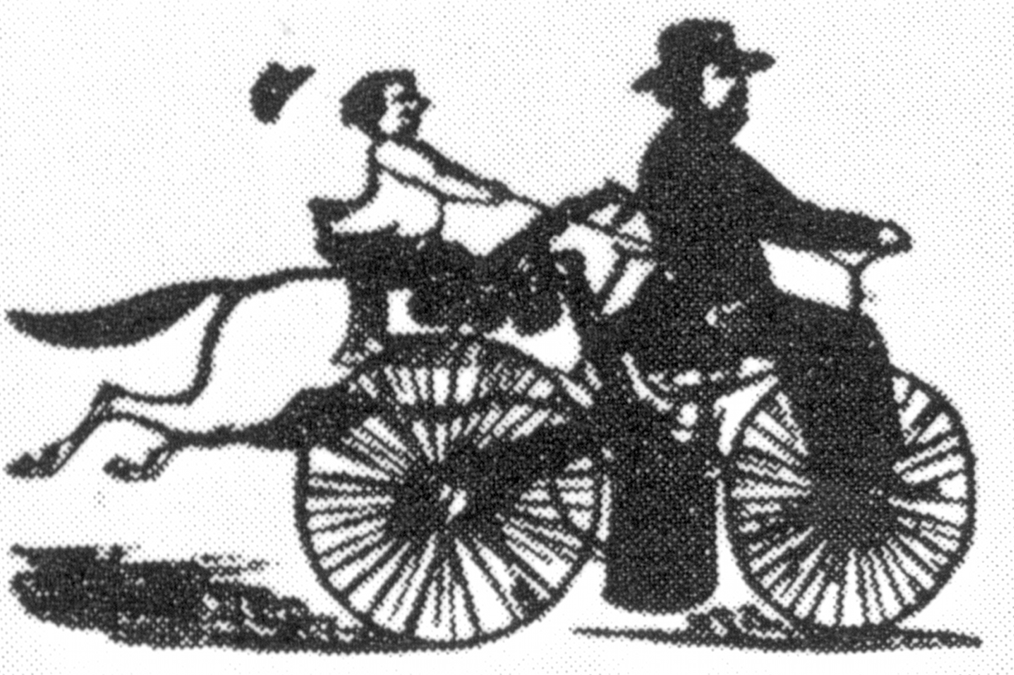
By 1869, more than 200 of his air engines were in operation. His innovations caught the attention of contemporaries like Elias Howe, Alvan Clark, and Christopher Miner Spencer. Roper was seen driving his steam carriage around Boston in 1863; one example from that year now resides in the Henry Ford Museum.
Roper’s shotgun choke consisted of short tubes that could be screwed onto or removed from the barrel to adjust the shot spread for different targets and distances. On April 4, 1882, he and Christopher Miner Spencer received a joint patent for a repeating shotgun mechanism. Roper alone obtained a patent for an improved shotgun loading mechanism on April 21, 1885.
Lore & Background
Sylvester H. Roper was born on November 24, 1823. From an early age he displayed mechanical talent. At age 12 he made a stationary steam engine, even though he had never seen one before in person; this invention was kept on display in the laboratory of the Francestown Academy. At age 14, he built a locomotive engine, and only afterward saw such an engine for the first time in Nashua.
Roper left Francestown at a young age and worked as a machinist, first in Nashua, then in Manchester, New York, and Worcester. He married Almira D. Hill on April 20, 1845, in Providence, Rhode Island. In 1854 he moved to Boston, Massachusetts living in the Roxbury neighborhood at 299 Eustis Street.
About the same time he came to Boston, Roper invented his Handstitch Sewing Machine. In 1861 he invented a hot air engine and filed several patents for hot air engines. He eventually succeeded in building engines ranging from 1 to 4 horsepower. By 1869 over 200 of Roper's air engines were in operation.
Roper worked for the Springfield Armory during the Civil War. Roper's work eventually came to the attention of other inventors and engineers of the era, including Elias Howe, Alvan Clark, Christopher Miner Spencer. Roper was observed driving his steam carriage around Boston in 1863. One such 1863 carriage went to the Henry Ford Museum.
Roper invented the first shotgun choke, short tubes that could be threaded onto, or removed from, the outside of the shotgun barrel to vary the shot spread to suit different targets and ranges. Roper and Christopher Miner Spencer were granted a joint patent for a repeating shotgun mechanism on April 4, 1882. Later, on April 21, 1885, Roper alone obtained a patent for an improved shotgun loading mechanism. Roper and his son, Charles, designed a factory producing screw-making equipment, which Charles Roper continued to manage after his father's death.
A Boy Who Built Engines Before Seeing Them
Sylvester Howard Roper entered the world on November 24, 1823, into a household where craftsmanship was the family language. His father Merrick worked as a cabinetmaker, and his mother Susan Fairbanks had wed him in 1817. Among his siblings were an older brother who became a house painter, two younger sisters, and a younger brother destined for the machinist's bench at the Singer Sewing Machine Manufactory in Boston before turning to jewelry. From the earliest years, Sylvester displayed an almost uncanny mechanical intuition.
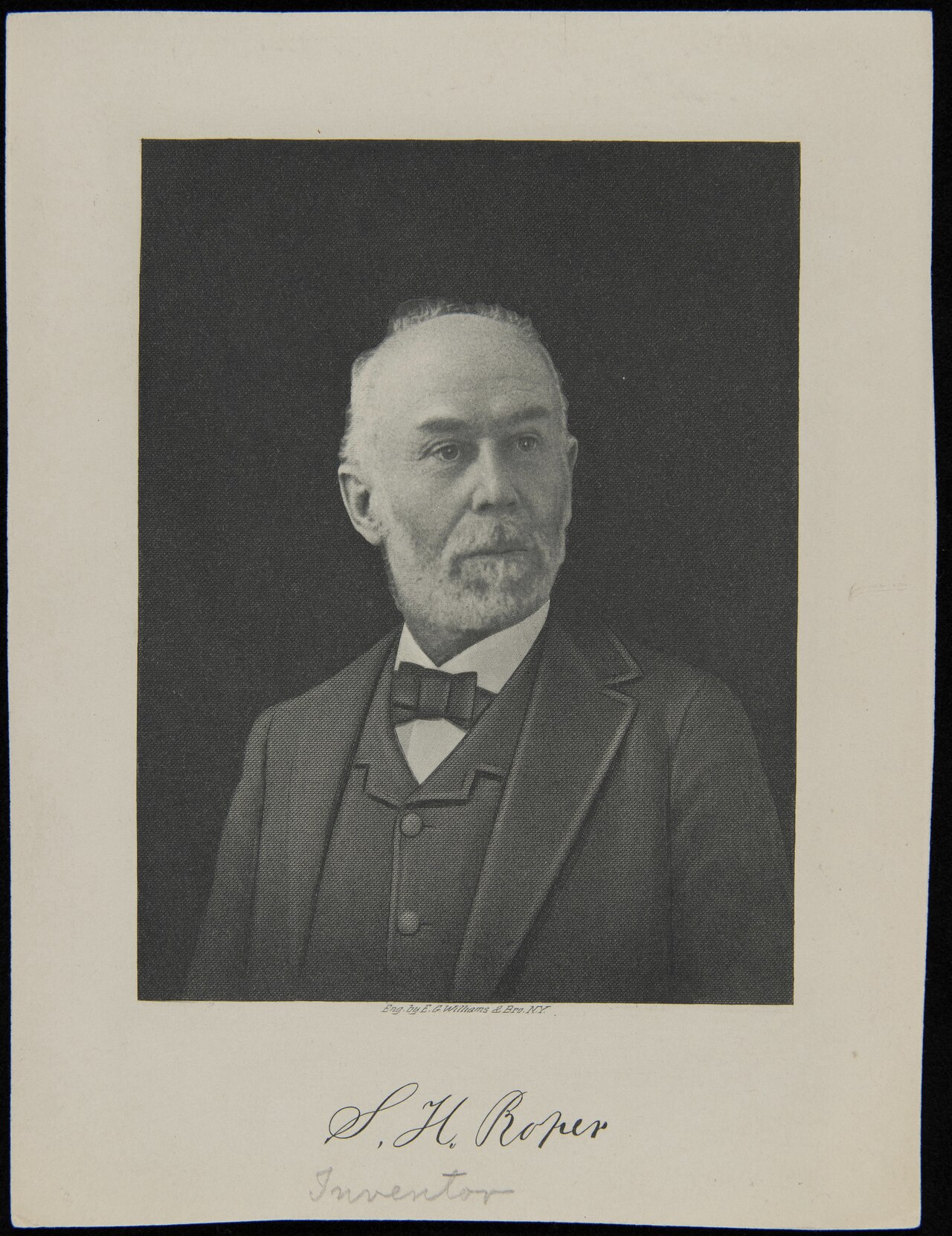
At just twelve, he constructed a stationary steam engine from scratch—never having seen one before—and the finished machine was placed on display in the laboratory of Francestown Academy. Two years later, at fourteen, he assembled a locomotive engine, only afterward encountering a real one in Nashua. He left the Francestown area as a young man and took up machinist work in Nashua, then Manchester, New York, and Worcester. On April 20, 1845, he married Almira D. Hill in Providence, Rhode Island, and in 1854 the couple settled into Boston's Roxbury neighborhood at 299 Eustis Street, where his most ambitious work would take shape.
A Prolific Mind Across Industries
Around the time he established himself in Boston, Roper devised a handstitch sewing machine, adding yet another trade to his growing portfolio. In 1861 he turned his attention to hot air engines, filing multiple patents and eventually producing working units ranging from one to four horsepower. By 1869, more than two hundred of his air engines were running in the field. During the Civil War he put his skills to service at the Springfield Armory, and his reputation reached the ears of prominent contemporaries such as Elias Howe, Alvan Clark, and Christopher Miner Spencer.
In 1863, Boston residents watched in astonishment as Roper piloted his steam carriage through the streets—a vehicle now recognized as one of the earliest automobiles, with a surviving example housed at the Henry Ford Museum. His ingenuity extended into firearms design: he created the first shotgun choke, a set of interchangeable tubes that could be threaded onto or removed from a barrel to adjust shot spread for varying ranges. On April 4, 1882, he and Spencer received a joint patent for a repeating shotgun mechanism, and three years later Roper secured a solo patent for an improved loading system. He and his son Charles also designed a factory for screw-making equipment, which Charles went on to manage after his father's passing.
The Steam Velocipede and a Motorcycle Pioneer's Claim
Between 1867 and 1869, Roper built what many historians consider the first motorcycle: a steam-powered velocipede that married a small boiler and engine to a bicycle frame. This machine, often called the Roper steam velocipede, predates other known motorized two-wheelers and represents a genuine leap in personal transportation. Its significance was formally recognized in 2002 when Roper was inducted into the Motorcycle Hall of Fame, cementing his place in the lineage of motorcycling history.
The velocipede was not merely a curiosity; it was a functional, rideable vehicle that demonstrated steam power could be scaled down to individual use. Later iterations of the concept, including a model built atop a Pope Manufacturing Company Columbia bicycle fitted with a steam engine, continued to push the boundaries of what a single rider could achieve on two wheels. Roper's 1863 steam carriage had already placed him among the earliest builders of automobiles, and the velocipede extended that pioneering spirit into the realm of motorcycles, making him a foundational figure in both branches of motorized transport.
The Final Lap at the Charles River
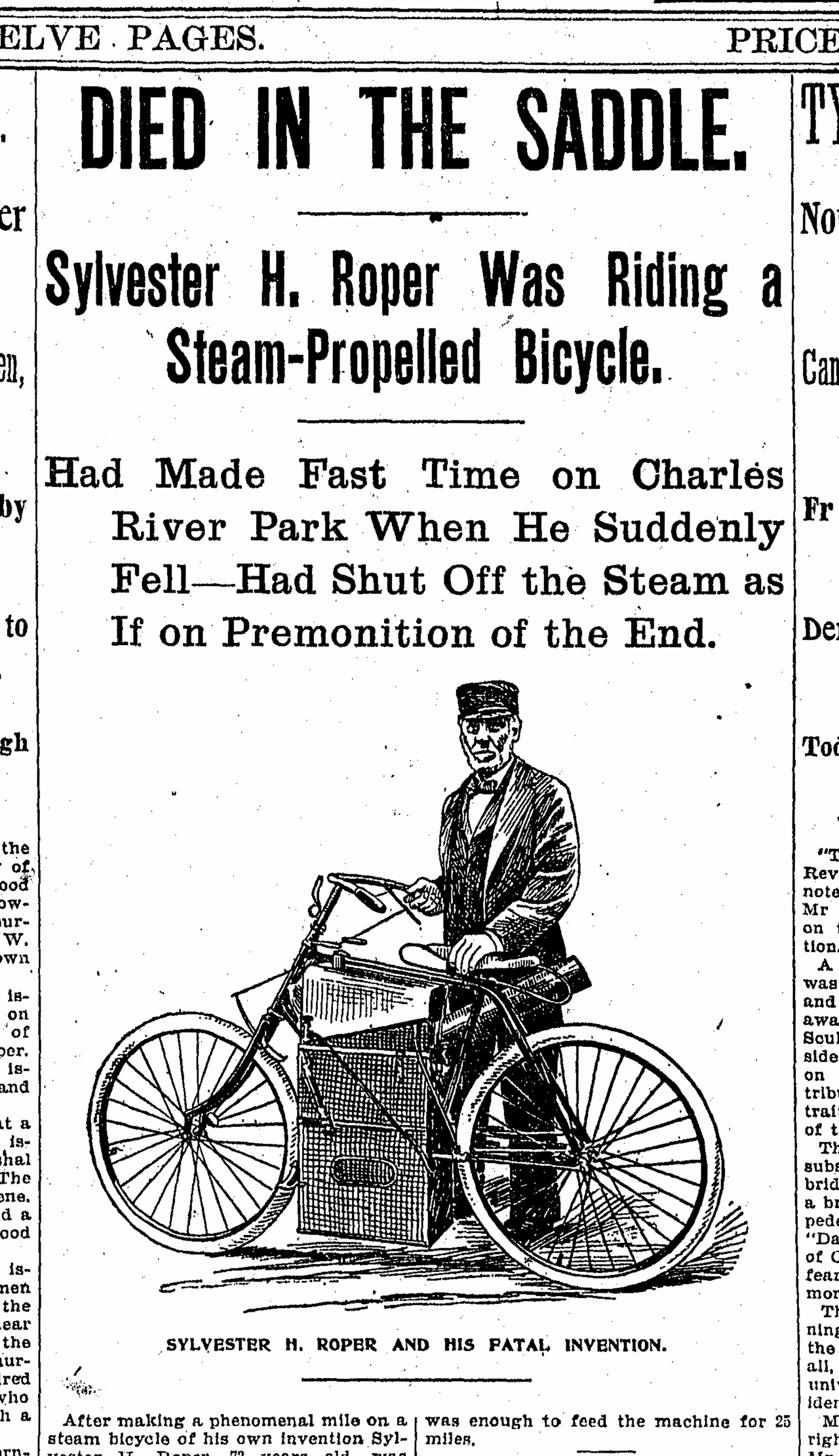
On June 1, 1896, Sylvester Roper mounted one of his later steam velocipede models—a Pope Manufacturing Columbia bicycle augmented with a steam engine—and rode out to the Charles River bicycle track near Harvard Bridge in Cambridge, Massachusetts. There he lapped the track several times, keeping pace with the bicyclists already circling, including professional rider Tom Butler, who was unable to match the speed of the steam-driven machine. Roper was clocked at two minutes and 1.4 seconds for the flying mile, translating to a top speed of roughly 40 miles per hour. Witnesses reported that the machine appeared to become unstable, and Roper fell on the track, sustaining a head wound.
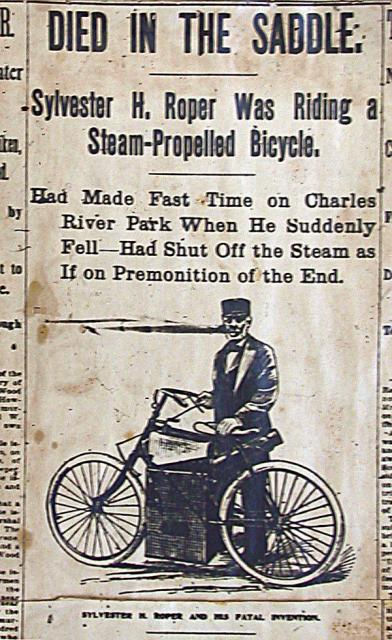
He was found dead at the scene. The subsequent autopsy attributed his death to heart failure, though it remains unclear whether the crash triggered the cardiac event or whether his heart had already begun to fail before the fall. At seventy-two, Roper died doing what he had done his entire life: riding a machine of his own devising, pushing it to its limits.
More in Inventors And Engineers
Sources
Compiled from Wikipedia and the sources listed below. Text from Wikipedia is available under CC BY-SA 4.0; this entry is adapted from it.
- Wikipedia: Sylvester H. Roper (CC BY-SA 4.0).
Spotted an error? Know more?
Reader corrections go straight into our review queue. Suggest an edit · How this site is sourced