Frequently Asked Questions
The most-asked questions about inflammatory diseases of the digestive system.
What exactly are inflammatory diseases of the digestive system?
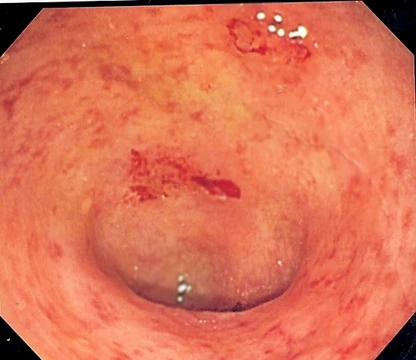
They are a group of chronic conditions in which the body's immune system mistakenly attacks the lining of the gastrointestinal tract, causing persistent swelling, ulceration, and tissue damage. The two most widely recognized members of this group are Crohn's disease and ulcerative colitis, though several rarer entities fall under the same umbrella.
What are the 'main characters'—the primary conditions people encounter in this field?
Crohn's disease and ulcerative colitis dominate the landscape, together accounting for the vast majority of diagnosed cases. Less frequently, conditions such as indeterminate colitis, microscopic colitis, and Behçet's-related intestinal inflammation round out the category.
Where should a newcomer start to build a solid understanding?
Begin by learning how the immune system normally keeps gut bacteria in check, then study how that balance breaks down in Crohn's versus ulcerative colitis. From there, familiarize yourself with the standard diagnostic workup—colonoscopy, biopsy, and imaging—because understanding how the disease is identified makes every other topic click into place.
What do we know about what triggers these diseases?
No single cause has been identified; instead, researchers point to a convergence of genetic susceptibility (over 200 risk loci have been mapped), dysregulated gut microbiota, and environmental factors such as smoking, diet, and prior infections. The interplay among these layers appears to tip a genetically vulnerable individual into chronic inflammation.
What symptoms should someone watch for?
The hallmark presentations include persistent diarrhea, abdominal cramping, unintended weight loss, and in many cases blood in the stool. Extra-intestinal signs—joint pain, skin lesions, eye inflammation, and fatigue—can appear alongside or even before the gut symptoms become prominent.
How is a definitive diagnosis reached?
A gastroenterologist typically combines a full colonoscopy with multiple biopsies, cross-referenced against imaging (CT or MR enterography) and blood markers like C-reactive protein and fecal calprotectin. The pattern of which bowel segments are involved, how deep the inflammation penetrates, and the histological appearance together distinguish Crohn's from ulcerative colitis and rule out mimics.
What treatment options exist, and how do they escalate?
Management generally steps up from aminosalicylates and short-course corticosteroids, through immunomodulators like azathioprine, to biologic agents that block specific inflammatory pathways (anti-TNF, anti-integrin, anti-IL-12/23, anti-IL-23). In refractory or complicated cases, surgical resection of the affected segment remains a viable option, particularly in Crohn's disease.
How prevalent are these conditions in the general population?
In North America and Western Europe, roughly 1 in 300 to 1 in 500 people lives with Crohn's disease or ulcerative colitis, with incidence climbing steadily in younger age groups. Globally, the burden is expanding as diagnostic access improves in previously underserved regions.
Can inflammatory bowel disease be cured?
At present there is no confirmed cure; the therapeutic goal is deep, sustained remission with minimal medication. That said, a growing body of research into gut microbiome modulation, targeted small-molecule inhibitors, and mucosal-healing strategies is pushing the field closer to what clinicians hope will eventually be a functional cure.
What are some of the most notable recent milestones in the field?
The approval of several next-generation biologics and small molecules in the 2020s has given patients who previously had no options a realistic path to remission. Simultaneously, large-scale multi-omics studies and the emergence of AI-assisted endoscopic scoring are reshaping both research and day-to-day clinical decision-making.