Bursitis
Inflammation of bursae, often from overuse or trauma.
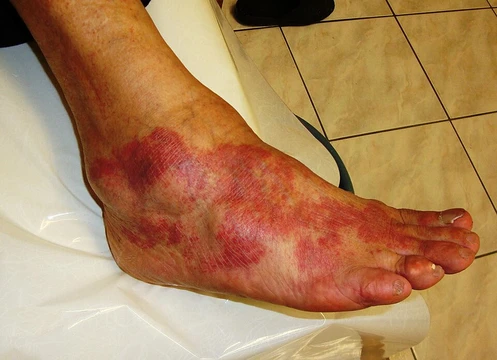
Bursitis is the inflammation of one or more bursae, which are small sacs filled with lubricating synovial fluid that reduce friction between bones, skin, tendons, and muscle. Irritation of the bursae typically results from overuse or trauma, though systemic illnesses can also be a cause. Common sites include the shoulder, elbow, hip, and knee, and the condition is often associated with redness, swelling, pain, warmth, or decreased range of motion.
Quick Facts
- Field
- Orthopedics
- Symptoms
- localized swelling
- erythema
- pain
- decreased range of motion
- Causes
- repetitive movements
- excessive pressure
- trauma
- inflammatory conditions
- autoimmune conditions
- idiopathic
- Treatment
- rest
- ice
- compression
- elevation
- anti-inflammatory and/or pain medication
Facts from the source article.
Cause
Repetitive movements or positions that place excessive pressure on the bursae are the most common causes of bursitis. Direct trauma can also lead to bursitis, with an increased risk of septic bursitis if the overlying skin is damaged. Less common causes include systemic inflammatory or autoimmune conditions such as arthritis, gout, or lupus. Bursitis may also be idiopathic, with no known cause.
Diagnosis
Diagnosis of bursitis is primarily clinical, based on a thorough history and physical exam. History taking helps identify the cause and differentiate acute from chronic bursitis. Physical examination includes visualization for erythema, swelling, or trauma; palpation for warmth or tenderness; and movement of the extremity to assess pain or range of motion. If septic or crystalline bursitis is suspected, fluid aspiration may be needed. Imaging is not required but can help identify underlying causes or support the diagnosis.
Treatment
Initial treatment is conservative, involving rest, ice, compression, anti-inflammatory medications, and pain medications. Physical therapy may address associated issues to prevent recurrence. If conservative management fails, steroid injections or needle aspiration may provide temporary relief; rarely, bursectomy is required. For septic bursitis, antibiotics and incision and drainage are used. Treatment of underlying systemic conditions is also necessary when applicable.
More in Inflammations
Spotted an error? Know more?
Reader corrections go straight into our review queue. Suggest an edit · How this site is sourced