Gonorrhea
A common STI caused by Neisseria gonorrhoeae.

Gonorrhea, often called the clap, is a sexually transmitted infection caused by the bacterium *Neisseria gonorrhoeae*. It can affect the genitals, mouth, or rectum. The infection spreads through sexual contact with an infected person, or from a mother to her baby during childbirth.
In males, symptoms may include pain or a burning feeling when urinating, discharge from the penis, or testicular pain. In females, symptoms can include burning during urination, vaginal discharge, bleeding between periods, or pelvic pain. However, many infected people show no symptoms at all. If left untreated, gonorrhea can lead to complications: in females, pelvic inflammatory disease; in males, inflammation of the epididymis. It can also spread to the joints or heart valves. Globally, about 0.8% of women and 0.6% of men are affected, with an estimated 33 to 106 million new cases each year. In 2015, the infection caused roughly 700 deaths.
Diagnosis is made by testing urine, or by taking samples from the urethra in males, or the vagina or cervix in females. For those who have had oral or anal sex, samples from the throat or rectum can also be tested. It is recommended that all sexually active women under 25, as well as those with new sexual partners, be tested annually; the same recommendation applies to men who have sex with men.
Prevention includes using condoms, having sex only with an uninfected partner, or abstaining from sex. Some vaccines originally designed to protect against meningococcus serotype B—a related bacterium—have been found to offer some protection against gonorrhea. Treatment typically involves an injection of ceftriaxone and oral azithromycin. Resistance to many older antibiotics has developed, and higher doses of ceftriaxone are sometimes needed.
Signs and symptoms of mucosal infection include swelling, itching, pain, and pus. The time from exposure to symptoms is usually two to 14 days, with most appearing four to six days after infection, if they appear at all. Throat infections cause a sore throat in only about 10% of cases; other symptoms may include swollen lymph nodes in the neck. Infection of the eyes or rectum can cause pain during bowel movements, rectal discharge, or constipation.
Among women, half have no symptoms, while the other half may experience vaginal discharge, lower abdominal pain, or pain during sex due to cervical inflammation. Untreated gonorrhea in women can lead to pelvic inflammatory disease, which may scar the fallopian tubes and increase the risk of ectopic pregnancy in those who become pregnant.
In men, most symptomatic cases involve inflammation of the penile urethra, causing a burning sensation during urination and discharge. Discharge, with or without burning, occurs in half of all cases and is the most common symptom. This pain results from narrowing and stiffening of the urethral lumen. The most common complication in men is inflammation of the epididymis. Gonorrhea is also linked to an increased risk of prostate cancer.
In infants, if untreated, gonococcal ophthalmia neonatorum develops in 28% of babies born to infected mothers.
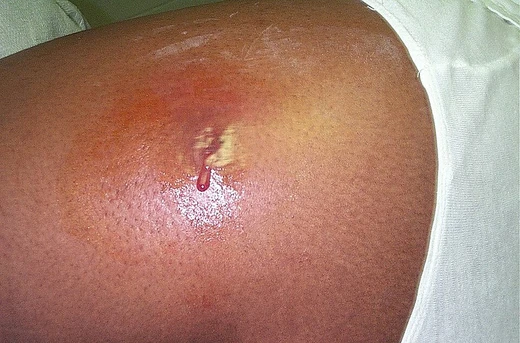
If untreated, gonorrhea can spread from the original infection site to damage the joints, skin, and other organs. Signs include fever, skin rashes, sores, and joint pain and swelling. In advanced cases, it may cause a general feeling of tiredness. An allergic reaction to the bacteria can intensify symptoms. Very rarely, it can settle in the heart (causing endocarditis) or the spinal column (causing meningitis), both more likely in people with suppressed immune systems.
The infection is caused by *Neisseria gonorrhoeae*. Previous infection does not provide immunity, so a person can be reinfected. Infected individuals may repeatedly infect others without showing any symptoms themselves.
Transmission occurs through vaginal, oral, or anal sex. Men have a 20% risk of infection from a single act of vaginal intercourse with an infected woman. The risk is higher for men who have sex with men: insertive partners may get a penile infection from anal intercourse, while receptive partners may get anorectal gonorrhea. Women have a 60–80% risk from a single act of vaginal intercourse with an infected man. A mother can pass the infection to her newborn during childbirth, causing ophthalmia neonatorum if it affects the eyes. The bacteria may also spread through objects contaminated with body fluids, but it typically does not survive long outside the body—usually dying within minutes to hours.
Sexually active women under 25 and men who have sex with men are at increased risk. Other risk factors include having a new sex partner, a partner with other partners, multiple sex partners, or a history of gonorrhea or another STI.
Untreated gonorrhea can lead to major complications, such as infertility in women, as the infection can spread into the uterus and fallopian tubes, causing pelvic inflammatory disease.
- caused_by
- Neisseria gonorrhoeae bacterium
- global_prevalence
- 0.8% of women, 0.6% of men
- incubation_period
- 2 to 14 days
- asymptomatic_rate_in_women
- 50%
- asymptomatic_rate_in_throat_infections
- 90%
Lore & Background
Gonorrhea infections of mucosal membranes can cause swelling, itching, pain, and the formation of pus. The time from exposure to symptoms is usually between two and 14 days, with most symptoms appearing between four and six days after infection, if they appear at all. Infected males may experience pain or burning with urination, discharge from the penis, or testicular pain, while infected females may experience burning with urination, vaginal discharge, vaginal bleeding between periods, or pelvic pain. Many of those infected, however, have no symptoms. Half of women with gonorrhea are asymptomatic, and throat infections produce no symptoms in 90% of cases.
Reader's Guide
Gonorrhea is a major public health issue due to its high prevalence and potential for serious complications if untreated. In women, untreated gonorrhea can lead to pelvic inflammatory disease, which can cause scarring of the fallopian tubes and result in ectopic pregnancy or infertility. In men, it can cause inflammation of the epididymis, which may lead to infertility. The infection can also spread to joints, heart valves, or the spinal column, causing endocarditis or meningitis, particularly in immunocompromised individuals. Diagnosis is typically via PCR-based testing of urine, urethral, cervical, or vaginal swabs, or culture for certain samples. Treatment usually involves ceftriaxone by injection and azithromycin by mouth, though resistance to many antibiotics has developed. Prevention includes condom use, having sex with only one uninfected partner, and not having sex. Vaccines originally designed for meningococcus serotype B have shown some protective effect. The infection is especially risky for sexually active women under 25 and men who have sex with men.
Did You Know?
- Gonorrhea can be transmitted from a mother to her newborn during birth, causing ophthalmia neonatorum in 28% of untreated cases.
- Men have a 20% risk of infection from a single act of vaginal intercourse with an infected woman, while women have a 60–80% risk from an infected man.
- Previous infection with gonorrhea does not confer immunity; a person can be reinfected.
- Gonorrhea increases susceptibility to HIV infection and can make both diseases more transmissible.
More in Infectious Diseases 1-24
Spotted an error? Know more?
This is a living reference — every entry is fact-audited, and reader corrections feed straight into our audit queue. Suggest an edit · See this site's audit record