Frequently Asked Questions
The most-asked questions about infectious causes of cancer.
What is 'Infectious Causes of Cancer' as a whole?
It is the body of medical knowledge describing how specific viruses, bacteria, and parasites can drive malignancy in humans. Roughly 15–20 % of all cancers worldwide are linked to an infectious agent, making it one of the most consequential storylines in oncology.
Who are the main 'characters' in this franchise?
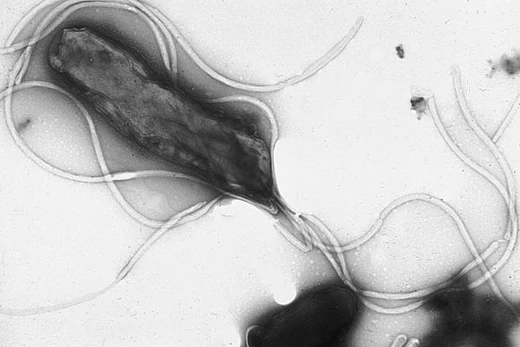
The headline pathogens are HPV, Hepatitis B, Hepatitis C, Epstein-Barr virus, Helicobacter pylori, and HTLV-1. Each has a distinct arc: HPV drives cervical and oropharyngeal cancers, Hep B/C target the liver, EBV is tied to lymphomas and nasopharyngeal carcinoma, H. pylori to gastric cancer, and HTLV-1 to adult T-cell leukemia.
Where should a newcomer start?
Most fans recommend beginning with HPV and cervical cancer, since it was the first infectious-cancer link firmly established and carries the most dramatic plot twists, from discovery to vaccine rollout. Branching next into Hep B/C liver cancer and H. pylori gastric cancer gives a solid foundation.
What is the most iconic 'scene' in the whole series?
Harald zur Hausen's 1970s work linking HPV to cervical cancer is widely regarded as the franchise's defining moment, earning him the 2008 Nobel Prize in Physiology or Medicine. It functions as a season-finale reveal that recontextualizes everything that came before it.
How does the 'plot mechanism' actually work?
Infections typically drive cancer by inserting viral DNA into host cells, disrupting tumor-suppressor genes such as p53 and Rb, or causing chronic inflammation that triggers repeated rounds of DNA damage and repair. The process usually unfolds over years to decades, which is why the pacing of these cancers is characteristically slow.
What is the 'villain arc' that fans find most frustrating?
Hepatitis C is often cited as the most maddening subplot because it was long considered untreatable, and millions acquired it through contaminated blood products before universal screening existed. The arrival of direct-acting antivirals in the 2010s is treated by fans as a long-awaited redemption arc.
Are there 'crossover' episodes where multiple pathogens appear together?
Yes — co-infections like Hep B plus Hep C in the liver, or HPV combined with smoking in the oropharynx, are well-documented ensemble scenarios where risk multiplies. Some regions also see EBV and Hep B overlapping in nasopharyngeal and liver cancers within the same population.
What is the real-world 'merchandise' or spin-off of this franchise?
The HPV vaccines (Gardasil, Cervarix) and the Hep B vaccine are the most celebrated merchandise, having prevented millions of cancers worldwide. Screening programs — Pap smears, H. pylori testing, hepatitis serology — serve as the franchise's ongoing seasonal content.
What is the biggest ongoing 'fan theory' or unresolved plotline?
KSHV's role in immunocompromised populations and the still-debated contribution of chronic H. pylori to extragastric cancers like pancreatic or esophageal tumors are hotly discussed. Researchers also continue to probe whether common viruses such as CMV or adenoviruses play a hidden, underappreciated role.
How many 'episodes' (cancer types) does this franchise cover?
The WHO and IARC currently recognize infections as a cause in at least a dozen distinct malignancies, spanning cervical, anal, oropharyngeal, liver, gastric, nasopharyngeal, Burkitt lymphoma, and adult T-cell leukemia. The catalog keeps expanding as new pathogen-cancer links are validated.