Nasi kebuli
Indonesian pilaf with goat meat broth and spices.
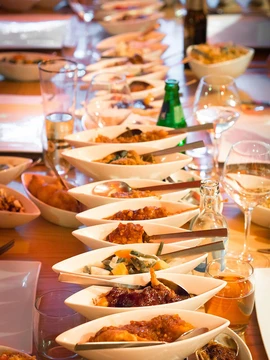
Nasi kebuli is an Indonesian variation of pilaf, consisting of rice cooked in goat meat broth, goat milk, and clarified butter. It is popular among the Arab community in Indonesia, particularly among Arab-descent Betawi in Greater Jakarta. The dish is influenced by Arab, Yemeni, Indian, and Afghan cuisines.
Quick Facts
- Country
- Indonesia
- Region
- Jakarta, Central Java and East Java
- Creator
- Arab Indonesians
- Course
- Main course
- Served
- Hot
- Main ingredients
- Rice with minyak samin (ghee) spiced and served with chicken or goat meat
Facts from the source article.
Origin
The dish called nasi kebuli takes its name from kabuli palaw, an Afghan pilaf similar to biryani. Its cooking methods and seasonings are heavily shaped by Hadhrami and Indian cuisine. The Middle Eastern version of kabuli rice is closer to kabuli palaw than the Indonesian one. This rice dish, cooked in a seasoned broth, traveled to the Middle East from the Indian subcontinent and Central Asia. A key difference is that the Afghan or Middle Eastern version includes shredded carrots and sometimes grapes.
Preparation
Rice is cooked in goat meat broth with milk or coconut milk instead of water. Goat meat is cooked and mixed with a sautéed spice mixture in clarified butter (often ghee). The spice mixture includes ground garlic, shallot, ginger, black pepper, clove, coriander, caraway, cardamom, cinnamon, nutmeg, salt, and ghee. The meat, spices, and sliced tomatoes are boiled with half-cooked rice in milk until fully cooked. It is served with asinan nanas or sambal goreng hati, sprinkled with raisins and sometimes nuts. In the Indonesian Hadhrami community, it may be served with maraq soup.
More in Indonesian Rice Dishes
Spotted an error? Know more?
Reader corrections go straight into our review queue. Suggest an edit · How this site is sourced