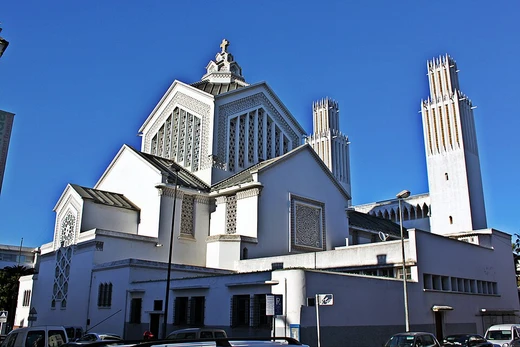
Bethel Mission, Shanghai
Independent evangelistic mission with hospital, schools, and revival bands.

via Wikipedia: Bethel Mission, Shanghai · see source
The Bethel Mission in Shanghai was an independent evangelistic institution established by Shi Meiyu (also known as Mary Stone), Phebe Stone, and Jennie V. Hughes in 1920. It would eventually include primary and secondary schools, a hospital and nursing school, an orphanage, and, through a revival led by Paget Wilkes in 1925, the Bethel Bible School.
Quick Facts
- Founded
- 1920
- Founders
- Shi Meiyu (Mary Stone)
- Phebe Stone
- Jennie V. Hughes
- Location
- Shanghai
- Key institutions
- Hospital
- nursing school
- primary and secondary schools
- orphanage
- Bethel Bible
- Notable revival leader
- Paget Wilkes (1925)
Facts from the source article.
Did You Know?
- The Bethel Bands were likely modelled after evangelistic bands used for decades in Japan.
- The Bethel Worldwide Evangelistic Band, organized in 1931, held over 1,000 meetings in a single year, preaching to over 425,000 people in 13 provinces.
History
Shi Meiyu earned a medical degree at the University of Michigan in 1896, then returned to China and worked at the Methodist Episcopal Church's Danforth Memorial Hospital from 1901. She grew dissatisfied with foreign control and the mission's liberal theology, eventually leaving to co-found the Bethel Mission in Shanghai in 1920 with her sister Phebe Stone and former American Methodist Episcopal missionary Jennie V. Hughes. Hughes led the Bible school, while the Stone sisters ran the hospital and nursing school. The mission combined nursing with preaching; as Dr. Stone stated, trained evangelistic workers were needed to follow up the seed sown. The Bible school spawned small groups called Bethel Bands, whose original members included students from prominent Shanghai families, such as Beatrice Chung, daughter of Dr. Harry Chung. From 1920 until the Japanese invasion in 1937, Mary Stone and the Bethel Bands conducted evangelistic meetings, living by faith. The student bands, likely modeled after Japanese evangelistic bands, were small teams known for musical talent, neat appearance, articulate speech, and popularity across churches of all theological orientations.
More in Indigenous Christianity
Spotted an error? Know more?
Reader corrections go straight into our review queue. Suggest an edit · How this site is sourced