Frequently Asked Questions
The most-asked questions about indian cuisine.
What exactly is Indian cuisine?
Indian cuisine is a vast culinary tradition spanning the Indian subcontinent, defined by its layered use of spices, diverse cooking techniques, and deep regional variation. It encompasses thousands of distinct dishes shaped by geography, religion, and centuries of cultural exchange rather than a single unified style.
How many regional traditions make up Indian food?
Rather than one monolithic style, Indian food is typically divided into at least four major regional traditions—North, South, East, and West—each with its own staple grains, spice profiles, and signature preparations. Within each region, dozens of further sub-traditions exist based on state, caste, and religious community.
What makes Indian spice use distinctive compared to other cuisines?
Indian cooking typically toasts whole or ground spices in hot fat before combining them, building layered flavor profiles instead of relying on a single heat note. Common staples include cumin, coriander, turmeric, cardamom, and asafoetida, often blended into custom masalas tailored to a specific dish.
Is Indian food primarily vegetarian?
While India has one of the world's largest vegetarian populations and a rich non-meat culinary tradition, meat-based dishes are equally central to many regional and religious cuisines. Dietary rules vary by community: Hindus generally avoid beef, Muslims avoid pork, and Jains exclude root vegetables, creating a complex patchwork of restrictions.
What is 'curry' and why do some people object to the term?
The word 'curry' is a broad, often reductive English label that lumps together hundreds of distinct gravies, stews, and preparations from across the subcontinent. Many Indian cooks and food writers prefer specific dish names—biryani, korma, sambar, chettinad—over the generic term.
Where should a newcomer start exploring Indian cooking?
A practical entry point is learning a simple dal (lentil stew) and a basic vegetable sabzi, then progressing to rice dishes like biryani or regional staples such as dosa and idli. Focusing on one region at a time—say Punjabi or Tamil cooking—helps build intuition for spice ratios and technique before branching out.
What role do flatbreads play in an Indian meal?
Flatbreads such as roti, chapati, naan, and paratha serve as both utensil and staple, soaking up gravies and anchoring the plate. Tandoor-baked naan and unleavened roti are the most widespread, while regional variations like missi roti or appam add their own texture and flavor.
What is Indian street food and why is it so celebrated?
Indian street food ranges from vada pav and pani puri to chole bhature and seekh kebabs, sold from carts, stalls, and small shops in every city. It is often regarded as the most authentic expression of regional flavor, with each locale developing signature snacks that differ markedly from restaurant fare.
How did trade and colonization reshape Indian food?
Centuries of maritime spice trade, Mughal court cooking, and British colonial rule introduced new ingredients and techniques while prompting local adaptation. Dishes like butter chicken, kedgeree, and the now-ubiquitous tomato (a New World import) all trace their origins to these cross-cultural encounters.
What are a few iconic dishes a first-timer should seek out?
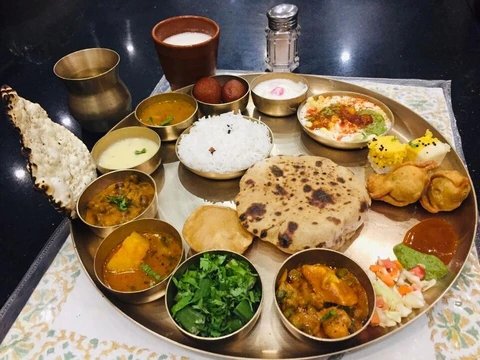
Commonly recommended first experiences include a well-layered biryani, tandoori chicken or paneer, a South Indian dosa with coconut chutney, and a simple dal-chapati plate. Trying a thali—a platter of multiple small dishes—offers a cross-section of regional flavors in a single sitting.