Frequently Asked Questions
The most-asked questions about ice hockey equipment.
What does a typical ice hockey player wear on the ice?
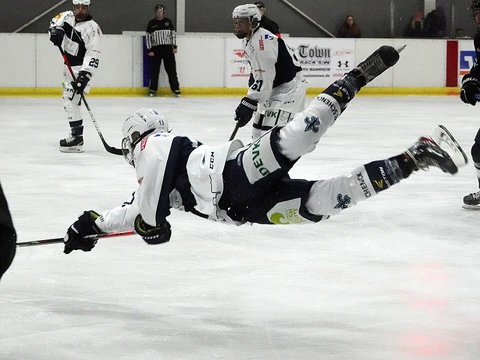
A standard skater's kit includes a helmet, shoulder pads, elbow pads, gloves, shin guards, a chest protector, padded hockey pants, and a mouthguard. Goalies add a full-face mask, oversized leg pads, a blocker, a catching glove, and a reinforced chest protector. The combination is engineered to absorb impacts while preserving the range of motion needed to skate and handle the puck.
What are the main categories of ice hockey equipment?
Gear generally falls into three groups: protective items (helmets, pads, gloves), performance tools (skates, sticks, and a goalie's specialized blocking gear), and apparel (jerseys, socks, and base layers). Each category serves a distinct purpose, from injury prevention to mobility to team identity.
How much does a full set of hockey gear cost for a beginner?
A complete entry-level set for a skater typically ranges from roughly $600 to $1,500 depending on brand and build quality, while a full goalie set can run $1,500 to $4,000 or more. Buying used gear or youth-sized models can bring the initial outlay down significantly.
What is considered the single most critical piece of protective gear?
The helmet, paired with a properly fitted chinstrap and a mouthguard, is widely regarded as the most important safety item because head and neck injuries carry the highest risk of permanent damage. Modern shells use polycarbonate or composite materials over multi-layer foam liners to manage and disperse impact forces.
What rules govern what players are allowed to wear in sanctioned games?
The NHL and most governing bodies mandate helmets with a certified chinstrap, shoulder pads, and shin guards, and they prohibit equipment with sharp protrusions or excessive bulk that could endanger opponents. Goalies must wear a mask with a cage or visor that meets specific impact-resistance standards.
Which brands are most recognized in the hockey equipment world?
Bauer and CCM dominate the stick and skate market, while Warrior, True, and the Reebok line (now under Adidas) are prominent for protective gear, and CCM and Bauer also lead in goalie equipment. Players frequently mix pieces from different manufacturers, and each brand has a loyal following.
How often should a player replace or upgrade their equipment?
Protective items like helmets and shin guards are generally recommended for replacement every three to five years or after a significant impact, while skates and sticks wear out faster based on how frequently they are used. Pads and gloves may need swapping sooner as the internal foam compresses and loses its protective value.
What makes goalie equipment fundamentally different from a skater's gear?
Goalie gear is substantially bulkier, featuring oversized leg pads, a dedicated blocker and catching glove, a full-face mask, and a reinforced chest protector built to withstand direct puck impacts. The design prioritizes full coverage and stopping power over the lightweight mobility a skater needs to accelerate and change direction.
Why do players tape their sticks and sometimes their gloves?
Taping a stick adds a textured grip, shields the blade and shaft from chipping, and lets players customize the feel and shape of the blade. Glove taping, while less universal, can fill small gaps in the padding or add a personal touch to the wrist and finger areas.
Where should a newcomer start when shopping for hockey equipment?
Visiting a local hockey shop for a professional fitting is the best first step, because proper sizing for skates, helmets, and pads dramatically affects both safety and on-ice comfort. From there, researching specific models and comparing prices online helps balance quality with budget.