Frequently Asked Questions
The most-asked questions about hungarian cuisine.
What defines Hungarian cuisine as a distinct culinary tradition?
Hungarian cooking is built around a few core elements: generous use of sweet and hot paprika, slow-cooked stews, and a strong emphasis on meat, potatoes, and fresh vegetables. It developed along the Danube over centuries, blending Central European, Ottoman, and Slavic influences into a cohesive regional style.
What is the difference between gulyás and pörkölt?
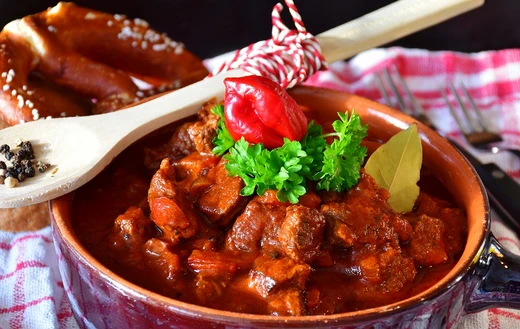
Gulyás is a thick, paprika-rich stew traditionally served with a soft bread dumpling called csusza, while pörkölt is a broader term for any paprika-based braise of meat or vegetables. In everyday Hungarian usage, pörkölt is the general category and gulyás is one specific type within it.
Why is paprika so central to Hungarian cooking?
Paprika became a staple after it was introduced to the region in the late fifteenth century and quickly replaced many spices previously imported from the East. Hungarian farmers developed dozens of cultivars over the following centuries, and the dried, ground pepper now colors, flavors, and defines nearly every signature dish.
What are the most iconic Hungarian dishes a newcomer should know?
Gulyás, paprikás csirke (paprika chicken), and töltött káposzta (stuffed cabbage rolls) are the three stews most associated with the cuisine. On the lighter side, lángos, rétes (strudel), and various cheese dumplings round out the classic list.
What role does sour cream play in Hungarian dishes?
A dollop of sour cream is the default finishing touch for most stews, soups, and even some desserts. It adds a cooling tang that balances the heat of the paprika and the richness of the cooking fat.
What is Hungarian wine and what should I look for?
Hungary's most famous wine is Tokaji, a sweet dessert wine from the Tokaj region, but the country also produces a wide range of dry whites and reds. Full-bodied reds from Eger and Villány, as well as crisp whites from Somló, are popular everyday choices.
What are typical Hungarian desserts?
Rétes (apple strudel) and túrós csusza (cheese dumplings) are the two most recognized sweet dishes. Other favorites include palacsinta (thin pancakes), bejgli (an almond-filled Christmas roll), and layered cakes with cream and jam.
What is the cultural context behind Hungarian food?
Hungarian cuisine is deeply tied to family gatherings, seasonal markets, and the tradition of vendéglátás (hospitality), where a host is expected to serve multiple courses. Many dishes originated in peasant or military kitchens and were later elevated to restaurant fare over the nineteenth and twentieth centuries.
What are the key everyday ingredients in a Hungarian kitchen?
Beyond paprika, you will find a lot of lard or butter, onions, garlic, potatoes, cabbage, and various cuts of pork, beef, and chicken. Fresh herbs like dill, parsley, and chives appear frequently, and a pot of sour cream is almost always within reach.
Where should a beginner start if they want to cook Hungarian food at home?
A simple pörkölt with onions, paprika, and a cut of beef or chicken is the most forgiving entry point. From there, trying a basic gulyás with csusza dumplings or a straightforward rétes will build confidence in the core techniques of the cuisine.