Frequently Asked Questions
The most-asked questions about hockey hall of fame defencemen.
What is the Hockey Hall of Fame and what role do defencemen play in it?
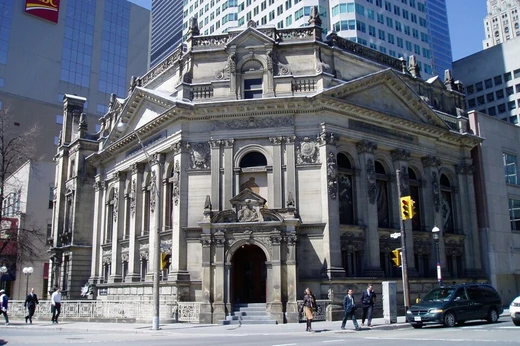
The Hockey Hall of Fame is a Toronto-based museum and institution that enshrines the greatest contributors to ice hockey history. Defencemen inducted there are recognized for their elite two-way play, leadership, and lasting influence on how the position evolved across decades.
Who is most commonly cited as the greatest defenceman in Hall of Fame history?
Bobby Orr is almost universally regarded as the single greatest defenceman ever enshrined, having revolutionized the position with his offensive flair, speed, and a legendary 1970 season. His 1979 induction remains the benchmark against which all other blueliners are measured.
Where is the Hockey Hall of Fame physically located?
It sits at 1 Dufferin Street in Toronto, Ontario, Canada, near the downtown waterfront. The facility houses permanent exhibits, player artifacts, and serves as the venue for the annual induction ceremony.
Roughly how many defencemen have earned Hall of Fame induction?
Defencemen make up a smaller share of the total inductee roster compared to forwards, with well over a hundred blue-liners enshrined since the Hall began inducting players in 1943. They span every era from the early 1900s through the modern game.
Which Hall of Fame defencemen should a new fan learn about first?
Bobby Orr, Paul Coffey, Ray Bourque, Nicklas Lidström, and Al MacInnis are five names that capture the full range of the position from offensive dynamism to defensive mastery. Starting with their careers gives a newcomer a strong framework for appreciating what makes a defenceman exceptional.
What kinds of accomplishments typically qualify a defenceman for Hall of Fame consideration?
Inductees generally need a sustained career at the NHL's highest level, multiple championships or major individual awards, and a measurable influence on how the position is played. Longevity, leadership, and statistical dominance in points alongside defensive impact all factor into the selection committee's deliberations.
What is one of the most memorable moments tied to a Hall of Fame defenceman?
Bobby Orr's 1970 Stanley Cup run, in which he recorded 27 goals and 102 points as a defenceman while leading the Boston Bruins to the championship, remains one of the most extraordinary individual performances in the sport's history. His toe-drag goal in that final is still replayed as a signature image of the position.
How does defenceman representation in the Hall compare to that of forwards?
Forwards have historically occupied the larger share of player inductees because scoring and offensive production were the primary yardsticks for decades. In recent eras, however, the gap has narrowed as the league has recognized elite two-way and shutdown defencemen with greater frequency.
Who were some of the earliest defencemen inducted into the Hall?
Players from the 1920s and 1930s, such as Cy Denneny and Bill Cook, were among the first blue-liners enshrined in the mid-1940s when the Hall began its inductee classes. Their careers predate modern statistics, so their recognition leaned heavily on championships and their influence on the game's development.
Where should a newcomer begin building a deeper understanding of Hall of Fame defencemen?
Watching highlight reels of the 'Big Three' era—Orr, Coffey, and Bourque—gives immediate context for how the position transformed in the 1970s and 1980s. From there, reading career retrospectives on Lidström, MacInnis, and Niedermayer rounds out the picture of how defensive excellence is valued across different generations.